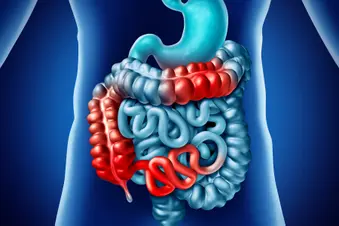
If you're one of the 1 million people in the U.S. who have Crohn's disease, you know that following the right treatment can make the difference between having debilitating symptoms and living a full life.
But what happens when a treatment that used to work no longer seems to have the same effect? This is a common problem that people with Crohn's disease may face.
The Disease Is Progressing
Crohn's disease is a chronic condition with no cure. People with the disease who follow a treatment plan often manage to control their symptoms for long periods of time or even enjoy months or years without symptoms. This is called remission and is the goal of treatment.
But your Crohn's disease can change over time, even if you follow your doctor's instructions exactly. This means a treatment that kept your symptoms under control might suddenly stop working.
After living without symptoms for weeks, months, or years, one day you may again feel discomfort and pain, similar to what you felt when your body showed the first signs of Crohn's disease, or you might have new symptoms.
These symptoms might include:
- Diarrhea
- Cramping and abdominal pain
- Fever
- Extreme fatigue or tiredness
- Blood in stool
- Weight loss
- Nausea
- Loss of appetite
- Mouth sores
- Joint pain or discomfort
- Pain or discharge near or around the anus due to an inflamed tunnel that forms under the skin called a fistula
When this happens, it's important to talk to your doctor.
“The reappearance of symptoms or the appearance of new ones can mean that the disease is active or that the treatment is no longer working,” says Artemio Santiago-Molina, MD, a gastroenterologist in San Juan, Puerto Rico.
“Catching it early makes it possible to adjust the treatment; prevent complications like fistulas, obstructions, or weight loss; and maintain the patient's quality of life.”
You might need to change or adjust your treatment. Talk to your doctor if you notice any of these changes:
- Your symptoms get worse.
- You have more frequent flare-ups.
- Your treatment doesn't control the inflammation.
- Your current treatment doesn't have the same effect as before.
- You find it hard to cope with the side effects.
- You haven't reached your treatment goals.
- Your blood tests or lab results show changes.
- Your symptoms or side effects are affecting your overall well-being or mental health.
Your Symptoms Seem to Be Getting Worse
Not everyone with Crohn's disease will have the same symptoms. Some people have abdominal pain and diarrhea. Others lose their appetite or feel nauseous. Some may even have symptoms that don't affect digestion, like fatigue, vision problems, and joint pain.
Each case is unique. That's why it's important to know your symptoms.
Doctors recommend keeping track of how you feel when you're in remission. This way, you can notice symptoms early if they return. Not having doubts about whether your symptoms have come back allows you to quickly communicate with your medical team so they can figure out if your treatment needs to be changed.
You Have More Frequent Flare-Ups
A flare-up is the return of disease symptoms and could be a sign that your treatment needs to be changed.
Tell your doctor if you're experiencing flare-ups more often. Your doctor will want to know what could be causing these flare-ups.
To find the cause, your doctor might do several tests. These will help them figure out if the flare-ups are the result of the inflammation in the digestive tract that causes Crohn's disease or if something else is causing your symptoms to come back.
Tests that can help your doctor find the cause include:
- Blood tests
- Stool tests
- Colonoscopy
- Upper endoscopy
- CT scan
- MRI
- X-rays
An infection or scar tissue could trigger a flare-up. Starting certain medications, including antibiotics, can also cause these symptoms.
Your Current Treatment Doesn't Work as Well as Before
If your doctor finds that the return of your symptoms, or the presence of new symptoms, wasn't caused by an infection or another issue, they might decide that the medication or dose you're taking is no longer the best option for you.
Sometimes just adjusting the dose of your medication can solve the problem and help you control your symptoms again. But this isn't the solution in every case: Your body might become resistant to the medication because it developed antibodies to the drug.
"Patients can develop antibodies against biologic medications because their immune system sees them as foreign," Santiago-Molina says. "This is relatively common, especially with anti-TNF drugs. The risk increases if doses are interrupted, restarted, or not combined with other immunomodulators."
Anti-TNFs are a type of biologic medication that lowers inflammation by blocking a protein in the immune system.
Immunomodulators are medications that help regulate the immune system's response. Sometimes they're used with biologics to make the treatment work better and to lower the risk of the body developing antibodies against the medication.
Studies have shown that every year some people who take immunomodulators or biologics to manage their Crohn's disease stop getting help from these medications. If this is the case for you, your doctor might tell you to stop taking your current medicine and prescribe a different one or add another medication to your treatment.
It's Hard to Cope With the Side Effects
It's common for people taking medication for Crohn's disease to have side effects. These can include headaches, nausea, and intense fatigue.
But if these side effects are so severe that they affect your daily life or emotional well-being, the medication you're taking might not be the best choice for you, and it's time to talk to your doctor.
There are many treatments for Crohn's disease. Not all medications cause the same side effects, and not everyone reacts the same way to the same medication. They key is to find the best medicine for you.
Your doctor will help you find a medication that can manage your Crohn's disease symptoms and that doesn't cause symptoms as severe as — or worse than — those of the disease itself. Remember, the goal of treatment is to achieve remission and to improve your well-being.
You're Not Reaching Your Treatment Goals
As with any medical treatment, it's important to set goals at the beginning and for you and your care team to work toward them. A common goal for people with Crohn's disease is to control their symptoms and achieve remission. Your doctor can also set other goals, such as controlling inflammation, preventing the disease from progressing to more advanced stages, and avoiding serious complications.
It's important to have an honest conversation with your doctor and set goals together for your particular case. Your medications are an important tool to achieve those goals.
Your Blood or Lab Tests Show Changes
Blood and stool tests are important tools. They can help you and your care team figure out if your Crohn's disease is really under control. These tests can measure the levels of different biomarkers in your body, which can help your doctor figure out if your Crohn's disease is active or in remission.
The biomarkers most commonly measured in patients with Crohn's disease are C-reactive protein (CRP), found in your blood, and fecal calprotectin (FC), found in your stool. The test results can show if there is inflammation in the gastrointestinal tract, even if the person has no symptoms.
This is why the American Gastroenterological Association recommends using these lab tests, along with other imaging studies and colonoscopies, not only to diagnose the condition but also to monitor it.
Your Symptoms or Side Effects Are Affecting Your Mental Health
There is a close relationship between the gut and the brain. This is why it's essential to take care of your mental health as part of your treatment for Crohn's disease.
"Stress, anxiety, or depression can alter gut function, increase inflammation, and worsen symptoms," Santiago-Molina says. "That's why managing stress, having psychological support, and maintaining good mental health habits can help reduce flare-ups, improve digestion, and enhance patients' quality of life."
If you feel bad or depressed due to your symptoms or medication side effects, talk to your care team.
Open Communication Is Essential
In all these cases, the first step is to talk to your doctor.
You should never stop taking your medication without first talking to your care team. Stopping or not following treatment instructions could have dangerous consequences for people with Crohn's disease.
If you don't control your disease and inflammation continues to affect the digestive system, it could lead to:
- Loss of appetite
- Weight loss
- Extreme tiredness or fatigue
- Delayed growth and development in children
If the disease continues to progress, in the most severe cases it can cause the following complications:
Fissure: A tear in the lining of the anus that can cause pain and bleeding, especially during bowel movements.
Fistula: An abnormal tunnel, caused by inflammation, that forms between two parts of the intestine or between the intestine and the bladder, vagina, or skin. They are more common in the anal area and require immediate medical attention.
Stenosis: A narrowing of the intestine as a result of chronic inflammation.
Focus on Your Goals
Although there is no cure for Crohn's disease, living well with the condition is possible. Remember that the key is to take care of your physical and mental health, to be honest when talking to your doctor, and to stick to your treatment plan. Following these steps will bring you closer to your goals of reducing inflammation, achieving remission, and preventing serious complications.
Show Sources
Photo Credit: iStock/Getty Images
SOURCES:
Artemio Santiago Molina, MD, gastroenterologist, San Juan, Puerto Rico.
American Gastroenterological Association: “First comprehensive guideline on using biomarkers for monitoring Crohn’s disease,” “The role of biomarkers for the management of Crohn’s disease.”
Crohn’s and Colitis Foundation: “Managing Flares and IBD Symptoms,” “Signs and Symptoms of Crohn's Disease.”
Harvard Health Publishing, Harvard Medical School: “Living with Crohn's disease: Recognizing and managing flares.”
National Institute of Diabetes and Digestive and Kidney Diseases (NIDDK): “Definition & Facts for Crohn’s Disease.”
Mayo Clinic: “Crohn’s Disease.”


