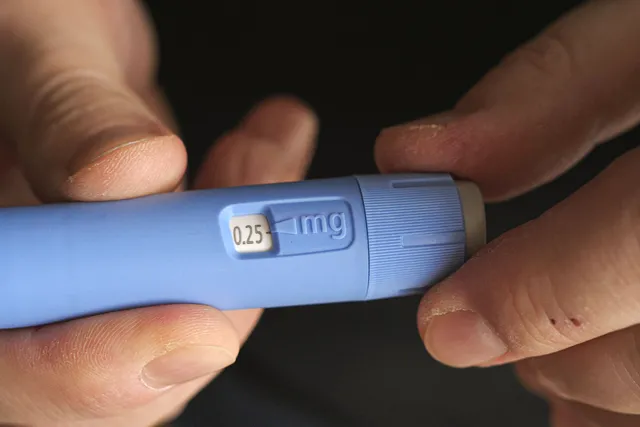
Biologic medications can help manage your Crohn's disease, but they don't work the same way for everyone. Sometimes they take a while to work. Other times, they can cause side effects or stop working. When that happens, it may be necessary to change your treatment or switch medications.
How Biologics Work and Why They Sometimes Don't Work
Biologics are made from living organisms. They are designed to target specific parts of the immune system that cause inflammation in people with Crohn's disease.
They are one of the most effective therapies to control symptoms, and they can offer better results when you start using them soon after your diagnosis.
Unlike steroid therapy, which is usually used for short periods to control flare-ups, biologics are intended for long-term use. They work as maintenance treatment to help keep the disease under control and avoid new flare-ups.
Your response to treatment can vary depending on:
- The type of biologic you use
- The stage of the disease
- Your medical history
- How your immune system reacts
How Your Doctor Chooses Your Biologic
Biologic medications can be given in two ways:
- By intravenous (IV) infusion at a medical center
- As a shot you give yourself under the skin, usually at home
Your doctor will choose the type of biologic based on different factors:
- How active or advanced your inflammation is
- If you've had previous infections or cancer
- Your age
- If you have fistulas
- If you're pregnant
- If you can give yourself the shots
- How close you are to an infusion center
In some cases, your health insurance coverage may influence the choice of treatment.
Common Side Effects and Signs You Shouldn't Ignore
Some of the most common side effects include:
- Redness, pain, or swelling where the needle went in your skin
- Tiredness
- Headache
- Flu-like symptoms
- Nausea
Signs that require medical attention:
- Persistent high fever
- Difficulty breathing
- Redness or tingling in the face
- Signs of infection
On rare occasions, biologics can increase the risk of serious infections or certain types of cancer.
When Should You Start Seeing Results?
After starting a biologic treatment, it's normal to wonder when you'll start feeling better.
The answer varies from person to person and also depends on the medication you use. In general:
- Some people notice improvement in the first few weeks.
- Others start to see changes in 8 to 12 weeks.
- It can take up to 52 weeks to see full results.
What should you do?
If you don't notice improvement at first, don't stop the treatment on your own. Keep track of your symptoms and talk to your doctor to decide if the dose needs to be adjusted or if you should wait before making changes.
Signs That Your Biologic Is Working
Your doctor will determine if the treatment is working based on how you feel and your test results.
The most common signs of improvement include:
- Less diarrhea, cramping, and bleeding in stools
- Less frequent flare-ups
- More energy and less difficulty with daily activities
- Maintaining a stable weight or gaining weight
What should you do?
If you notice these improvements, keep taking the medication as directed, even if you feel well. Do not stop the biologic treatment without talking to your doctor first.
If you remain symptom-free for a long period of time, your doctor may request tests to confirm that you're in remission.
Ways to verify that the disease is under control include:
Endoscopic remission: The intestine shows no inflammation during a colonoscopy.
Histological remission: The intestinal tissue looks healthy when analyzed in the lab.
Biochemical remission: Blood or stool tests show normal levels of inflammation.
How Can You Tell if Your Biologic Isn't Working?
In some cases, your biologic may not control the disease as expected. This can happen even if it seemed to work at first.
The most common signs include:
- Lack of improvement after a reasonable treatment time
- Return of symptoms after initial improvement
- Worsening of pain, diarrhea, or fatigue
- More frequent flare-ups
- Persistent inflammation in lab or imaging tests
What should you do?
If you notice any of these changes, tell your doctor as soon as possible. Don't assume the treatment "failed" or make changes on your own.
What Can Your Doctor Do if Your Biologic Isn't Working?
When symptoms persist or return, your doctor will first figure out if there are other possible reasons, like an infection.
If there isn't an infection or another issue, the next step might be:
- Adjusting the dose
- Changing how often you use the medication
- Recommending a different biologic
These adjustments are a normal part of managing Crohn's disease.
Is It Common to Switch Biologics?
Making changes to your biologic treatment is common, and this doesn't mean the therapy has failed:
The most frequent reasons include:
- Loss of response to the medication over time
- Development of antibodies against the medication
- Side effects that make it difficult to continue treatment
- Changes in the disease that require a different mechanism of action
Many people can better control their disease after adjusting or changing their treatment.
What Should You Do if You Need to Switch Biologics?
If your doctor recommends a change, there are steps you can take to make the transition to the new treatment easier:
- Talk to your insurance company to avoid delays.
- Learn about the new medication and how it's given.
- Schedule your infusions or request your shots in advance.
Follow-Up Tests: Why They're Important
Regular follow-up tests help determine if the biologic treatment is working and let you make changes quickly. Your doctor can use different tests:
Blood tests: Help determine if there is inflammation in your body and if the medication is working as expected.
Stool tests: Show if intestinal inflammation doesn't go away.
Imaging studies: Include MRIs and CT scans and let you see the inside of the intestine without surgery.
Colonoscopies: Help check if the intestine is healing and if there is less inflammation.
How to Track Your Progress at Home
Keeping track of your symptoms can help your doctor make better decisions. Write down:
- Frequency and consistency of bowel movements
- Abdominal pain
- Energy level
- Weight changes
- Sleep quality
- Possible triggers, like stress or certain foods
- Side effects after infusions or shots
How to Get the Most Out of Your Biologic Treatment
To make the treatment work better:
- Don't skip doses.
- Set up reminders for your infusions or shots.
- Keep up with your appointments and follow-up tests.
- Stay in regular contact with your medical team.
Habits That Can Support Your Treatment
Even if you're following a biologic treatment, you might still have symptoms. These habits can help with your symptoms:
- Try to quit smoking.
- Avoid foods that cause discomfort.
- Drink plenty of water.
- Get enough sleep.
- Manage stress with meditation, yoga, or walks.
Biologic treatment for Crohn's takes time, and you play a key role in the process. Tracking your symptoms and talking to your doctor will help you make informed decisions when there's a problem.
Remember, your goal is to keep the disease under control and avoid interruptions in treatment.
Show Sources
Photo Credit: DigitalVision/Getty Images
SOURCES:
Pharmaceuticals: “The Efficacy and Safety of Biologic Drugs in the Treatment of Moderate–Severe Crohn’s Disease: A Systematic Review.”
Gastroenterology & Hepatology: “Comparative efficacy and safety of biologic therapies for moderate-to-severe Crohn's disease: a systematic review and network meta-analysis,” “What to Do When Biologic Agents Are Not Working in Inflammatory Bowel Disease Patients.”
FDA: “Biosimilar and Interchangeable Biologics: More Treatment Choices.”
American Gastroenterological Association: “AGA recommends early use of biologics in patients with moderate-to-severe Crohn’s disease.”
National Psoriasis Association: “Biologics.”
F1000Research: “Biologic therapies for Crohn's disease: optimizing the old and maximizing the new.”
University of Chicago Medicine: “Biologics and Inflammatory Bowel Disease (IBD).”
Gastroenterology Associates of Piedmont: “IBD Biologic Infusion Therapy Explained: Advanced Care for Crohn’s and Ulcerative Colitis.”
Johns Hopkins Rheumatology: “Useful Tips for those using Injectable Biologic Medications.”
Cleveland Clinic: “Biologics (Biological Medicine).”
National Centre for Immunisation Research and Surveillance: “Injection site reactions.”
Stanford Medicine: “Nausea and Vomiting Treatments.”
Gut: “Risks and benefits of biologic therapy for inflammatory bowel diseases.”
Mount Sinai: “A Breakthrough UC Drug Is Approved Following a Rigorous Mount Sinai-Led Trial.”
Mayo Clinic: “Crohn's Disease.”
Crohn's & Colitis Foundation: “Bridging the Gap: Patient and Medical Perspectives on IBD Remission,” “Fact Sheet: Biologics,” “Diagnosing and Monitoring IB,” “IBD Symptom Tracker.”
Clinical Gastroenterology and Hepatology: “Biologic Switch Timing and Risk of Infection in Patients With Ulcerative Colitis/Crohn’s Disease: A Retrospective Study.”
Current Opinion in Pharmacology: “Switching biologics used in inflammatory bowel diseases: how to deal with in practice?”
Biotechnology Healthcare: “Patient Medication Adherence: The Forgotten Aspect of Biologics.”
Harvard Health: “Living with Crohn's disease: Recognizing and managing flares.”