Pneumococcal disease is something to take very seriously. Almost 115,000 adults in the U.S. are hospitalized every year with pneumococcal disease, including pneumonia. The bacteria can infect different parts of your body, causing mild to life-threatening illness.
Noninvasive and invasive pneumococcal disease (IPD) are groups of infections.
Invasive pneumococcal disease (IPD) can lead to life-threatening complications, including death.
Bacteremia can often spread in your body to cause other IPD conditions and complications. But knowing your risk can help you lower your chance for infection.
While anyone can get sick from pneumococcal disease, most of the serious cases are in older adults. Here’s a closer look at risk factors for pneumococcal disease and how to prevent it.
Pneumococcal Disease: Causes and Carriers
Pneumococcal disease is the name for any infection caused by bacteria called Streptococcus pneumoniae, or pneumococcus.
You can “carry” it in your nose or throat and not realize it. If you do, you’re called a “carrier.” About 10 adults and 60 school aged kids out of 100 are carriers.
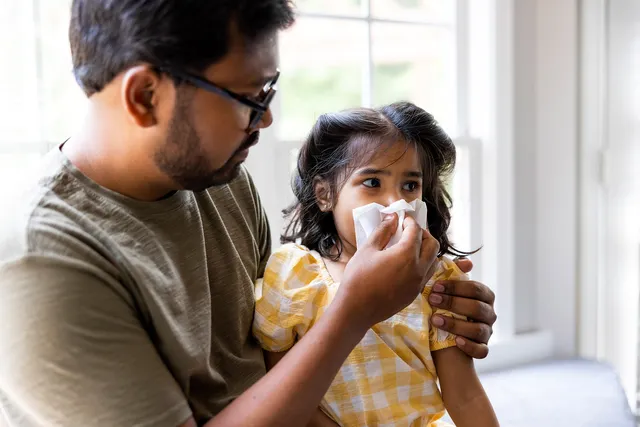
Most carriers don’t have symptoms of pneumococcal disease, but they can still pass it to others through saliva or mucus. So if your grandchild accidentally spits or sneezes on you and carries pneumococcal bacteria in their nose or throat, you could get sick.
What Is Bacterial Pneumonia?
Pneumonia can be caused by viruses, bacteria, or fungi that infect one or both lungs. The air sacs in your lungs can become inflamed and fill up with fluid.
The fluid makes it harder to get oxygen into your blood when you breathe. And you may get symptoms like:
- Cough
- Fever
- Chills
- Trouble breathing and chest pain
You often develop bacterial pneumonia after you’ve had another virus, like the common cold, the flu, COVID-19, or RSV. The most common type of bacterial pneumonia is pneumococcal pneumonia.
Other, less common causes of bacterial pneumonia include:
- Haemophilus influenzae
- Pertussis, the bacteria that causes whooping cough
- Psittacosis, a bacteria that infects birds and poultry
- Mycoplasma pneumoniae, a bacteria that often infects children and teens
- Chlamydia pneumoniae
- Legionelle pneumophila
Risk Factors for Pneumococcal Disease
Anyone can get pneumococcal disease, but some people have a higher risk of developing symptoms and serious complications.
What Are the Signs of Pneumococcal Disease?
Some people have pneumococcal disease but don’t have any symptoms. If you do get them, symptoms usually appear after one to three days. It takes that long for the bacteria to spread inside your body and cause signs.
Your symptoms depend on what part of the body is infected.
Pneumococcal disease can cause symptoms similar to the common cold, impacting your upper respiratory tract.
People with risk factors for invasive pneumococcal disease may experience more serious symptoms that can appear quickly and be life threatening.
Pneumococcal pneumonia causes about 1 death out of 100 for adults who get it.
The pneumococcal bacteria infects the lining of your brain and spinal cord with meningitis.
Bacteremia blood infection can develop from a pneumococcus infection. If untreated, it can lead to sepsis, a serious and life-threatening condition.
What to Do If You Develop Signs of Pneumococcal Disease
One of the most common complications of pneumococcal disease is pneumonia. About 400,000 people with pneumococcal pneumonia get hospitalized. And about 20,000 will die from pneumonia each year.
Another common concern is sepsis complications. Sepsis happens when your body goes into overdrive to fight an infection. It can happen to anyone, but people over the age of 65 with pneumococcal pneumonia or bacteremia have a higher risk.
Call your doctor or get medical care right away if you get:
- Fever
- Chest pain
- A blood-tinged cough
- Trouble breathing
How to Prevent Pneumococcal Disease
The best way to prevent pneumococcal disease is immunization. It teaches your body how to fight pneumococcal bacteria. And your immune system can kill the bacteria and stop you from getting sick.
There are two types of vaccines available to prevent pneumococcal disease:
- Pneumococcal conjugate vaccine (PCV15, PCV20, or PCV21)
- Pneumococcal polysaccharide vaccine (PPSV23)
Each vaccine covers slightly different strains of pneumococcus — that’s what the number means. So PCV15 can protect you from 15 different types of pneumococcal bacteria.
Children and vaccine recommendations
Vaccination against pneumococcal disease can keep your child healthy and those they love. That’s because they’re less likely to carry and spread pneumococcal bacteria to others.
Certain children have a higher risk of developing problems from pneumococcal disease. But vaccination can help prevent pneumococcal disease complications, such as:
- Moderate or serious asthma
- Chronic liver disease
- Chronic kidney disease
- Immunocompromised
Vaccines for adults
If you got a pneumococcal vaccine as a child, you don’t need a pneumococcal vaccine if:
- Your immune system isn’t weakened.
- You don’t have other health issues.
- You’re an adult under the age of 50.
- You don’t smoke.
If you’re 50 or older or have risk factors that put you at a higher chance for pneumococcal disease, talk to your health care provider about the best pneumococcal vaccine for your health.
How Effective Are Pneumococcal Vaccines?
Pneumococcal vaccines are very effective. The pneumococcal vaccine may lower the risk of pneumococcal complications by 60% to 80% in people 65 and older and others who are at high risk for the disease.
A recent review of 35 studies found that pneumococcal vaccines greatly lowered the number of hospitalizations caused by pneumonia, especially in people 75 and older or with chronic conditions.
The vaccine also lowered pneumonia deaths among people aged 60 and older.
Other Ways to Stay Healthy
You can also lower your risk of illness from any virus or bacteria, including pneumococcal disease. Here are some tips to stay healthy.
Don’t smoke. It can damage your bronchi — the large tubes that carry air from your windpipe to your lungs — as well as your lungs. Try to avoid secondhand smoke, too.
Wash your hands often with soap and water, or use an alcohol-based hand sanitizer.
Teach your children to cover their mouths and noses when they cough or sneeze. This way, it keeps their saliva and snot away from you.
Choose a healthy lifestyle. Eat a nutritious diet full of fruits and veggies, and stay active.
Keep chronic illness under control. Other conditions can dampen your immune system, like type 2 diabetes. It’s important to take any medications that are prescribed to treat these conditions.
Stay up-to-date on vaccines. These include an annual updated COVID-19 shot, a yearly flu shot, and, if you’re 75 or older, the RSV vaccine.
You can make choices to keep your immune system and body healthy. This can help you fight infection and prevent pneumococcal disease. And staying up-to-date with your vaccination can give you the best chance to prevent pneumococcal disease.
Show Sources
Photo Credit: Stone/Getty Images
SOURCES:
JAMA Network: “All-Cause and Pneumococcal Community-Acquired Pneumonia Hospitalizations Among Adults in Tennessee and Georgia.”
CDC: “Clinical Overview of Pneumococcal Disease,” “Pneumococcal Disease: Causes and How It Spreads,” Clinical Overview of Pneumococcal Disease,” “Pneumococcal Disease Symptoms and Complications.”
American Lung Association: “What Is Pneumonia & Who Is at Risk?" "What Causes Pneumonia?” “65 Or Older? It’s Time to Assess the Risk of Pneumococcal Pneumonia,” “Pneumococcal Pneumonia.”
American Academy of Pediatrics: “Pneumococcal Vaccines.”
UpToDate: “Pneumococcal vaccination in adults,” “Patient education: Pneumonia prevention in adults (Beyond the Basics).”
Infectious Disease Advisor: “Pneumococcal Disease Rates Higher During Long-Term Care Facility Residence.”
American Thoracic Society: “American Thoracic Society | Pneumococcal Vaccines.”
Annals of Internal Medicine: “The U.S. Founding Fathers Recognized the Benefits of Immunization—We Need That Same Recognition Today.”
National Foundation for Infectious Diseases: “Pneumococcal Disease.”