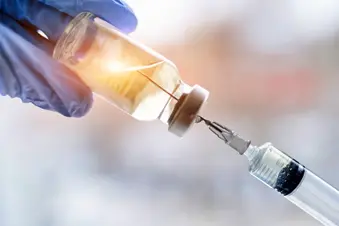
When you think about vaccines, you probably think of the COVID and flu shots. But there’s one important shot to help you fight respiratory disease, including pneumonia. It’s called the pneumococcal vaccine.
Pneumococcal vaccines protect against pneumococcal disease, a potentially serious bacterial infection caused by Streptococcus pneumoniae or pneumococcus. The vaccine is now recommended for more people than ever.
Since 2024, the CDC recommends this shot for anyone 50 or older. That's because older people are one group that has a higher risk of developing other medical conditions after pneumococcal disease.
But you can protect yourself and prevent these problems with the pneumococcal vaccination, says William Schaffner, MD, a professor of medicine in the Division of Infectious Disease at Vanderbilt University School of Medicine in Nashville, Tennessee.
While anyone can get it, you have a higher risk if you are younger, older, or have an underlying health condition. “The best way to protect yourself is to get the pneumococcal vaccine if current guidelines say you need it,” says Schaffner.
Here’s a closer look at pneumococcal vaccines and the different types. Learn about vaccine benefits, who should get it, and when. Plus find out where you can get it and what you can expect after you get vaccinated.
What Is Pneumococcal Disease?
Pneumococcus bacteria love to hang out in your respiratory tract. In fact, pneumococcus can live quite comfortably in your nose and throat without any symptoms.
Research suggests that up to 10% of adults and 60 % of school-aged children are carriers. They carry the bacteria in their mucus and saliva.
Even without symptoms, carriers can pass the bacteria to others when they sneeze or cough. And this can put older adults and those with underlying medical conditions at risk.
You could get a range of pneumococcal conditions. Mild infections include ear or sinus infections, but invasive pneumococcal disease (IPD) can lead to potentially deadly complications like pneumonia.
While anyone can develop complications, you have a higher risk if you’re over 65 or have a chronic heart or kidney condition.
Pneumococcal disease complications
Pneumococcal pneumonia kills about 1 out of out of 20 people who get it. About 8% of children and 22% of adults diagnosed with pneumococcal meningitis die from it.
Pneumococcal bacteremia, or an infection of the bloodstream, kills almost 1 person out of 5 with the infection.
“That’s why we so strongly recommend vaccination for these groups, to help keep them protected,” says Schaffner.
Types of Pneumococcal Vaccines
In the United States, two types of vaccines help prevent pneumococcal disease. Each vaccine helps protect you against specific strains (types) of pneumococcal bacteria.
Pneumococcal conjugate vaccines (PCVs)
Some adults who are 19 to 49 years old who didn’t get a PCV vaccine or have a higher risk may also get one of these vaccines, or get an extra dose. You’ll talk with your doctor to decide what’s best for your health.
Pneumococcal polysaccharide vaccine (PPSV)
The number at the end of the vaccine tells you how many strains it protects against. So PPSV23 can protect against 23 strains.
Vaccines for Older People
The pneumococcal vaccine can help prevent infection in all adults 50 and older. If you’ve never had it before, you’ll get PCV21. This vaccine was made with adults in mind — to protect you from strains that are more likely to infect adults.
If PCV21 isn’t available, then you can get PCV20, or PCV15 followed by PPSV23 a year later.
If you’re over 65 years old, you may have already gotten a pneumococcal vaccine. Talk to your doctor about whether you need another one.
Typically, if you haven't had the newest version of PCV21, experts recommend to:
- Cover all your bases.
- Get the PCV21 vaccine about five years after your last dose.
- Ensure you have full protection against pneumococcal disease.
If you’re younger than 50 and have an underlying medical condition, you can also get PCV21.
Vaccines for Children
The CDC recommends the pneumococcal vaccine for all kids under the age of 5. They’ll get four doses of either PCV15 or PCV20 at the following ages:
- 2 months
- 4 months
- 6 months
- 12 through 15 months
Children usually finish the series by the time they reach 2 years old. If your child missed a shot, talk to your pediatrician about a catch-up dose.
Kids under the age of 18 may need an extra PCV20 dose if they never had one and have high-risk conditions such as:
- Moderate to serious asthma
- Chronic liver disease
- Kidney disease
- Immunodificiency
To prevent pneumococcal disease, make sure your child gets all four doses. Kids younger than 2 have a higher risk for serious pneumococcal infection.
Babies also have a higher risk for complications such as pneumonia or meningitis. But the vaccine can prevent hospitalization, life-threatening disease, and death.
Can you get the pneumococcal vaccine with other vaccines?
It’s safe to get the pneumococcal vaccine with other shots, like the flu shot, an updated COVID-19 shot, or even the shingles vaccine.
“Since viruses like the flu and COVID-19 also increase the risk of getting pneumococcal disease, they are also important for prevention,” says Schaffner.
You can even get your flu and pneumococcal vaccines at the same time. Studies show that taking both vaccines together is safe.
Benefits of Pneumococcal Vaccine
The pneumococcal vaccine protects against strains of a bacteria called Streptococcus pneumoniae, or pneumococcus.
Side Effects for Pneumococcal Vaccination
Most people who get a pneumococcal vaccine have only mild side effects. And many go away after about two days. Side effects can include:
- Redness, swelling, pain, or tenderness where the needle went in your skin
- Fever or chills
- Appetite loss
- Feeling tired
- Headache
- Muscle aches or joint pain
- Fussiness in babies or toddlers
Very rarely, someone may be allergic to an ingredient in the pneumococcal vaccine. If you’ve ever shown signs of a serious allergic reaction like:
- Hives
- Swelling
- Trouble breathing
- Rash
You may not be able to get the vaccine again. Talk to your doctor about your options.
Where to Get Pneumococcal Vaccination
You can usually get a pneumococcal vaccine at your health care provider’s office. If your doctor doesn’t offer the shot, you can ask what they suggest.
You can also try to get a pneumococcal vaccine at:
- A pharmacy
- Your local health department
- A health center (check out the U.S. Department of Health and Human Services website)
If you have Medicare, the shots are covered under Medicare Part B. That means you don’t have to pay out-of-pocket costs.
Most private health plans, including Marketplace plans, also cover all immunizations recommended by the CDC at no cost. This includes the pneumococcal vaccine.
Show Sources
Photo Credit: Moment/Getty Images
SOURCES:
William Schaffner, MD, professor of preventive medicine and medicine, Department of Health Policy, Division of Infectious Disease, Vanderbilt University School of Medicine, Nashville, Tennessee; spokesperson, National Foundation for Infectious Disease.
CDC: “CDC Recommends Lowering the Age for Pneumococcal Vaccination from 65 to 50 Years Old,” “Types of Pneumococcal Vaccines,” “Summary of Risk-based Pneumococcal Vaccination Recommendations,” “About Pneumococcal Vaccines: For Providers.”
National Foundation for Infectious Diseases: “Top 5 Reasons for Adults to Get Vaccinated for Pneumococcal Disease,” “Pneumococcal Disease.”
American Thoracic Society: “Pneumococcal Vaccines.”
UpToDate: “Pneumococcal vaccination in adults.”
American Academy of Pediatrics: “Pneumococcal Vaccines.”
Nemours Kids Health: “Your Child's Vaccines: Pneumococcal Vaccines (PCV, PPSV).”
American Lung Association: “Pneumococcal Pneumonia.”
Journal of Clinical Medicine: “Effect of Pneumococcal Vaccine on Mortality and Cardiovascular Outcomes: A Systematic Review and Meta-Analysis.”
Experimental Gerontology: “Associations of infections and vaccines with Alzheimer's disease point to a role of compromised immunity rather than specific pathogen in AD.”
Nature Microbiology: “Direct interaction of whole-inactivated influenza A and pneumococcal vaccines enhances influenza-specific immunity.”


