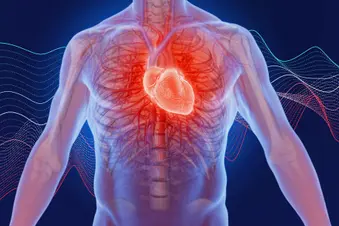
Hypertension, or high blood pressure, can cause serious damage to your body before you have any obvious symptoms. That’s why it’s important to get it under control, even if you feel fine.
You can have uncontrolled hypertension for many reasons, such as having underlying health conditions that aren’t diagnosed or aren’t well managed, or taking certain medications or supplements. It could be that you and your doctor haven’t yet found the right treatment for you, or that you aren’t following your treatment plan correctly. Some of the time, the cause isn’t known.
Over time, high blood pressure damages the walls of the arteries all over your body, which can cause many different complications.
Heart Failure
Hypertension can also damage your heart by forcing it to pump harder than it should for long periods, eventually weakening it.
Having stiffer, narrower arteries or high blood pressure means your heart has to work harder to get blood pumped throughout your body. That changes the structure of your heart. The heart muscles may become thicker, and the lower left heart chamber (left ventricle) becomes larger and weaker over time, or both.
Eventually, your heart doesn’t pump well enough, leading to heart failure.
Other possible heart-related complications from uncontrolled high blood pressure include chest pain and an irregular heartbeat.
Aneurysm
An aneurysm is a bulge – sort of like a balloon – in the wall of an artery. These can develop because of inflammation and damage in arteries from high blood pressure.
You can have one anywhere in your body, but they’re especially dangerous if they’re in a blood vessel inside your brain, or in your aorta – your body’s main blood supply that runs from your heart to your pelvis.
If an aneurysm bursts, it can cause uncontrolled bleeding in your brain, chest, or abdomen that can be deadly.
Stroke
High blood pressure is one of the main causes of strokes. This can happen in one of two ways. A plaque or blood clot caused by damage in an artery that supplies blood to your brain can block that blood flow. Or a damaged blood vessel can burst, causing uncontrolled bleeding. In either case, your brain can’t get enough oxygen and brain cells start to die.
Kidney Disease
High blood pressure and kidney disease are closely connected. Hypertension is one of the main causes of chronic kidney disease, which can lead to kidney failure. And kidney disease is responsible for producing hormones that result in uncontrolled hypertension.
Your kidneys filter waste out of your blood and remove extra fluid and sodium from your body through your pee. When the arteries that supply blood to your kidneys become damaged, your kidneys don’t work as well. They don't sense adequate blood flow and that causes sodium and water to be retained , which then makes your blood pressure even higher. This is triggered by various hormones like aldosterone.
Vision Loss
Uncontrolled hypertension can damage the arteries that supply blood to your retinas and also the optic nerves that send signals from your eyes to your brain. Either can cause blurred vision or vision loss.
High blood pressure can also cause fluid buildup under your retina, which can distort your vision. And it can increase your risk for glaucoma and age-related macular degeneration.
Sexual Dysfunction
Both men and women can have sexual problems related to uncontrolled hypertension. Blood flow is a key component of your sexual response. When it’s restricted because of narrowed arteries, that can lead to erectile dysfunction and vaginal dryness.
Thinking Problems
Blood vessel damage from high blood pressure can reduce the blood supply to parts of your brain. While short of a stroke, that can still kill brain cells and create what are called white matter lesions. Depending on where these lesions are located, they can cause problems with thinking and focusing.
Doctors think high blood pressure also contributes to the development of Alzheimer's disease, although they haven’t figured out exactly why.
Can You Prevent Complications From Uncontrolled Hypertension?
While uncontrolled hypertension can cause very serious health problems, that isn’t inevitable. With the right treatment, you may be able to reduce your risks of these complications
For example, one study found that getting blood pressure into the normal range lowered stroke risk by 41% for some people. Some conditions, like chronic kidney disease, can’t be reversed, but you may be able to keep them from getting worse.
Here are some steps to take:
Track your blood pressure. The only way to know whether your treatment is working is to check your blood pressure regularly. It’s standard during office visits, but you should do it in between checkups also.
Ask your doctor to recommend a blood pressure monitoring machine you can use at home, and to tell you how often to test. Take the machine with you to an appointment so you can be sure you’re using it correctly and that the reading matches what the doctor’s equipment shows.
You can also find blood pressure kiosks in most pharmacies. Ask a worker to show you how to use it. It doesn’t help to take readings if they aren’t accurate.
Write down your results and take them to your next doctor’s visit. If you test higher than 180/120 twice within a few minutes, call your doctor right away.
Stick to your treatment plan. Sometimes, the key to getting hypertension under control is just being sure you understand and follow your doctor’s instructions. That includes medications, but also their lifestyle recommendations, like following a low-salt diet and getting aerobic exercise. If that still doesn’t get your numbers down, have a conversation about changing your medication, trying newer treatments, or adding an additional one.
Watch for symptoms. By itself, high blood pressure doesn't cause symptoms. If you start to have them, that can mean you’re developing another health condition. Ask your doctor what to watch for, such as:
- Sudden pain in your chest, arms, back, neck, jaw, or stomach
- Shortness of breath
- Lightheadedness or dizziness
- Sudden headache
- Vision changes, either sudden or gradual
- Extreme tiredness
- Swelling in your legs and feet
- Sudden muscle weakness on one side or trouble speaking
- Confusion or trouble thinking, either sudden or gradual
Correct what you can. Because many things can contribute to uncontrolled high blood pressure, you and your doctor need to look at your whole health picture, including your personal habits and any other health conditions you have or medicines you take. You may be able to make changes to head off complications, like losing weight or using a CPAP to treat sleep apnea.
Questions for Your Doctor
Getting your high blood pressure under control will take a joint effort between you and your health care team. Here are some things to ask at your next appointment to avoid these complications:
- What might be causing my uncontrolled hypertension?
- How often should I be checking my blood pressure at home?
- Is there a different medication I should try?
- Are there newer treatments I should try?
- What symptoms should I watch for?
- Is there anything else I can do to help manage my blood pressure?
Show Sources
Photo Credit: iStock/Getty Images
SOURCES:
Johns Hopkins Medicine: “Resistant Hypertension.”
Mayo Clinic: “High Blood Pressure (Hypertension),” “High Blood Pressure Dangers: Hypertension's Effects on Your Body,” “Heart Failure.”
Cleveland Clinic: “Resistant Hypertension,” “Can High Blood Pressure Cause a Heart Attack? Here’s What You Need To Know.”
American Heart Association: “High Blood Pressure That's Hard to Treat,” “Health Threats from High Blood Pressure,” “ How High Blood Pressure Can Lead to a Heart Attack,” “How High Blood Pressure Can Lead to Heart Failure,” “What is Heart Failure?” “Atherosclerosis and Stroke,” “How High Blood Pressure Can Lead to Vision Loss,” “How High Blood Pressure Can Affect Your Sex Life,” “Home Blood Pressure Monitoring.”
StatPearls: “Hypertensive Heart Disease,” “Essential Hypertension.”
Frontiers in Cardiovascular Medicine: “Hypertensive Heart Disease: Risk Factors, Complications and Mechanisms.”
Grady Health System: “What Causes Aneurysms?”
CDC: “Risk Factors for Stroke.”
National Institute of Diabetes and Digestive and Kidney Diseases: “High Blood Pressure & Kidney Disease.”
Hypertension: “Hypertension, Neurodegeneration, and Cognitive Decline.”
Cureus: “Hypertension and Risk of Stroke: A Systematic Review and Meta-Analysis.”
American Kidney Fund: “High Blood Pressure and Kidney Health.”
American Stroke Association: “Stroke Symptoms.”


