Lifestyle Changes You Need to Make to Help Uncontrolled Hypertension
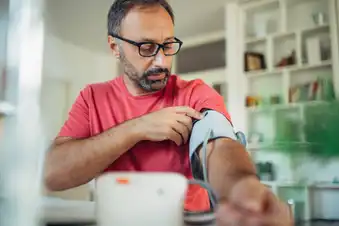
Lifestyle Makes a Difference
Battling high blood pressure can be tricky and take time, especially when your medications don’t seem to be enough to bring down your numbers. You can often help them work better by making lifestyle changes. Here are 12 that can have the most impact on uncontrolled high blood pressure. Tackle one at a time, and know that the benefits of each will build on the others.
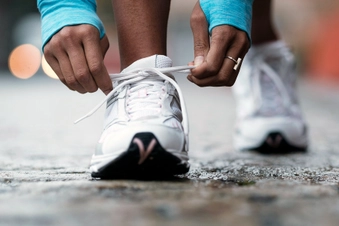
Move More
Regular aerobic exercise is one of the top ways to rein in uncontrolled high blood pressure. Find activities you like so you’ll stick with them. Aim for 150 minutes per week of moderate-intensity aerobic activity or 75 minutes per week of vigorous aerobic activity. Resistance training also matters, so try free weights, machines, or your own bodyweight for exercises like the plank and pushups. In general, sit less: The more you move, the better.
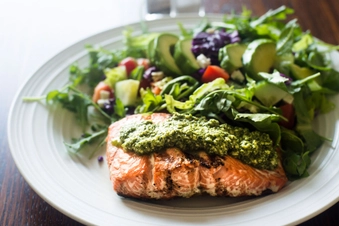
Use Food to Your Advantage
What you eat can affect your blood pressure. Focus on vegetables, fruits, whole grains, legumes, nuts, fish, skinless poultry, and heart-healthy fats like olive oil. Skip red meat as well as high-sugar and high-sodium foods. If you’re looking for a diet plan to follow, try the Mediterranean diet or the DASH eating plan — Dietary Approaches to Stop Hypertension — which includes these guidelines.

Find More Ways to Cut Salt
Limit sodium intake to 2,000 milligrams a day. That includes added salt and salt already in food. That means about a teaspoon of salt a day.
Processed foods are the biggest offenders, and since salt is one of the biggest factors for developing high blood pressure, try to avoid them. Read the nutrition labels on all packaged foods to know the sodium content and choose “low sodium” or “sodium-free” when you can. Low sodium means 140 milligrams or less per serving; sodium-free means less than 5 milligrams per serving.
The American Heart Association (AHA) Heart-Check mark on food labels helps identify healthy foods. At home, reach for herbs and spices instead of the salt shaker. At restaurants, ask that your order be made with as little salt as possible.
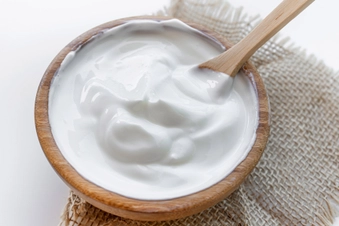
Get Needed Potassium
Potassium can counter the effects of sodium, and eating potassium-rich foods while reducing sodium intake can help manage high blood pressure. The AHA recommends 3,500-5,000 milligrams of potassium daily, and as much of that as possible through diet. Potassium-rich choices include fat-free milk, yogurt, and kefir; clams, rainbow trout, and skipjack tuna; cooked leafy greens; baked sweet and white potatoes (skins on); acorn squash, lentils, and beans; dried apricots, bananas, jackfruit, guava, and melons. Review your potassium levels with your doctor to see if you need a supplement.
Choose Drinks Wisely
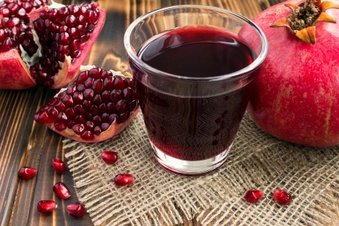
Alcohol is linked to higher blood pressure. It’s best to avoid alcohol to achieve the best health outcome. What’s safe? Coffee can temporarily spike blood pressure if you only have it occasionally. But regular drinkers may not need to limit coffee intake (again, ask your doctor). Healthy drinks include pomegranate and orange juices, milk, and water. Stay hydrated, since dehydration can raise blood pressure.
Stop Smoking
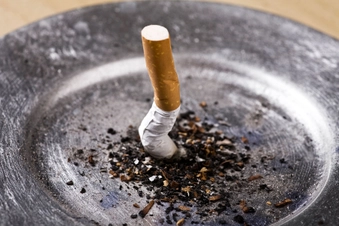
Smoking increases your risk for plaque buildup in your arteries and cardiovascular disease, and having high blood pressure speeds up the process. Quitting can lower your heart rate and your blood pressure. In contrast, smoking raises both. Avoid all types of tobacco products along with secondhand smoke to reduce your risk not only of stroke but also heart attack. Ask your doctor about ways to quit.
Improve Sleep Quality
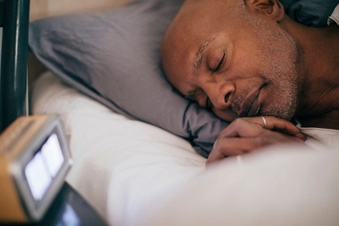
Getting fewer than seven hours of sleep every night doesn’t just make you grumpy. Long-term, it’s been linked to high blood pressure. To boost quality sleep, you can:
- Keep the same wake times and bedtimes, even on weekends.
- Keep your bedroom cool and dark — no gadgets.
- Avoid eating and drinking close to bedtime.
Get treatment if you have a condition that affects sleep, like insomnia, sleep apnea, or restless legs syndrome.

Gain Control Over Stress
There’s a link between stress and blood pressure. Though the dynamics aren’t well understood, we know that managing stress helps with managing blood pressure and is good for your overall health. Exercise is a known stress reliever, as are deep breathing, yoga, and meditating. You can also counter stressful situations by spending time on hobbies you enjoy.
Lose Weight if Needed
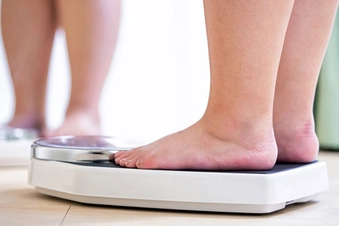
If you’re overweight, losing just 10 pounds and keeping it off can help improve uncontrolled hypertension. That’s because extra weight stresses your heart. Excess weight itself can even lead to high blood pressure. If the combination of exercise and following a healthy eating plan like the DASH diet aren’t enough, ask your doctor for help.
Stick to Your Medication Plan
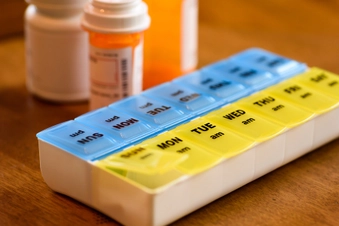
Half of all people have a hard time remembering to take their meds daily, and that can keep the drugs from working well. If you’re missing doses, set reminders on your smartphone. If side effects or other concerns keep you from staying on track, have a heart-to-heart with your doctor. Ask them to explain why medications are important for you. And it’s OK to ask for help taking them exactly as prescribed. Remember, high blood pressure is a silent disease — feeling fine doesn’t mean it’s gone, so you need to take your medications every day.

Make It a Family Effort
It can be hard to manage uncontrolled hypertension on your own, especially if family members are indulging in all the foods you’re trying to avoid and are spending hours on the couch. Talk to them about getting on board with your lifestyle changes. Let them know they can support your efforts by following a healthy diet, food-shopping wisely, exercising with you, and quitting smoking if they smoke. These steps will benefit them, too.

Pat Yourself on the Back
Celebrate every step you take to manage uncontrolled blood pressure — every low-sodium snack or meal, walk around the block, and mindfulness session that leads to better health. This recognition keeps you motivated and on track. Also monitor your progress on specific goals like even small drops in your blood pressure numbers, each pound lost, and every workout completed. Share your successes with your family and friends to show them that their support leads to positive results.


