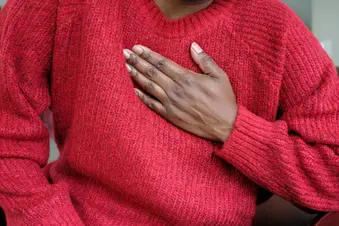
Uncontrolled hypertension can lead to heart attack, stroke, and other serious cardiovascular problems. But even with treatment, blood pressure can remain high without you knowing it. That’s because unless you’re in a hypertensive crisis, there are usually no symptoms of uncontrolled high blood pressure.
High blood pressure develops gradually, and your brain and arteries are able to adapt to the changes in pressure within the arteries. For those reasons, you’re not likely to notice any symptoms of uncontrolled hypertension until complications develop in your blood vessels or organs.
“Hypertension has long been called a silent killer,” says Sandeep Kishore, MD, PhD, an associate professor at the University of California San Francisco School of Medicine. “For many people, by the time you feel it, organ damage has often already begun.”
Monitoring Uncontrolled High Blood Pressure
Regular blood pressure monitoring is the only reliable way to know if you have hypertension. Talk with your health care provider about how often you should check your blood pressure and what you should do if you start to notice changes in the readings. A drop in your blood pressure readings may indicate that your treatment is working. If there is no change in your pressures or the readings start to rise, you should tell your doctor and discuss changes in your treatment plan.
Your doctor may suggest you continue to keep a record of your home blood pressure readings, as well as any symptoms or health changes you notice in between appointments.
Possible Early Symptoms
Though most people with high blood pressure don’t have any symptoms, there can be subtle signs that you may have uncontrolled hypertension. Some possible hypertension symptoms include:
- Morning headaches
- Dizziness or lightheadedness
- Blurred vision or eye strain
- Pounding sensation in the ears or chest
- Tinnitus
- Shortness of breath
- Nosebleeds
- Fatigue
- Irregular heartbeat
These symptoms may also be associated with other conditions, but they are worth noting and discussing with your doctor. If these symptoms are severe, they can indicate that your blood pressure has climbed to dangerous levels and that you are in an emergency hypertensive crisis.
“Some patients do report mild headaches before a crisis, which is precisely why home monitoring matters so much,” Kishore says. He adds that the combination of symptoms and a spiking blood pressure reading can indicate a crisis, so it’s important to track changes in your blood pressure readings. If you know what your “normal” readings are, but you suddenly get a much higher reading, it’s possible a hypertensive emergency is developing.
Hypertensive Crisis
While any sudden and severe spike in your blood pressure is concerning, a hypertensive crisis or emergency is considered a blood pressure reading of 180/120 mm Hg or higher. If your blood pressure reaches this level, and especially if you have sudden-onset symptoms, call 911 immediately. Potentially life-threatening damage to your heart, brain, and kidneys could happen.
“Severe headache, difficulty breathing, or chest pain are all red flag symptoms for high blood pressure patients,” says Rajesh Gupta, MD, an interventional cardiologist and an associate professor of cardiovascular medicine at the University of Toledo College of Medicine and Life Sciences. “Numbness or difficulty moving your arms or legs or difficulty speaking or facial droop are signs of stroke and require calling 911. Anyone with these symptoms should go to the emergency department.”
Even for people without any symptoms, a blood pressure reading higher than 180/120 typically requires referral to the emergency department, Gupta adds.
Kishore also says that someone having a hemorrhagic stroke may have confusion and slurred speech while also experiencing muscle weakness. A hemorrhagic stroke is when an artery in the brain bursts and causes a potentially fatal brain bleed. It’s different from an ischemic stroke, which happens when there is a clot in an artery supplying blood to the brain.
Other Impacts of Uncontrolled Hypertension
While a stroke can certainly be a severe result of uncontrolled high blood pressure, there are other complications associated with chronic high blood pressure.
Among them are an enlarged heart and heart failure. With an enlarged heart, your heart must work harder to pump enough blood to meet the body’s demands. Heart failure means your heart has become too weak to consistently supply enough oxygenated blood to the body’s organs, muscles, and other tissue.
A change in memory and thinking skills also can develop as a result of uncontrolled hypertension. Kidney and vision problems may also occur. Uncontrolled high blood pressure can also contribute to erectile dysfunction.
Medication Side Effects
While you may not experience any uncontrolled hypertension symptoms, you notice side effects from the drugs you’re taking to bring down your blood pressure. Antihypertensive medication side effects vary from one drug to another, but there is one complication in particular that can cause serious problems.
Antihypertensive medications can sometimes lower blood pressure too much. The main symptom is called orthostatic hypotension, and it happens when you have a sudden drop in blood pressure when you get up from sitting. This can cause dizziness, lightheadedness, and even fainting, which can lead to falls with injuries.
Other common side effects of antihypertensives include:
- Fatigue
- Headache
- Change in heart rate (faster or slower than normal)
- Dry mouth
- Lower leg swelling
If you have side effects, notify your health care provider as soon as possible. Don’t stop taking your medications without first discussing it with your doctor.
Put Yourself on a Better Path
To help avoid any uncontrolled hypertension symptoms or complications, work with your health care provider to manage your blood pressure. Gupta says it’s important to follow your doctor’s advice about medications, knowing that you may need to take more than one drug to get your blood pressure under control or newer medications that target hormones that are important in regulating blood pressure. He also stresses the importance of following a heart-healthy diet, exercising all or most days of the week, and adopting lifestyle behaviors, such as moderate (if any) alcohol drinking, no smoking, and getting enough sleep.
He also emphasizes the importance of getting a reliable home blood pressure monitor and using it as your doctor advises. “Medication treatment of high blood pressure is very safe and effective and is proven to reduce the risk of heart attack, heart failure, stroke, and dementia,” he says. “It is important to be an active participant and work with your physician, monitor blood pressure at home with an automated upper arm blood pressure cuff, and bring blood pressure readings into your appointments for review.”
Show Sources
Photo Credit: Moment/Getty Images
SOURCES:
Cleveland Clinic: “Resistant Hypertension,” “Blood Pressure Medication,” “Beta Blockers,” “Hypertensive Crisis.”
Mayo Clinic: “High blood pressure (Hypertension),” “Get the most out of home blood pressure monitoring,” “High blood pressure dangers: Hypertension's effects on your body.”
Sandeep Kishore, MD, PhD; cardiologist; associate professor, cardiovascular medicine, University of Toledo College of Medicine and Life Sciences.
Hartford Hospital: “Why high blood pressure has no symptoms.”
American Heart Association: “What are the Signs and Symptoms of High Blood Pressure?”
National Council on Aging: “9 Surprisingly Subtle Symptoms of High Blood Pressure.”
Rajesh Gupta, MD, PhD; associate professor, University of California San Francisco School of Medicine.
Johns Hopkins Medicine: “Types of Stroke.”
American Heart Association: “Heart Failure.”


