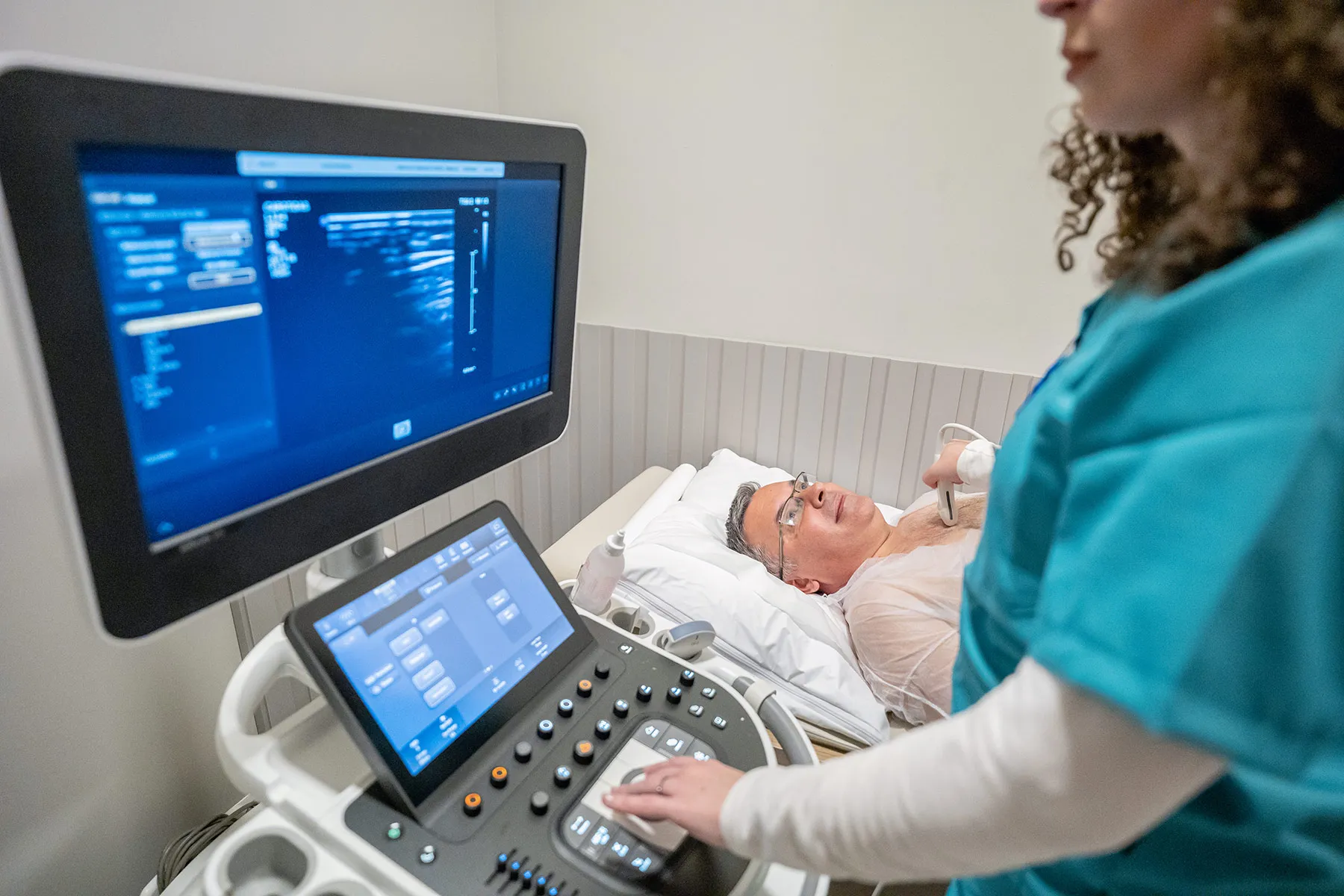
Two-thirds of people with this heart condition have the obstructive type. Find out what that means.
How much do you know about hypertrophic cardiomyopathy? See if you can figure out fact from fiction.
Explore signs of hypertrophic cardiomyopathy, learn the symptoms, and know when to call your doctor.
This thickening of the heart muscle can cause a number of symptoms, like dizziness and palpitations. It’s important to see a cardiologist and get tested.
Many can live a normal life with this thickening of heart muscle, but it can cause cardiac arrest, too. How can a doctor tell if you have it?
A doctor explains hypertrophic cardiomyopathy causes, symptoms, and treatment options, including medications and surgery.
If you need treatment for hypertrophic cardiomyopathy, you have many options, including medications, surgery, and lifestyle changes.
The more you know about your disease and your symptoms, the more your doctors can help.
Get tips and make lifestyle changes for your hypertrophic cardiomyopathy.
Getting your heart pumping with this condition may make you anxious, but easy-to-moderate exercise has so many benefits. Here’s how to sweat safely.
How is stress affecting your heart? Learn how lowering your anxiety could boost the health of your heart and blood vessels when you have HCM.
Hypertrophic cardiomyopathy causes the heart muscle to enlarge. Learn which medicines are good -- and ones to avoid -- for HCM.
This heart condition makes it hard for the muscle to pump blood. In severe cases, surgery can ease symptoms and restore blood flow.
Hypertrophic cardiomyopathy puts you at risk of an infection in your heart valves and lining. But there are things you can do to avoid it.
Hypertrophic cardiomyopathy is usually caused by gene mutations, but having a mutation doesn’t necessarily mean you’ll develop it.