Hypertrophic cardiomyopathy (HCM) can thicken the walls of your heart’s left ventricle (chamber). This makes it hard for your heart to pump oxygen-rich blood out to your body.
HCM can run in families, often without symptoms. Sometimes, symptoms can show up later. Discover the signs and what symptoms to watch for with hypertrophic cardiomyopathy.
Chest Pain or Discomfort That Goes Away With Rest
Without enough oxygen-rich blood to your heart, you can get mild chest pain, called angina. It can feel like indigestion and may get a bit worse during or after exercise.
But with rest or medication, this harmless discomfort goes away.
Shortness of Breath
If your heart struggles to pump blood through your body, your lungs may lack oxygen. This can mean it’s harder to breathe, which can lead to:
- Chest pain
- Dizziness
- Fainting
Physical activity or exercise may worsen these symptoms, too.
Feeling Faint (Presyncope)
If you get the feeling that you might faint, but you don’t pass out, you likely have presyncope. Also called "feeling faint," it’s caused by a lack of blood flow to your brain. You may get:
- Lightheaded
- Weak
- Vision changes, such as seeing black spots
Fainting or Passing Out
As your heart wall thickens, blood flow to your body can get blocked. This can slow the amount of blood to your brain and cause you to get dizzy or pass out. You can faint, especially during or after a physical activity, such as exercise.
Swelling in Your Lower Body or Neck
When your heart doesn’t work well, blood and other fluids can build up. Fluid can get trapped to cause swelling (edema) in your:
- Ankles
- Feet
- Legs
- Belly
- Neck
You may notice the swelling is better in the morning and worse later in the day.
Lightheadedness
A thickened heart muscle can block blood flow from your heart to your brain. It can also block your body’s oxygen supply. And this may cause you to feel dizzy or lightheaded.
Irregular Heartbeat or Rhythm
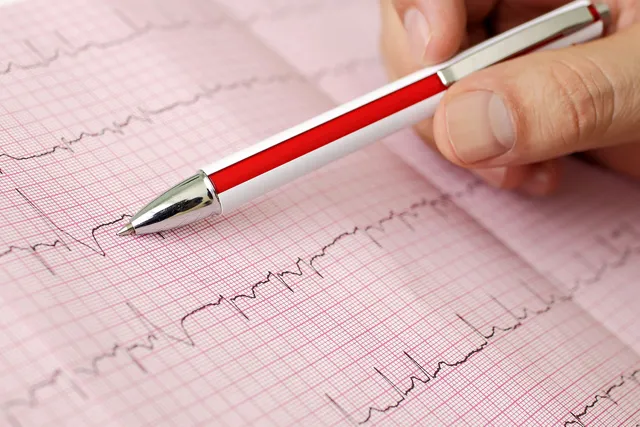
An arrhythmia is a change in your heart’s beat or rhythm. Your heart can beat too slow, too fast, or feel like it skips a beat.
Your heart has a small mass of tissue in the right upper chamber (atria) called the sinus node. Normally, this node creates an electrical charge that moves through the heart.
The electrical signals tell your heart when to contract and pump out blood – about 60 to 100 times per minute. HCM can cause changes in these signals and lead to arrhythmias.
Fast or Fluttering Heartbeats
Arrhythmias can cause faster heartbeats, or palpitations. These make it feel like your heart is pounding, fluttering, or racing.
Fatigue Commonly Happens With HCM
With HCM, fatigue is common. You’re not just sleepy or tired – you’re constantly exhausted, no matter how much sleep you get. It can make it hard to go to work or get through your day.
Like other HCM symptoms, fatigue happens because your heart can’t pump enough nutrients and oxygen-rich blood to your muscles and organs.
When to Call the Doctor
Get medical care right away or call 911 if your symptoms get worse or you have:
- Serious chest pain
- Shortness of breath that lasts for more than a few minutes
- Bleeding or blood clots
- Pain or pressure in your arms, neck, back, jaw, or torso
Show Sources
Photo Credit: iStock/Getty Images
SOURCES:
Mayo Clinic: "Medication and surgery treatment options for hypertrophic cardiomyopathy," "Hypertrophic cardiomyopathy."
Cleveland Clinic: "Hypertrophic Cardiomyopathy," "Presyncope."
Penn Medicine: "Hypertrophic cardiomyopathy."
University of Maryland Medical System: "Heart Arrhythmias vs. Palpitations vs. A-Fib: What They Mean for You."
Johns Hopkins Medicine: "Anatomy and Function of the Heart’s Electrical System."
Merck Manual: "Hypertrophic Cardiomyopathy Arrhythmias."
American Heart Association: "Hypertrophic Cardiomyopathy (HCM)."
Journal of the American College of Cardiology: "Mechanisms of Myocardial Ischemia in Hypertrophic Cardiomyopathy."
National Health Service (U.K.): "Heart Failure."
UCDavis Health: "Hypertrophic Cardiomyopathy (HCM)."