Lifestyle Changes to Make With Hypertrophic Cardiomyopathy

Find the Right Exercise
The right kind of exercise can help your heart health. Your doctor may suggest a low- or moderate-intensity workout that won't stress your heart, like:
- Yoga
- Walking
- Stretching
- Tai chi
Before starting, talk to your doctor about the right exercise for you.

Eat a Heart-Healthy Diet
A diet high in fruits, vegetables, and whole grains can lower your risk of coronary artery disease and bring down blood pressure. You can try:
- Lean meats like fish and poultry without skin
- Fat-free or low-fat dairy products
- Limiting salt – it can raise blood pressure
- Skipping the sugar, candy, and other desserts

Keep Water and Other Fluids Nearby
Your thicker heart muscle can struggle to get enough oxygen during harder exercise. Your heart may work harder to pump blood, causing abnormal heart rhythms. Lower water levels can worsen your symptoms. But you can keep your water levels up and drink water:
- Throughout the day
- Especially before exercise
- Before going out on hot days

Don't Smoke – and if You Do, Quit
Smoking can narrow your coronary arteries, and this may worsen your HCM symptoms. Good news: If you stop smoking, you can lower your risk of heart problems. Many support programs and medications can help. Talk to your doctor today about your plan to quit.

Get to Your Target Weight
Extra weight can put stress on your heart. Reach your target weight to take the stress off your heart. Weight loss may also help ease your HCM symptoms.
Ask your doctor about your weight loss plan. They can help you figure out which diet, exercises, or other treatments are best for your health.

Manage Daily Stress
Chronic stress can raise your blood pressure and the risk of irregular heartbeats (arrhythmias), heart attacks, and strokes. Try to relax and lower your stress using:
- Deep breathing
- Meditation
- Yoga
- Warm baths

Limit or Don't Drink Alcohol
Drinking alcohol – even one or two drinks a day – can worsen your heart issues and may cause:
- Irregular heart rhythms
- Higher blood pressure
- Weight gain
- Increased HCM symptoms
Ask your doctor if it's safe for you to drink alcohol.

Control Your Blood Pressure
High blood pressure can make the walls of your heart thicker. This can make your heart work harder. Work closely with your doctor to:
- Keep your blood pressure under control
- Take the right medicines on time
- Monitor your blood pressure at home between visits

Develop Good Sleep Habits
A good night's sleep can lower your risk of heart disease and other chronic conditions. Your HCM symptoms can get worse with:
- Insomnia
- Poor-quality sleep
- Sleep apnea
Aim for seven to nine hours of nonstop sleep each night. Go to bed and wake up at the same time each day, including weekends.
Manage Other Health Conditions
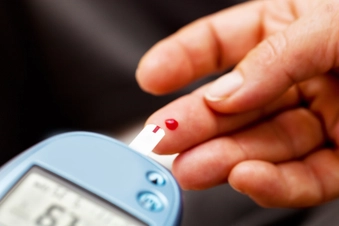
Diabetes and high cholesterol can worsen HCM symptoms and raise your risk of coronary heart disease. If you have diabetes, keep your blood sugar in check by:
- Monitoring your glucose regularly
- Taking your diabetes medication or insulin shots
- Eating a healthy diet and exercising
Sticking to a heart-healthy diet can help lower your cholesterol, too.

Take Your Meds
You can keep on track and ease HCM symptoms by taking your prescribed medications to:
- Lower your blood pressure
- Help maintain a regular heartbeat
- Prevent blood clots from forming
Ask your doctor about other options for medications that may worsen your HCM, such as those for erectile dysfunction.

Keep Your Appointments
If you have a family member with HCM, experts suggest screening for HCM:
- Around age 12 (puberty)
- Yearly after puberty starts until you're fully grown, between 20 and 25 years old
- After you're fully grown, you'll get screened every three to five years
With an HCM diagnosis, you'll likely see your doctor every three years. If you develop symptoms, make an appointment sooner to discuss the next steps for your health.


