Master the Diet Needed for Progressive Familial Intrahepatic Cholestasis

Team Up With a Dietitian
Using a registered dietitian that specializes in pediatric liver disease to manage your child's nutrition is a vital piece of their PFIC care and can improve their quality of life and disease outcome. A dietitian can help you be sure your child is getting the vitamins and minerals they need for healthy growth and development.

Prioritize Calories
Although there are foods that can give your child a boost in fat-soluble vitamins they lack because of the effects of PFIC, the primary goal is to be sure they're getting enough calories. Your child's health care team will guide you through the medium-chain triglyceride (MCT) oil and vitamin supplementation they'll use alongside a liver-friendly diet to be sure they're getting the vital nutrition they need to grow.
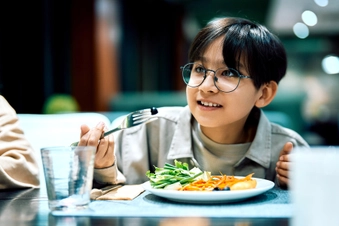
For Vitamin A: Colorful Fruits and Veggies
Because PFIC prevents your child from absorbing fat-soluble vitamins (A, E, D, and K), it helps to eat a diet rich in these vitamins (along with supplementation). For vitamin A, go for green, orange, and yellow fruits and vegetables such as sweet potatoes, carrots, broccoli, winter squash, cantaloupe, mangos, and apricots. Fish such as salmon, eggs, and fortified breakfast cereals are also sources of vitamin A.
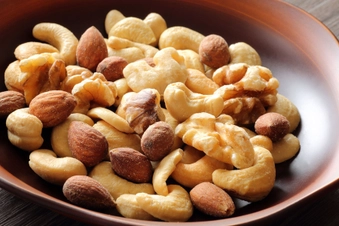
For Vitamin E: Nuts, Seeds, and Vegetable Oils
Vitamin E is an essential antioxidant your child's body needs for heart and eye health. Some foods that are rich in vitamin E include wheat germ oil, sunflower oil (and seeds), almonds, safflower oil, hazelnuts, and peanut butter.
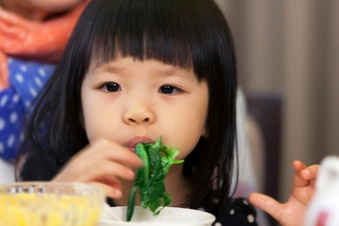
For Vitamin K: Go Green
Vitamin K is necessary for blood clotting and bone health. To get more in your child's diet, load them up on leafy greens: spinach, turnip greens, kale, collard greens, and broccoli. If your child isn't sold on greens in their diet, blend them into smoothies.
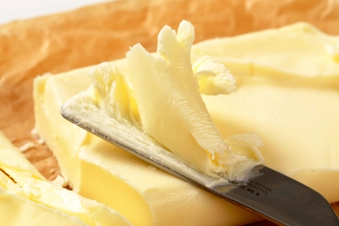
Watch High-Fat Foods
Your child needs fat as part of a balanced diet, but too much fat can make PFIC symptoms such as diarrhea worse. Steer clear of foods high in saturated fats, such as cream and butter, or meats with fat you can see, such as marbled beef and pork.
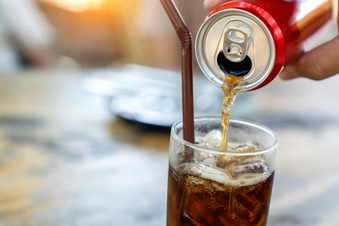
Stay Low-Sugar, Keep Carbs Complex
Foods and drinks that have high levels of simple sugars (carbohydrates) or high-fructose corn syrup, such as soda, fruit drinks, and candy, force your child's liver to absorb too much sugar. Over time, this can lead to fatty deposits and more damage. Go for complex carbs instead: whole-grain breads and crackers, and brown rice.
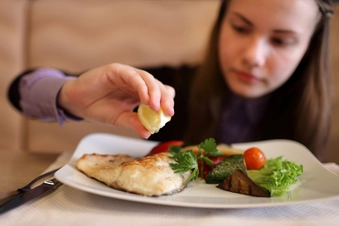
Load Up on Lean Proteins
Protein is essential for building muscle and can be helpful during recovery if your child needs a liver transplant. Your child should get plenty of lean proteins from poultry, beans, peas, lentils, fish, and low-fat dairy products such as cheese, milk, and yogurt.
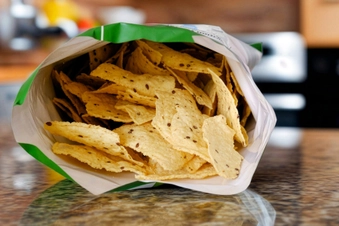
Pass on Processed Fare
Processed foods (think foods that come in a package instead of their natural state) often have harmful ingredients such as trans fats, which can irritate and damage the liver over time. These are the foods you might find in a gas station snack aisle, for example: chips, cookies, and candy bars, but also deli meats and breakfast meats such as sausage and bacon.
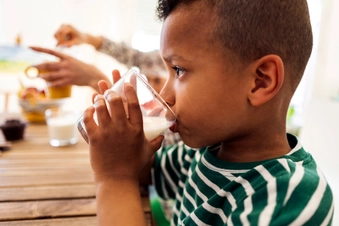
For Vitamin D: Dairy
Unlike vitamins A, K, and E, your child's body can make some vitamin D. But other sources can help boost levels. Dairy options such as cheese and milk are good vitamin D choices, as is fish liver oil, tuna, salmon, and fortified cereals and breads.


