Physical activity is linked to a host of health benefits as you age.
It can improve sleep, reduce anxiety, and even lower blood pressure. Over time, it can help you keep your brain and heart healthy, maintain a healthy weight, and may lower your risk of cancer.
“The body was designed to move,” says Fabiana Cheistwer, director of wellness at Baptist Senior Family. “Physical activity – that is the shortest path to a good mood.”
Adapt With Age
Aging often makes it harder to do the same kinds of exercise you used to. You might have a bad shoulder or a small limp in your step that keeps you from getting fit with the routine you followed at a younger age.
Every year brings changes to your body, says Colin Milner, founder and CEO of the International Council on Active Aging. Instead of dwelling on what you've lost, focus on where you are now and how you can improve. “Look at that as a motivating factor and say, ‘This is where I am. How do I improve where I am?’”
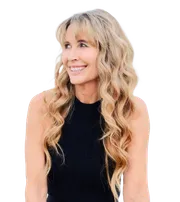
“It's a matter of putting your mind to it and doing it,” says Sherry Grossi, an 81-year-old social media influencer.
Exercise doesn’t have to cost anything either, says Grossi, who tries to do something on most days of the week.
“You can go out and walk and it doesn't cost you a penny,” Grossi says. “There are senior centers that have tons of activities that you can partake of, and it's free.”
Make Movement a Daily Habit
The best way to keep moving is to start moving. Create an exercise habit as part of your daily routine so it is easier to stick to. Consult your health care provider for help choosing activities appropriate for your body and current level of physical fitness.
And remember, your routine will probably change over time.
“No one sticks with something forever. Things get in the way,” Cheistwer says. “Be OK with starting over and over and over again.”
Aim to get about 150 minutes of moderate aerobic activity each week. That includes any form of movement that increases your heart rate, makes you breath a little faster, and warms up your body.
“You don’t even have to break a sweat to actually get good activity,” Cheistwer says. “A little bit of walking, a little bit of biking, something at a very low level actually changes the chemicals and hormones in our body.”
You should still be able to talk comfortably, but if you feel like you can sing an opera while taking your walk around the block, consider upping your pace a little bit.
Find activities that agree with you: water aerobics, dancing, yoga — whatever appeals to you. If you’re at a loss for where to start, ask around — friends, family, and even health care providers may have some ideas.
Focus on Joy
Start slowly, and focus on activities you enjoy.
“If people find something that is fun, they are more likely to do that on a consistent basis than if they just simply go into a club and try and push themselves to do something that they don't enjoy doing,” Milner says.
If you like to jive to your favorite tunes while you wash the dishes, consider adding a 15-minute living room dance jam into your daily list of to-do’s. Find a section of sidewalk, path, or trail near your home and go for a 20-minute walk each day.
Keep in mind, you don’t have to do the same exercise routine every day. It can be fun to switch things up. Maybe you go for a swim at your local recreation center a couple of days a week and hit the track for a few laps on other days.
Notice what feels good when you’re doing it as well as the positive benefits after you exercise.
“Remember how you felt after a class, after a walk with a friend, after swimming in a pool, or just walking in nature,” Cheistwer says. “That’s really a great motivator.”
You can write them down to help shape future exercise routines. Milner recommends tapping into your inner child and seeing where it takes you. It may not be appropriate to climb trees anymore, but who says you can’t have some fun?
“Treat yourself like a kid,” Milner says. “Go for a walk around the block. Go into the park and play. Find a sport that you enjoy, whether it is something like lawn bowling, whether it's curling, or whether it's tennis.”
Once you’ve got a routine going, you can increase the challenge over time. Consider a certified personal trainer if you can afford it. They can help set up a reasonable, safe exercise plan.
Don’t overdo it. It is important to listen to your body. Do not force an exercise that doesn’t feel good. If something hurts while exercising, stop and consult your doctor. Avoiding injury will allow you to keep up your physical activity over time.
Pump Those Weights
Older adults are at risk of losing significant muscle mass with each passing year, but much of that loss can be prevented. Talk to your doctor about strength exercises that may work for your body.
You might decide to invest in a pair of dumbbells or a resistance band to aid in your strength training. You can also do many strength exercises without any additional equipment. Make it fun by turning on some lively music while you do reps, or invite friends to work out with you. Watch how quickly time flies!
Keep in mind: It’s not a contest. Focus on improving your body for yourself. Try not to compare yourself.
“No two people age at the same rate or in the same way, or have the same kind of lifestyle, so your results are going to be different,” Milner says.
Stretch
You also lose flexibility as you age. Work on improving your flexibility a little bit each week to keep muscles healthy and stretched out.
Incorporate stretching into your routine. If you do an intense cardio workout, like going on a run or taking a dance class, make sure to stretch muscles afterward to prevent injury.
Consider trying out a yoga class at your local gym. Activities like yoga, tai chi and Pilates also help you improve your balance and prevent falls in old age.
Practice Sporadic Sitting
It’s OK to sit and lie down throughout the day, but too much time spent sitting at once isn’t good for the body.
Try not to sit for more than 30 minutes at a time if you can help it. Break up time seated with quick trips around the house or outdoors to get your legs moving.
“Move as much as you can and spend as little time on your bottom as possible,” Cheistwer says.
Ask yourself if the activity you need to do could include more movement. How about some stretching while you watch your favorite show? What about taking that phone call for a walk around the block?
Being active doesn’t have to take a lot of time to produce benefits.
“Whether it's 10 minute segments, 20 minute segments, those all add up over the course of the day,” Milner says.
Recognize Small Wins
Even light activity can bring big benefits for your body.
Puttering around the kitchen, vacuuming, dusting — little daily activities all add up, so pat yourself on the back for every time you find yourself up and about.
You can even include all the small movements you do in a day in an exercise log to see how much you’re actually doing. It might just inspire you to add another set of stairs the next day!