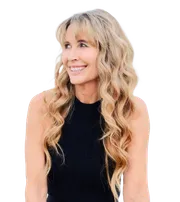
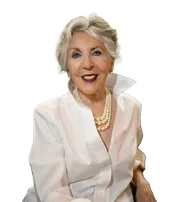
Judith Boyd, 82, has been active on social media since 2010, when she began blogging. She then graduated to Instagram and TikTok, where she’s known as StyleCrone. Boyd is a creator who uses fashion to talk about aging, style, and identity. “Outfits are my art, and so it’s a combination of my purpose and my passion.”
More often, social media is becoming a tool for entertainment, connection, learning, and even well-being for many older adults. Data from a 2021 survey shows that while young adults are more likely to adopt technology than older adults, this gap is closing. People 65 and older are the least likely age group to use social media (around 45% use it). But their presence on these platforms has grown significantly over the past 15 years.
Why Social Connection Matters
Social connection is more than a nice-to-have as we age; it’s essential for our health. Isolation raises your chances of dementia, heart disease, stroke, depression, anxiety, and death, especially from suicide. “We’ve known for 40 or 50 years that the lack of social relationships is more harmful for our health than smoking 15 cigarettes a day,” says Karen Lincoln, PhD, a social worker and sociologist who studies how social conditions shape health outcomes.
Yet for many older adults, social circles naturally shrink over time as friends move away, retire, become ill, or pass on. This is where social media can play a meaningful role. When used intentionally, Lincoln, who’s also professor of environmental and occupational health at the UC Irvine Joe C. Wen School of Population & Public Health, says, platforms like Instagram, TikTok, and Facebook can help older adults stay connected, build community, and remain engaged with the world around them.
The Benefits and Drawbacks of Social Media
Boyd knows the advantages of social media firsthand. Blogging started as a creative outlet to cope with her husband’s cancer diagnosis, yet quickly became a lifeline. She was surprised by the number of people — mostly women, many of them older — who began following her story, leaving thoughtful, encouraging comments. “They were like love letters,” she says. Over time, those interactions grew into a community she came to rely on. That sense of connection later carried over to Instagram and TikTok, where she now shares her thoughts with a global audience.
For Boyd, the most powerful part of social media isn’t visibility, it’s belonging. “To be in my 80s and know that you can make new friends, no matter your age, is a really important benefit of being on social media.” She also sees these platforms as places for creativity, learning, and personal growth. “I try to follow the rule of learning something new every day,” she adds, noting that the constant novelty keeps her mind active.
When used thoughtfully, social media can support emotional well-being, cognitive engagement, and a sense of purpose. As Lincoln notes, “Social relationships are one of the most important social determinants of health for older adults.” While research on social media and older adults is in its infancy, studies link social media use with better mood, including less depression, and greater social engagement.
But like any tool, social media has its downsides and can become overwhelming or time-consuming. “Social media can just so easily take over everything,” Boyd says, describing how easy it is to fall into “rabbit holes” and lose track of time. She purposely limits her use to protect her real-life relationships. “My grandchildren are important. My children are important. My friends are important,” she says. “I need to nurture all of those relationships.”
Experts also caution older adults to be aware of potential risks of social media, including misinformation, scams, and emotional harm from ageist or negative content.
Using Social Media in a Healthy Way and How to Get Started
Staying safe online is part of using social media responsibly. Be sure to double-check claims with trusted sources, be cautious about unsolicited messages and sharing personal information, and learn basic privacy and blocking tools.
“Not all of the information that is on these platforms are facts,” Lincoln says. “There is a very high risk of being exposed to disinformation and being exploited via social media.”
Too much screen time can be unhealthy and lead to depression and social anxiety. Make time for in-person activities, and remember: Social media is meant to strengthen personal relationships, not replace them.
Depending on your goals, you have many social media platforms to choose from. Facebook and Instagram allow you to connect with friends and family and share photos. WhatsApp and Facebook Messenger offer instant messaging. And platforms such as X and Threads cater to users who want to share text-based posts. If you’re looking for advice on getting started with social media, talk to someone with experience, such as a child or grandchild.
Boyd reminds newcomers that there’s no single “right” way to participate. “You can just be a stalker,” she jokes. “You don’t have to post if you don’t want to.” Some people prefer sharing their own stories, while others enjoy quietly following accounts that reflect their interests, whether that’s gardening, travel, art, or history.
Finding positive communities also matters. Boyd suggests using search tools and hashtags to explore topics you enjoy, allowing the platform’s algorithm to gradually tailor content to your preferences, including content from other older adults that breaks stereotypes.
While society often views aging through a lens of decline, social media can offer a different perspective — older adults presenting themselves as active, curious, and engaged. Boyd hopes that by sharing her life openly, she can challenge assumptions and remind people that older adults are not a monolith. “I want to represent and give the message that we’re not dead yet.”