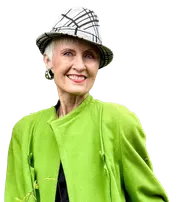
When fitness influencer Lorraine C. Ladish scrolls through the comments on her social media feeds, there is one comment that her followers post over and over: Age is just a number.
It’s one of those myths that needs busting, says Ladish.
“I believe in feeling youthful, but that doesn’t mean that I’m 20 years old,” she says. Though Ladish says she feels happier and more capable than in her younger years, there's no denying that time takes its toll, she says. She has more wrinkles, less energy, and longer recovery times after exercise. The trick, she says, is figuring out how to do the best with what you’ve got.
And that’s not the only aging myth that needs busting, says Ladish.
Myth: Physical Decline Is Inevitable
Aging changes your body. Fitness and strength start to decline around age 35. But that doesn’t mean physical decline is inevitable. Regular physical activity can slow and even reverse some age-related changes.
“You have control and, if you start early, you can avoid many common ailments associated with aging,” says Bradley Serwer MD, an interventional cardiologist and chief medical officer at VitalSolution, a company that provides cardiovascular and anesthesiology services to hospitals.
“Genetics only account for 20 to 30 percent of how we age; the rest is up to us,” he says.
Strength training builds muscle mass and bone density, while cardio workouts improve balance and coordination, promote heart health, and may even reduce the risk of certain cancers. But aging bodies also have wear and tear.
Ladish notices that as she ages, her joints take longer to recover and her tendons are more vulnerable.
Myth: It’s Too Late to Make Changes
There is a misconception that if you don’t start lifting weights, running, or adopting healthy habits at a young age, it’s too late. Science says otherwise.
Adults over age 65 who quit smoking, reduce alcohol consumption, increase physical activity, and adopt a healthy diet can improve both the quality and length of life. You’re never too old to get started.
“There is power in taking the first step,” says Alan Rozanski, MD, a professor of medicine at Icahn School of Medicine at Mount Sinai Hospital.
Myth: Workouts Have to be Intense to Count
Workouts can be intense, sweaty, and exhausting, but they don’t have to be. Even short bouts of physical activity lasting 10 minutes are enough to improve your health, including heart and mental health. Rozanski calls these “exercise snacks.”
And it can be easier to stick with an exercise program over the long term with these types of workout “snacks.” To get started, try doing short bouts of exercise that last 10 to 30 minutes at least twice a day, Rozanski says.
Look for workouts that are consistent, safe, and tailored to your lifestyle. They don’t need to require extreme effort.
Myth: Aging Is Something That Happens To You
Aging might be inevitable, but that doesn’t mean it’s a passive process. Aging is interactive.
Ladish knows the choices she makes about diet, exercise, preventive care, social connection, and other lifestyle habits impact her health and well-being. It’s the reason she takes an active approach to aging, exercising, diet, and scheduling regular appointments with her doctors, which has helped her catch health issues early.
“I don't like to wait until it's too late to go get things checked out,” she says. “Whether we have something going on or not, knowledge is power.”
Don’t disengage, says Ladish. Recognize that you play an active role in shaping the trajectory of how you age, physically and emotionally.
Myth: Your Best Days Are Behind You
Getting older doesn’t mean that your best days are over. In fact, older adults often report higher levels of life satisfaction, happiness, and other positive emotions than younger adults.
Ladish hasn’t let the number of candles on her birthday cake impact her zest for life. She has continued to set new goals, pursue new passions, and try new activities. She has gone swimming with stingrays, snorkeling with sharks, and hiking on Spain’s El Camino de Santiago
“I know people who feel they peaked in high school or college and they pine for those days,” she says. “I am always challenging myself to find new peaks to work towards, and so I feel that I have a lot left to do.”
Having a positive attitude is also key. Research shows that adults over 50 who are the most satisfied with aging have a lower risk of heart disease, stroke, and cancer. They also sleep better and live with a greater sense of purpose than those who are less satisfied with aging.
Sometimes that means backing off a bit. If you don’t feel 100%, take a rest day, says Ladish. “I don't push myself when I don't feel I should,” she says. Then, when you feel recharged, get back out there and move around and engage with the world around you.
“What I'd love people of any age to take away is that they should not stop living the life they want to live or stop doing the things they want to do and discovering new things that might bring them joy.”