A healthy life isn’t just about counting minutes on the treadmill or adding veggies to your diet. Strong social connections can make a big difference too.
People who maintain sturdy relationships and feel a sense of belonging to a group are at lower risk for heart disease, dementia, and depression. Being social can also help reduce stress and anxiety.
It can be daunting to try a new dance class or meet up with a group of friends as you get older. Mobility issues, moving to a new place, and the loss of loved ones over time can lead you to the habit of being alone. That’s where a little effort can go a long way.
Get Out There
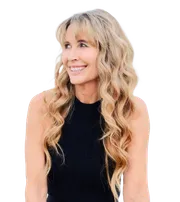
Even a small step can make a big difference when it comes to meeting new people. Sherry Grossi, an 81-year-old social media influencer, says putting on a fun outfit or a new piece of jewelry helps her feel more confident about getting out in the world each day.
It doesn’t have to be a high-end piece to add a little pizzazz, either.
“You can go into a thrift store and pick up a brooch or a necklace or something for a couple bucks,” she says. “It's great to find that treasure hidden in that rack.”
But you don’t have to like fashion to find a reason to step outside.
What makes you smile or feel a bit more energetic? Maybe you like to sit on your front porch to soak up sunlight and neighborly conversation. If you enjoy baking, consider making something special to share with neighbors.
Or maybe you’re ready to try something new — a pottery class or salsa dancing — where you might meet someone new.
“Sometimes we can get ourselves stuck in the things that we've always done,” says Amanda Krisher, associate director of behavioral health at the National Council on Aging.
You can also set yourself up for success by looking for events, classes, and activities in your community. You can often find lists of local happenings via an internet search, or visit your local senior center, recreation center, library, or county aging agency to get up to date on activities happening in your area.
Friends or family members might have suggestions too. Sometimes it’s less intimidating to try something new with a trusted companion by your side.
Even if you don’t find something that excites you right away, don’t give up. There are people all around you!
Check out a new cafe in your neighborhood and say hello to the barista, or stop by the library and ask the librarian for the latest literary recommendations. Give a compliment to someone you pass on the street or while you wait in line at the grocery store.
You’ll be surprised to find even small social interactions can make a difference.
“I like to say something nice to somebody,” Grossi says. “It can brighten up anybody's day.”
Turn Up the Volume (and Put On Your Glasses!)
Many older adults experience hearing loss as they age. If you find it harder to understand what other people are saying or to follow conversations in loud settings, it might be time to see your doctor for a hearing check.
It’s nothing to be ashamed of. The sooner you get help for your hearing, the sooner you’ll be able to catch up on all of the latest gossip with your gal pals or listen to your grandchild read you a storybook.
Another reason to fine-tune your hearing in old age: cognitive decline. If you can’t hear well, it may impact on your brain health.
In fact, people who use hearing aids when they need to may live longer, research suggests.
The same logic goes for other common hurdles associated with aging. If you have a harder time seeing at night than you used to, ask a family member or friend to accompany you to that evening choir concert you want to attend.
Get a cane to help you keep your balance while out on the town if you worry about walking around without support. If you don’t feel comfortable driving anymore, check out your local public transportation routes or ask your local senior center about transportation options available for senior citizens in your community.
Technology can be your friend too, Krisher says. Ask your local senior center about programs that connect people for phone calls a few times a month or other virtual social opportunities.
Set a goal to do something social at least once a week, and find a way to make it happen.
Stay Active
Spending time with other people can also be a good excuse to move around more than you would if you just stayed home. Social time is a great way to get physical activity while having fun.
When you work out with others, you might get a dual rush of feel-good hormones associated with both exercise and spending time with other people.
Do you like to dance? Have you always wanted to visit that beautiful park in a neighboring town?
Consider all of the ways you can make time with friends a chance to move your legs and wiggle your hips. It could be as simple as putting on an “oldie but goodie” in your living room and swaying to the music with your buddies. Or check out the local pickleball court to hit the ball back and forth.
“What makes pickleball really fun is the social aspect,” says Colin Milner, CEO of the International Council on Active Aging. “When you're sitting on the sidelines, not playing, you're speaking to people. You're getting to know people again.”
Time with friends can also be good exercise for your brain. Games like mahjong and bingo are popular pastimes that help you build community while challenging your mind.
Grossi makes it part of her routine.
“I just learned mahjong about five years ago and it's so much fun,” Grossi says. “There are tons of people there, and you get together and you chat and talk about whatever, nothing important.”
Embrace the Giving Spirit
If you’re retired or your kids have flown the nest, you might find yourself with more time on your hands than you’re used to. For some people, it may feel harder to find meaning in daily life without the structure of a work routine or children’s schedules to attend to.
There are plenty of ways to make the world a little bit of a better place just outside your doorstep.
Consider contacting local nonprofit organizations that need volunteers. Activities could range from sorting foods at a local food pantry to caring for animals at a shelter or helping organize a charitable event in your community. There’s something for everyone if you just look for it.
Plus, donating a few hours each week to a good cause can help add a sense of purpose to your life and inspire you to get out of the house on a regular basis. Volunteering is associated with lower rates of depression and better cognitive performance in older adults. You’ll probably meet like-minded people in the process and maybe make some new friends.
Make Plans
Now that you’re busy finding new ways to get involved in your community, don’t forget about existing friendships near and far. Keeping up with friends can help boost your feelings of self-confidence, lower stress levels, and help you through difficult times in your life.
Find time to check in with old pals on a regular basis, even if it’s by phone or video call. You’d be surprised by how meaningful it can be to hear someone’s voice on the other end of the phone.
To keep up with your social relationships, set aside some time each week to reach out to people you want to connect with. You can send an email or text to find out when they might be available for a chat or coffee meet-up in the next week.
Once you’ve got a date and time, put it on your calendar as a reminder. It will give you something to look forward to during your week.
Making regular plans to see friends and getting involved in your community can make a huge difference in your mood.
“If you are engaged in life, you begin to spiral upwards,” Milner says. “You're building your community. You're probably out doing something.”
You might even consider reaching out to friends you’ve lost touch with over time. If you’re interested in potentially rekindling the friendship, try sending a friendly message or making a phone call and see what happens.
Get Support
If you feel lonely or get anxious about meeting new people, it might be helpful to talk to a trained mental health professional. A therapist may be able to help you talk through your feelings and develop a plan to make friends that works for you.
Many older adults face big life transitions like retirement or the loss of a spouse. You don’t need to navigate these major changes all on your own.
Therapy can be a great tool to help you not only learn how to make new friends, but also enjoy more meaningful social interactions, Krisher says. It can come in different forms, too.
“That might be a group therapy session. It might be something called cognitive behavioral therapy, where you're really working on changing the way that you think about things,” Krisher says.