


 Reviews (13)
Overview: Amiloride/hydrochlorothiazide contains two medicines that are diuretics, also called water pills. It is used to treat high blood pressure and to reduce fluid retention. Common side effects may include low blood pressure, an increase in how much you pee, and stomach upset. Keep all appointments with your health care provider to check your blood work while you are taking amiloride/hydrochlorothiazide. Amiloride/hydrochlorothiazide comes in a tablet that is taken by mouth.
Uses
What is amiloride/hydrochlorothiazide used for?
Amiloride/hydrochlorothiazide is a diuretic, also called a water pill, commonly used to treat high blood pressure (hypertension).
Amiloride/hydrochlorothiazide is also commonly used to reduce fluid retention (edema) caused by congestive heart failure. Congestive heart failure is a condition where the heart is not pumping as well as it should.
Amiloride/hydrochlorothiazide may also be used for other conditions as determined by your health care provider.
How does amiloride/hydrochlorothiazide work (mechanism of action)?
Amiloride/hydrochlorothiazide contains two medicines: amiloride and hydrochlorothiazide. It works by increasing how much you pee. It does this by helping the kidneys remove electrolytes, such as sodium (salt), and water from the body. It may also allow blood to flow more freely, which may help with lowering blood pressure. The amiloride in this combination medicine helps your kidneys keep more potassium in your blood, which could get too low if you take hydrochlorothiazide alone.
How is amiloride/hydrochlorothiazide supplied (dosage forms)?
Brands and other names
- Moduretic
Dosage forms and strengths
- 5 mg/50 mg oral tablets
How should I store amiloride/hydrochlorothiazide?
Amiloride/hydrochlorothiazide should be stored at room temperature, between 68 F and 77 F (20 C and 25 C). It can be exposed to temperatures between 59 F and 86 F (15 C and 30 C), for shorter periods of time, such as when transporting it. Store in a cool, dry place. Keep tightly closed.
Side Effects
What are the most common side effects of amiloride/hydrochlorothiazide?
The most common side effects of amiloride/hydrochlorothiazide are listed below. Tell your health care provider if you have any of these side effects that bother you.
- Low blood pressure (see below)
- Electrolyte changes and increased blood sugar (see below)
- An increase in how much you pee
- Nausea and vomiting
- Diarrhea
- Loss of appetite
- Stomach pain
- Gas (flatulence)
- Headache
- Weakness/fatigue
- Skin rash
There may be other side effects of amiloride/hydrochlorothiazide that are not listed here. Contact your health care provider if you think you are having a side effect of a medicine. In the U.S., you can report side effects to the FDA at www.fda.gov/medwatch or by calling 800-FDA-1088 (800-332-1088). In Canada, you can report side effects to Health Canada at www.health.gc.ca/medeffect or by calling 866-234-2345.
What are the serious side effects of amiloride/hydrochlorothiazide?
While less common, the most serious side effects of amiloride/hydrochlorothiazide are described below, along with what to do if they happen.
Low Blood Pressure with Worsening Kidney Function. Water loss from amiloride/hydrochlorothiazide can lower your blood pressure too much and cause dehydration. Both may lead to problems that are more serious than lightheadedness. Poor blood flow to important organs such as your kidneys can occur, especially if you are older. Drink enough water to stay hydrated, especially if you have excess sweating, vomiting, or diarrhea. Get out of bed or from a seated position slowly. Tell your health care provider right away if you have any of the following symptoms.
- Dizziness, feeling lightheaded, or fainting
- Confusion
- Feeling weak or tired
- Difficulty catching your breath or chest pain/pressure
- Sudden weight gain
- Swelling in your feet, ankles, or legs
- Reduced need to pee
- Increased thirst
- Dark or strong-smelling pee
- Dry mouth
- Sunken eyes
- Headache
- Fast heartbeat
- Nausea
- Seizures
Electrolyte Changes and Increased Blood Sugar. Amiloride/hydrochlorothiazide may increase your blood sugar (glucose) levels and cause changes to the levels of certain minerals in your body, called electrolytes. For example, it may cause low potassium levels (hypokalemia), high potassium levels (hyperkalemia), low sodium levels (hyponatremia), low magnesium levels (hypomagnesemia), high calcium levels (hypercalcemia), low chloride levels (hypochloremia), or high glucose levels (hyperglycemia). These changes can be serious. Your health care provider will do bloodwork to check your glucose and electrolyte levels, especially if you take certain other medicines. Keep your appointments to have your blood checked. Call your health care provider if you have any of the following symptoms.
- Weakness
- Unusual tiredness
- Muscle cramps or twitching
- Constipation
- Nausea, vomiting, or loss of appetite
- Dizziness
- Restlessness or irritability
- Difficulty breathing
- Confusion or decreased alertness
- Abnormal heart rhythm
- Seizures
Short-Sightedness and Glaucoma. Amiloride/hydrochlorothiazide may make it harder to see faraway objects (short-sightedness). It also may increase pressure inside the eye and cause or worsen narrow-angle glaucoma, which can lead to blindness. These issues may be more likely with taking amiloride/hydrochlorothiazide if you have a sulfa or penicillin allergy. Tell your health care provider right away if you have any of the following symptoms.
- Trouble seeing faraway objects
- Loss of vision
- Eye pain or redness
- Severe headache or vomiting
- Seeing bright, colorful circles around lights (vision halos)
Severe Allergic Reactions. Amiloride/hydrochlorothiazide may cause allergic reactions, which can be serious. Stop using amiloride/hydrochlorothiazide and get help right away if you have any of the following symptoms of a serious allergic reaction.
- Breathing problems or wheezing
- Racing heart
- Fever or general ill feeling
- Swollen lymph nodes
- Swelling of the face, lips, mouth, tongue, or throat
- Trouble swallowing or throat tightness
- Itching or skin rash
- Bumps on the skin called hives that can be red, pink, white, or brown depending on your skin tone
- Nausea or vomiting
- Dizziness, feeling lightheaded, or fainting
- Stomach cramps
- Joint pain
Severe Skin Reactions. Amiloride/hydrochlorothiazide can cause severe skin reactions, such as Stevens-Johnson Syndrome (SJS) and toxic epidermal necrolysis (TEN), that can lead to death if not treated. If you get a rash or blisters, stop taking amiloride/hydrochlorothiazide and call your health care provider right away. Get emergency help right away if you have any of the following symptoms.
- Painful red or purple skin that looks burned and peels off
- Flat red rash or blisters on your skin, mouth, nose, and genitals
- Red, painful, watery eyes
Inflammation of the Pancreas (Pancreatitis). Amiloride/hydrochlorothiazide may cause inflammation of the pancreas, which is called pancreatitis. Stop taking amiloride/hydrochlorothiazide and call your health care provider right away if you have symptoms of pancreatitis, including vomiting or severe pain in the upper part of your belly that travels to your back.
Liver Damage. Liver damage, also called hepatotoxicity, can happen when taking amiloride/hydrochlorothiazide. Call your health care provider right away if you have any of the following symptoms of liver damage.
- Nausea or vomiting
- Stomach or belly pain
- Fever
- Weakness or unusual tiredness
- Itching
- Loss of appetite
- Light-colored poop
- Dark-colored urine (pee)
- Your skin or the whites of your eyes turning yellowish in color (also called jaundice)
Warnings & Precautions
Who should not use amiloride/hydrochlorothiazide?
Allergies to Ingredients. People who are allergic to any of the following should not take amiloride/hydrochlorothiazide.
- Amiloride
- Hydrochlorothiazide
- Moduretic
- Any other medicine known as a sulfonamide (sulfa drug)
- Any of the ingredients in the specific product dispensed
Your pharmacist can tell you all of the ingredients in the specific amiloride/hydrochlorothiazide products they stock.
No Urine Production. Do not take amiloride/hydrochlorothiazide if you are making very little to no pee. This condition is also called anuria.
Very Low Electrolytes. If you have low electrolytes, including low sodium or potassium, amiloride/hydrochlorothiazide may not be safe to take. Your health care provider may check your electrolytes before starting amiloride/hydrochlorothiazide. Low electrolytes are not usually something you can feel, so it is important to go to your scheduled blood work appointments.
High Potassium Level (Hyperkalemia). Amiloride/hydrochlorothiazide should not be taken if your blood potassium level is high. Your health care provider will likely check your potassium level before starting amiloride/hydrochlorothiazide and during treatment. It is very important to keep all appointments where your blood potassium levels will be checked.
Other Kidney Problems. Amiloride/hydrochlorothiazide should not be taken if your kidneys are not working as well as they should be. If there is a concern about the health of your kidneys, your health care provider may do tests to see if they are working well enough to take this medicine.
Salt Substitutes or Potassium Supplements. Salt substitutes containing potassium, potassium supplements, or a high-potassium diet should not be used while taking amiloride/hydrochlorothiazide unless directed to do so by your health care provider.
Drug Interactions. Amiloride/hydrochlorothiazide should not be taken while you are using certain other medicines. Before taking amiloride/hydrochlorothiazide, tell your health care provider about any prescription or over-the-counter (OTC) medicines, vitamins/minerals, herbal products, and other supplements you are using. See the Interactions section for more details.
What should I know about amiloride/hydrochlorothiazide before using it?
Do not take amiloride/hydrochlorothiazide unless it has been prescribed to you by a health care provider. Take it as prescribed.
Do not share amiloride/hydrochlorothiazide with other people, even if they have the same condition as you. It may harm them.
Keep amiloride/hydrochlorothiazide out of the reach of children.
Take amiloride/hydrochlorothiazide with food.
Amiloride/hydrochlorothiazide can affect your electrolyte levels, especially potassium and sodium. It is important to discuss your intake of electrolytes with your health care provider, including potassium in food, drinks, or supplements.
Amiloride/hydrochlorothiazide can affect your alertness or coordination. Do not drive or do other activities that require alertness or coordination until you know how amiloride/hydrochlorothiazide affects you.
People who are age 65 or older can be at greater risk for some side effects from amiloride/hydrochlorothiazide. Talk to your health care provider about your risks if you are in this age group.
Your skin may be very sensitive to light from the sun and devices that give off similar light, such as sunlamps and tanning beds, while you are taking certain drugs, including amiloride/hydrochlorothiazide. This is called photosensitivity. Use sunscreen and wear a hat and clothes that cover your skin if you need to be in the sunlight. Talk to your health care provider about checkups for skin cancer.
What should I tell my health care provider before using amiloride/hydrochlorothiazide?
Tell your health care provider about all of your health conditions and any prescription or over-the-counter (OTC) medicines, vitamins/minerals, herbal products, and other supplements you are using. This will help them know if amiloride/hydrochlorothiazide is right for you.
Current and Past Health Conditions. Tell your health care provider if you have any of the following.
- Heart failure
- Liver problems
- Kidney problems
- Persistent or severe diarrhea or vomiting, which can lead to dehydration
- Low electrolytes, including potassium and sodium
- Abnormal heart rhythm (arrhythmias)
- Diabetes
- Gout
- Prostate problems
- A reduced need to pee
Systemic Lupus Erythematosus. Amiloride/hydrochlorothiazide may activate or worsen systemic lupus erythematosus. Tell your health care provider if you develop or have worsening rash, joint pain, fever, or unusual tiredness.
Sulfa Allergy. Some people who have a sulfa allergy may also be allergic to amiloride/hydrochlorothiazide. A sulfa allergy is a rash or more serious reaction to sulfa, or sulfonamide, medicines. Sulfa medicines include sulfamethoxazole, sulfadiazine silver, or sulfasalazine. Tell your health care provider if you have any allergies to medicines.
Pregnancy. It is not known if or how amiloride/hydrochlorothiazide could affect pregnancy or harm a fetus. Tell your health care provider if you are pregnant or plan to become pregnant. Your health care provider will let you know if you should take amiloride/hydrochlorothiazide while you are pregnant or trying to get pregnant.
Breastfeeding. Amiloride/hydrochlorothiazide passes into breast milk. Tell your health care provider if you are breastfeeding or plan to breastfeed. Your health care provider will let you know if you should stop breastfeeding or stop amiloride/hydrochlorothiazide.
Interactions
Does amiloride/hydrochlorothiazide interact with foods or drinks?
Amiloride/hydrochlorothiazide interacts with salt substitutes containing potassium and high potassium diets, which may increase the risk of high potassium in your blood (hyperkalemia). It is important to discuss your intake of electrolytes, including sodium and potassium, with your health care provider.
Alcohol may increase the risk of low blood pressure when standing from a sitting or lying position (called orthostatic hypotension or postural hypotension) when taking amiloride/hydrochlorothiazide. It is best to limit the amount of alcohol you drink.
Does amiloride/hydrochlorothiazide interact with other medicines (drug interactions)?
Always tell your health care provider about any prescription or over-the-counter (OTC) medicines, vitamins/minerals, herbal products, and other supplements you are using.
In particular, make sure that you discuss if you are using any of the following before taking amiloride/hydrochlorothiazide.
- A barbiturate, such as butalbital, phenobarbital, or primidone, which is a medicine that may be used to treat insomnia, migraines, or seizures
- An opioid, such as codeine, fentanyl, morphine, or oxycodone, which is a medicine used for certain types of pain
- A medicine for diabetes
- A medicine for high blood pressure
- An angiotensin-converting enzyme (ACE) inhibitor, such as enalapril or lisinopril, which is a medicine for high blood pressure, heart failure, and certain kidney problems
- An angiotensin II receptor blocker (ARB), such as losartan or valsartan, which is a medicine for high blood pressure, heart failure, and other heart conditions
- Aliskiren (Tekturna), which is a medicine for high blood pressure
- Cholestyramine or colestipol, which is a medicine that is used to lower cholesterol
- A corticosteroid, such as dexamethasone, methylprednisolone, or prednisone, which is a medicine for certain inflammatory conditions
- Lithium, which is a medicine used for certain mental health conditions
- A nonsteroidal anti-inflammatory drug (NSAID), such as ibuprofen, naproxen, and others, which are contained in many prescription and OTC products for pain, swelling, and fever
- Any potassium-containing medicine, such as penicillin G potassium or potassium chloride
- Cyclosporine (Gengraf, Neoral, Sandimmune, and others) or tacrolimus, which is a medicine to suppress your immune system
- Digoxin (Lanoxin), which is a medicine used to treat irregular heartbeat and some types of heart failure
- Any other diuretic, also called a water pill, which is a medicine used to reduce edema (fluid retention) and blood pressure
This may not be a complete list of medicines that can interact with amiloride/hydrochlorothiazide. Always check with your health care provider.
Overdose/Missed Dose
What should I do if I accidentally use too much amiloride/hydrochlorothiazide?
If you or someone else has used too much amiloride/hydrochlorothiazide, get medical help right away, call 911, or contact a Poison Control center at 800-222-1222.
What should I do if I miss a dose of amiloride/hydrochlorothiazide?
If you miss a dose, take it as soon as you remember. If it is almost time for your next dose, skip the missed dose and only take the next dose. Do not take double or extra doses.
Images
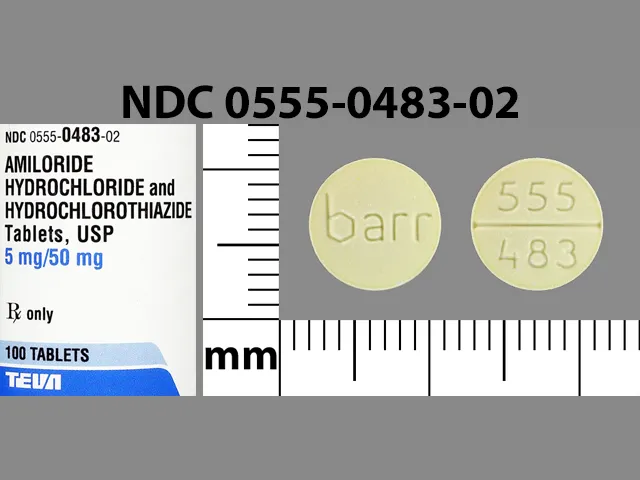
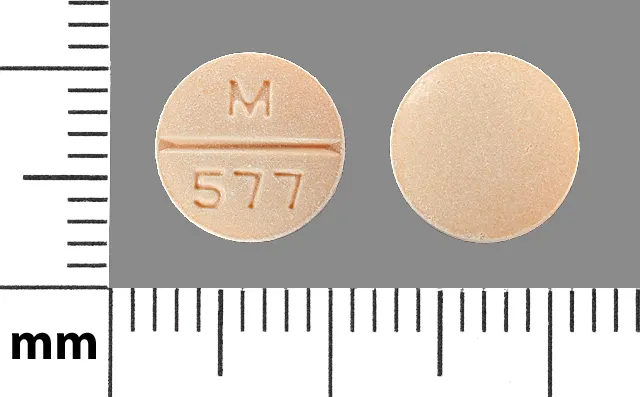
Amiloride HCl-Hydrochlorothiazide
Add WebMD as a Preferred Source to see more of our trusted content across Google Search, AI Overviews, and AI Mode
Are you currently using Amiloride/Hydrochlorothiazide?
This survey is being conducted by the WebMD marketing sciences department.