"Eat more fiber." "Stay hydrated."
That's the advice everyone gets about hemorrhoids — and it's good. But why are these diet changes important for hemorrhoid care?
When the veins in or around your anus and rectum get inflamed and bigger, that is called hemorrhoids. They can be painful and cause bleeding. They get especially irritated when you are constipated or strain to poop.
So it’s important to be mindful when you're at the grocery store or deciding what to put on your plate, and choose things that add to your water and fiber intake.
Let's take a look at specific foods that can help with this painful problem and others that you should avoid.
What Kinds of Fiber Help With Hemorrhoids?
Soluble fiber dissolves in water to form a gel-like goo. (Picture what happens to oats when you mix them with water.) You want this stuff. It makes your stool soft, well-formed, and easy to pass. No constipation, little irritation. Sounds pretty good, right?
Insoluble fiber is what your grandmother would call "roughage." It doesn't dissolve. (If you drop a chunk of celery in water, it just sits there.) It helps to keep things moving through and out of your system and to balance the chemistry in your intestines.
Many "high-fiber" foods have both kinds.
You should aim for 25-30 grams or more of fiber daily from your diet, about twice what most Americans get. In general, you'll want about a third of that to be soluble (more when you have diarrhea).
Too much fiber too fast can cause gas and bloating, so add a little to your diet at a time if you're not used to it. You'll also need to drink more fluids to help your body use that fiber: 8-10 large glasses (at least a half-gallon) of water every day.
Beans, Lentils, and Nuts
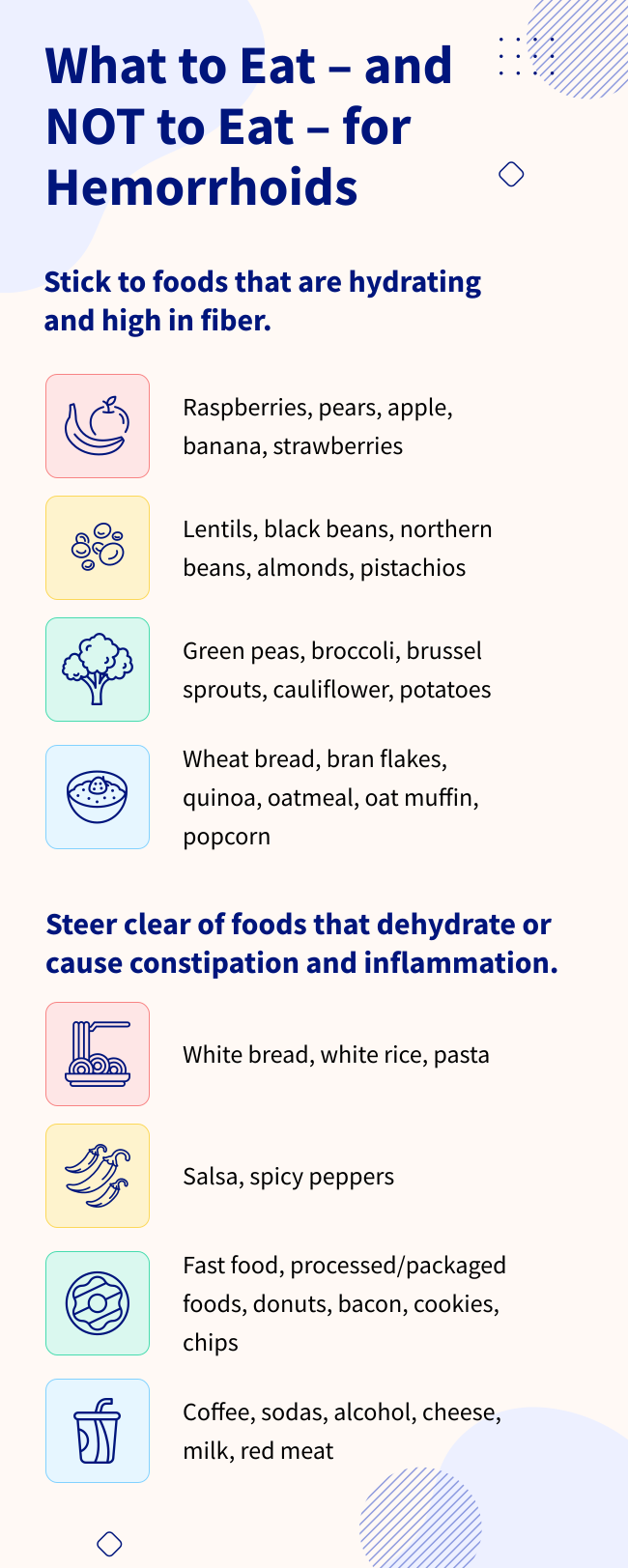
You'll get a lot of bang for your bite with the legume family. Just half a cup of beans, such as kidney, navy, lima, or black beans, will cover about a third of your daily goal. It will have between 7 and 10 grams of fiber (both soluble and insoluble), depending on which variety you choose.
About 20 almonds or pecans have around 3 grams of fiber. Half a cup of edamame offers the same amount, with about half the calories.
Instead of using just meat in chili and soups, add or substitute beans. You can also use beans and nuts in salads. Try Indian and Middle Eastern recipes, which often call for beans, lentils, and peas.
Grains
Swap white breads, pastas, and crackers for versions made with whole-grain flours, buckwheat, stone-ground cornmeal, or rye to boost the amount of insoluble fiber you'll get. Cooked oats and barley will give you soluble fiber, too.
Instead of a plain white bagel for breakfast, have a packet of instant oatmeal , which offers twice the fiber for less than half the calories. Reach for no-butter popcorn when you get the munchies. Sprinkle oat bran or wheat germ on salads and soups.
Fruits and Vegetables
You can't go wrong with plant foods. Keep the skins on when they're thin, like on apples, pears, plums, and potatoes. That's where the insoluble fiber is, as well as compounds called flavonoids that can help control hemorrhoid bleeding.
Brightly colored fruits and vegetables, such as berries, grapes, tomatoes, and kale and other dark, leafy greens, are generally rich in flavonoids. And the fresher, the better. Try to keep them whole, and don't damage the skins or leaves until you're ready to eat them. Avoid cooking to the point that their color fades.
A serving of fruit is often good for at least 10% of your daily fiber, usually 3-4 grams. A cup of leafy greens, broccoli, Brussels sprouts, winter squash, or green peas will get you 4-5 grams of fiber.
Some veggies and fruits have fiber plus a lot of water. Cucumbers, celery, mild bell peppers, and watermelon are mostly water — more than 90%.
Make a habit of adding another fruit or vegetable to any meal, like berries or bananas in your cereal, apple chunks on your salad, spinach in your omelet, or grated zucchini in your spaghetti sauce.
Snack on dried fruits like figs, apricots, and dates. Swap sugary baked desserts for fresh fruit — go for raw strawberries rather than strawberry pie.
What Foods to Avoid for Hemorrhoids?
Foods with little fiber can cause or worsen constipation (and therefore hemorrhoids), so it's best to limit how much you eat of them. They include:
- White bread and bagels
- Milk, cheese, and other dairy
- Meat
- Processed foods such as frozen meals and fast food
Iron supplements can cause constipation and other digestive problems, so talk to your doctor before you take them.
Hemorrhoid FAQs
What shrinks hemorrhoids fastest?
You can talk to your doctor about the fastest and best way to treat your active hemorrhoids. There are medical treatments that may help. Your doctor may also suggest some at-home treatments to speed the healing process. One option is taking a sitz bath, where you soak your bottom in warm water for about 15 minutes several times a day. You may also take psyllium husk supplements to increase your fiber intake, as well as over-the-counter ointments, topicals, wipes, etc., to ease your symptoms.
What are the worst things to do for hemorrhoids?
Be mindful of your bathroom habits when you have hemorrhoids. Two of the worst things you can do when you have hemorrhoids are spending too much time on the toilet and wiping too hard. You should also never be too shy to talk to your doctor if you think it could be something worse.
What triggers hemorrhoids to flare up?
The following things can trigger a hemorrhoid flare: straining to poop, lifting heavy objects, being pregnant, eating a low-fiber diet, being obese or overweight, spending too long on the toilet, chronic constipation or diarrhea, and having anal sex.
Why won't my hemorrhoids go away completely?
If your hemorrhoids won't go away or keep coming back and you've taken preventative measures such as dietary changes, it may be time to consult with your doctor about more advanced medical options.