Tips to Incorporate Exercise into Your Life with Type 2 Diabetes

Type 2 Diabetes Exercise Plan
If you’ve recently been diagnosed with type 2 diabetes, adding movement to your day can feel overwhelming, but it doesn’t have to be. You don’t need hours at the gym. Even short walks, dancing, or simple home exercises can make a difference.
Moving your body regularly can help control your blood sugar, support heart health, manage your weight, and boost energy. Start slow, find what you enjoy, and build a routine that fits your life.

You Don’t Need a Gym to Get Active
Move your body in ways that fit your life, time, and budget:
- At home or work: Walk during lunch, climb stairs, or do light chores.
- Try free online workouts: There are many online videos that can teach you yoga, strength training, or cardio. Follow anytime, anywhere.
- Make it fun: Dance to your favorite songs, take a scenic walk, or play outside with your kids.

Start Small: Even 10 Minutes Counts
Short sessions can give you the same benefits as longer workouts. Here’s how you can fit exercise into your day:
- Break it up: Try three 10-minute sessions instead of one long workout.
- Spread it out: Aim to move most days of the week, ideally no more than 48 hours between sessions.
- Mix it up: Combine activities that increase your strength, balance, or flexibility along with aerobic movement.

Pick Activities You Enjoy
Exercise doesn’t have to feel like a chore.
- Try something new: Keep it interesting and discover new activities like kayaking, kickboxing, or gardening.
- Pair it with something you like: Lift weights while watching your favorite show or play active games with your friends or family.
- Add music to movement: Listening to tunes while exercising can improve your mood and make activity feel easier.

Aim for 150 Minutes a Week
Reaching about 150 minutes of movement each week can support your health when you have type 2 diabetes. Instead of thinking of it as one long workout, try viewing it as short bursts of activity spread across your week.
Work out to raise your heart rate and breathing. At this level, regular activity can help your blood sugar, support healthy blood pressure, and protect your heart.

Build Strength and Flexibility
Build strength, flexibility, and balance to stay healthy with type 2 diabetes. Try:
- Strength exercises: Lifting weights, using resistance bands, or body-weight exercise help build muscle.
- Flexibility exercises: Stretching and yoga keep your joints moving smoothly and support good posture.
- Balance exercises: Simple balance drills, Pilates, or yoga may reduce your risk of falls or injuries.

Enlist Your Family and Friends
Exercising with others can make staying active easier and more enjoyable. Try these:
- Walk with a friend or family member: Take a walk during lunch or after dinner.
- Play together: If you have children, toss a ball, go for a bike ride, or enjoy other active games together.
- Join a class or group: Water aerobics, low-impact cardio, or light weight training can provide guidance and connection.
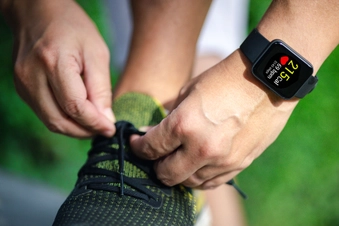
Set Realistic Goals
Setting achievable goals can help you build a lasting exercise habit without being overwhelmed. Start with small steps.
- Move a little at a time: If you sit most of the day, stand up and walk around twice every hour.
- Add minutes gradually: Start with short sessions and increase by about 10 minutes each week.
- Be specific and measurable: Choose goals you can track, like walking a mile each day.

Track Your Activity
Keeping a record of your movement can help you stay motivated and see how far you’ve come. Ways to keep track:
- Use a calendar or planner: Mark each workout or walk to see your weekly progress at a glance.
- Try an app or activity tracker: Track minutes, steps, or workouts automatically.
- Monitoring your activity helps you notice patterns, adjust your plan if needed, and stay inspired to keep moving.

Stay Safe While Exercising
Safety is key when exercising with diabetes.
- Watch your blood sugar: Check levels before and after activity to reduce the risk of low blood sugar.
- Stay hydrated: Drink water to keep blood sugar stable and prevent dehydration.
- Use proper footwear: Well-fitting shoes and regular foot checks reduce the risk of injury.
- Try helpful tools: Apps or wearable devices can help you monitor activity.


