This Story is from the WebMD Archive

WebMD archives video when it is identified as no longer medically accurate, to ensure our readers can easily find the most timely content.

See the latest news and features on Health A-Z

Content independently created by WebMD and supported by our partners. Learn More

Do You Need a New Treatment for Your
Major
Depressive
Disorder?

If you've been living with major depressive disorder (MDD) for a while, it's likely you're no stranger to depression treatment. Medications and other types of therapies can be incredibly effective at controlling the symptoms of depression — until sometimes they're not. Maybe medication once helped but doesn't seem to anymore. Maybe your symptoms are quieter, but you don't feel like yourself.
Treatment needs for MDD often change over time for most people. Depression isn't static, and neither is your body. That's why it's important to know why you might need a change, how to recognize when it's time to talk to your doctor, and what else can support your mental health along with medical treatment.

Why Treatment Needs May Change Over Time

If your treatment needs change over time, you're far from alone. It's rarely the case that depression treatment is a one-and-done solution. Treatments may work well for years and then lose their effects on you. That's because MDD is a long-term condition that can shift over time.

"Depression for most people is a cyclically recurring condition," says Steven Garlow, MD, PhD, a psychiatrist at UW Health and a professor of psychiatry at the University of Wisconsin School of Medicine and Public Health.

"There's always a high tide, low tide pressure going on. Even with good treatment, if it's a rising tide, sometimes that can overwhelm what had otherwise been an effective treatment," he says.

This is just one reason you may find yourself needing to rethink treatment. Other reasons include:

Biology and neurotransmitters

Depression is guided by brain chemistry that involves neurotransmitters (chemical messengers) like serotonin, norepinephrine, and dopamine.

Your genes can affect how medications work in your body. Genes affect medications in two main ways: how well a drug works and how quickly your body processes it. Because people metabolize medications at different speeds, you may feel less benefit from a drug while someone else taking the same dose feels more benefit. Some research also shows inflammation and other biological markers may play a role in how well medications work for some people. Over time, your brain may adapt to a medication as well.

"There's something about the antidepressant that shifts the brain in a certain direction that leads to relief of depression, but then once that shift has happened, if depression comes back, there's no more room for that medication to cause that change," Garlow says.

That doesn't mean nothing can help, but it may mean you need a different approach.

Loading...

Breakthrough depression and medication tolerance

Sometimes, depression returns or gets worse even when you're still taking medication. This can happen because of new stressors in your life like grief, job loss, illness, or relationship changes.

Heather Loeb, 41, who was diagnosed with MDD at 19, says she first noticed a big shift in her mood after a move.

"I relocated to a new town for my first job, and I didn't know anyone," she says. "I didn't have a single friend and I didn't know the area at all. Even though I was on medication, my depression got worse."

You may not be able to point to a clear reason for an uptick in your depression symptoms, which can seem like you've developed a medication tolerance (you need more medication to get the same effect). While there is evidence that some people develop tolerance over time, Garlow says it's more common to be having a plateau.

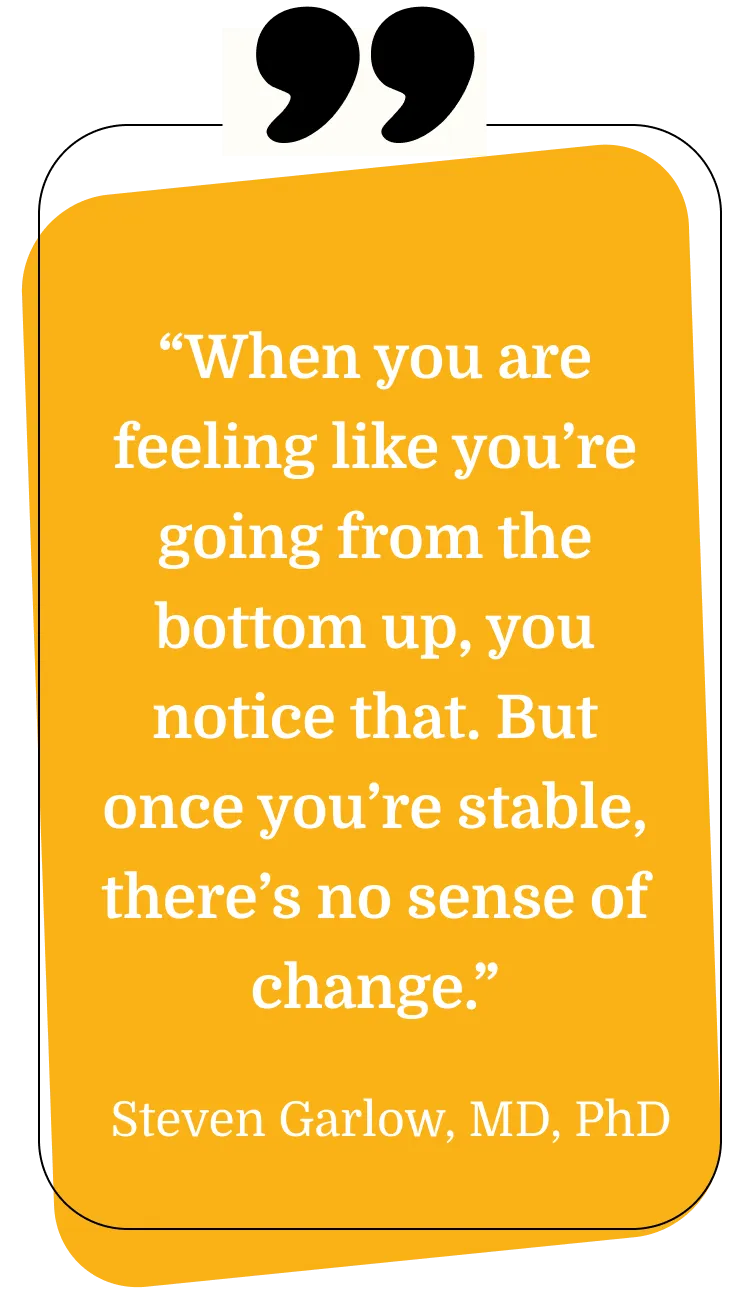
"When you're feeling like you're going from the bottom up, you notice that," Garlow says. "But once you're stable, there's no sense of change. So it's hard to say if that's fading of the benefit or tolerance to the medication."

Aging and metabolism

As we age, many things happen that can affect how your body processes medication. Your weight changes, your muscle mass changes, or you may have more or worsened health conditions. Your circulatory system slows down, and your liver and kidneys work more slowly, too.

"Your brain has changed, your body has changed, your physiology has changed," Garlow says. "A dose that worked 10 or 15 years ago may now be too much — or not enough."

Loading...

Body and hormonal changes

Other non-age-related changes can also affect your depression medications. Pregnancy, postpartum changes, perimenopause, and menopause can all affect not only your mood but your medication response. Loeb felt this firsthand after stopping antidepressants to breastfeed.

"I made it eight months," she says. "But things got bad and I needed to go back on an antidepressant. And I did, but about 16 months later, I got pregnant again and had horrible postpartum depression. That's when my doctor started talking to me about being resistant to my treatment and suggested we try other methods."

Other health conditions

Conditions like thyroid disease, diabetes, chronic pain, sleep apnea, or anxiety disorders can worsen depression or make it harder to treat. Sometimes a missed diagnosis for something like bipolar disorder can explain why standard antidepressants aren't helping.

"Getting the right diagnosis leads to the right treatment, and the right treatment leads to a better outcome," Garlow says.

Other medications and substances

Some medications, alcohol, and recreational drugs can interfere with antidepressants or worsen depression.

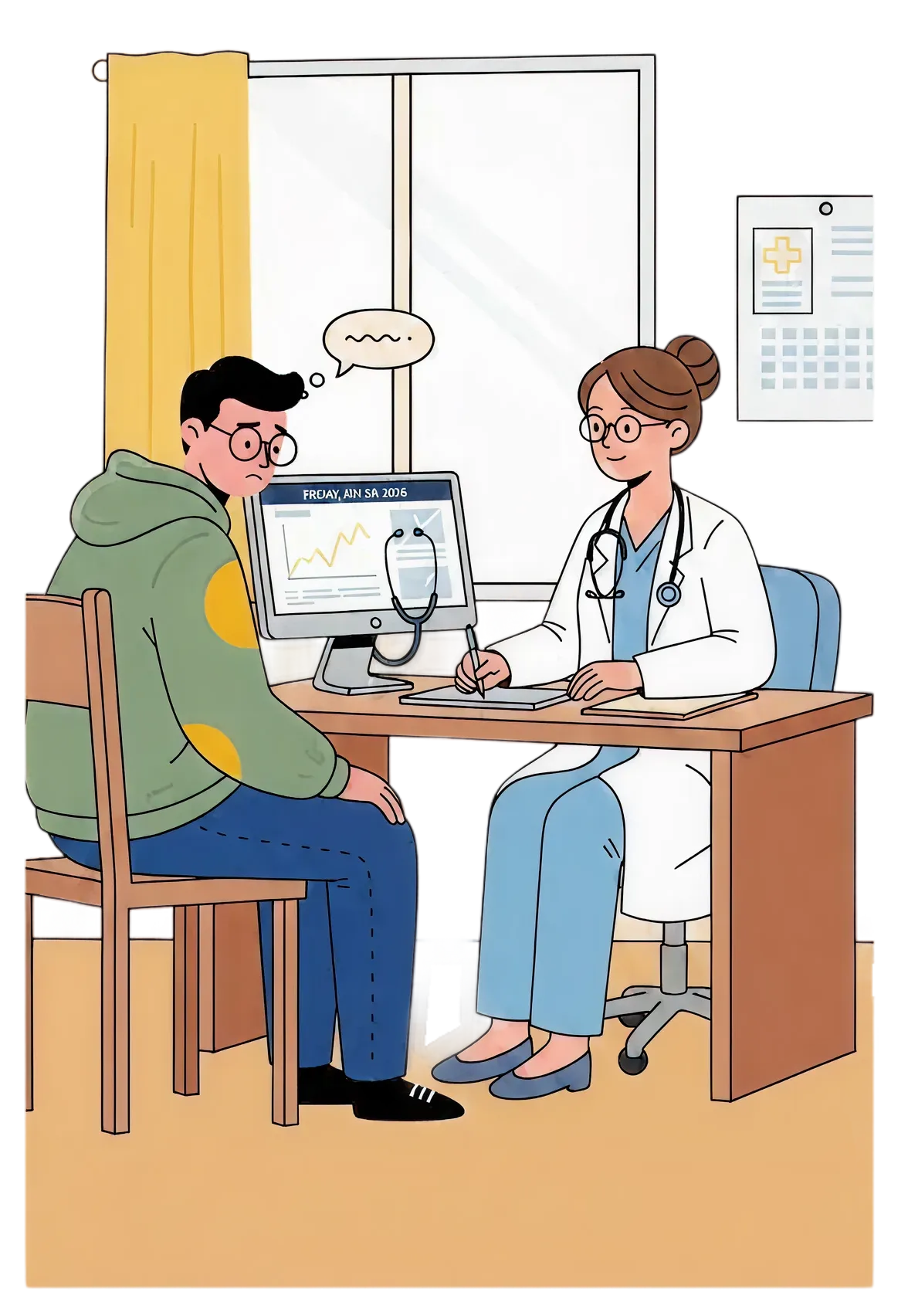
Signs It's Time to Talk to Your Doctor

It's important you don't stop or change your medication on your own. Some medications require a gradual decrease in dose, and sudden changes can cause unpleasant side effects.

Signs it may be time for a conversation about a medication change include:

  • Little or no relief of symptoms after you've taken your medication for a reasonable amount of time
  • Depression that worsens or returns after improvement
  • Feeling "numb" or emotionless
  • Severe medication side effects that affect your quality of life
  • New symptoms such as agitation, confusion, or a rapid heart rate
  • Feeling stuck
  • Loss of interest in things you enjoy
  • Thoughts of harming yourself
  • Suicidal thoughts (If you're self-harming or have suicidal thoughts, see a doctor right away — call 911 or go to an emergency room.)

How to prepare for the conversation

Go in ready for your appointment:

pencil-icon

Write down symptoms, side effects, and changes in mood.

bed-icon

Note sleep, appetite, energy, and stress levels.

journal-icon

Keep a journal or timeline of what's been happening.

question-icon

Bring questions, including whether complementary therapies might help.

Most importantly, be honest. It can be hard to admit when you're struggling, but once your doctor knows the full scope of what you're dealing with, they can help tweak your treatment to best fit your needs.

MDD Story: Complementary and Alternative Therapy

Lifestyle Factors for Depression Management

Medication and other therapies are crucial for depression management, but also important are the small choices you make each day that boost mental health and overall wellness.

"There is no treatment that's ever going to be enough by itself," Garlow says. Mental health providers serve our profession best if we're offering comprehensive, holistic approaches."

Lifestyle habits don't cure depression, but they can support recovery and make other treatments work better.

Diet

Try to keep to a regular meal schedule, and hit different food groups to promote balanced nutrition. You may find it helpful to limit processed foods and focus on whole foods to help stabilize your mood (no sugar crashes).

Exercise

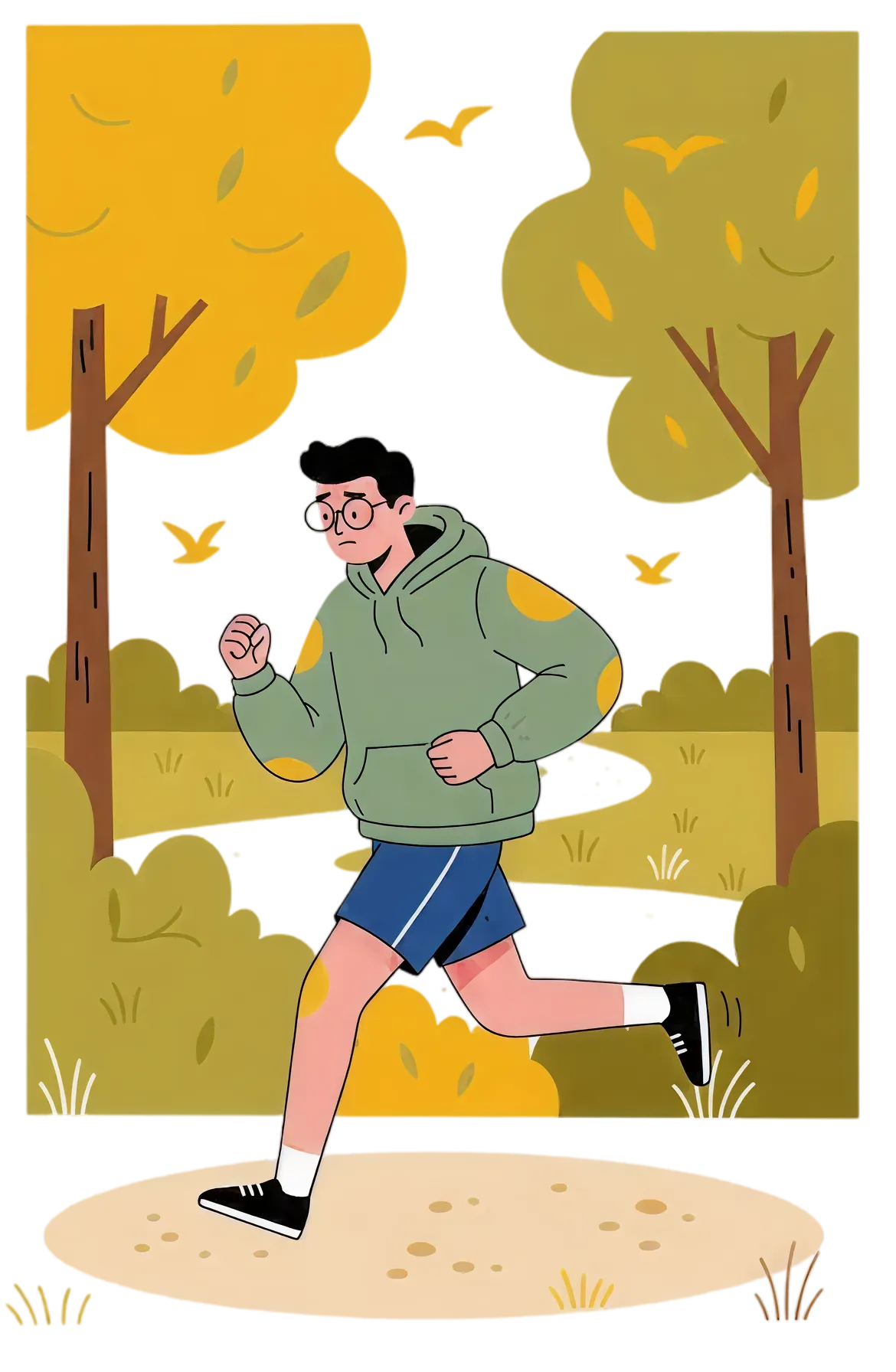
There's strong evidence that shows physical activity can improve depression. Any kind of regular movement helps, but you can double your benefit by going out into natural light as part of your workout. "Try to be outside and take a 30-minute walk in the morning in the daylight," Garlow says.

Don't strive for perfection — if you miss a day or two, or even three, that's OK. Start with a goal of a certain number of exercise days per month. Even 10 minutes can help.

Sleep

It's common for depression to cause insomnia or to make you sleep more hours than usual. This can cause a negative cycle, because poor sleep can make depression worse. It's worth a visit to your doctor to talk about sleep problems if you're having them — it's a crucial part of your depression management. Your doctor can make sure you don't have other issues affecting your sleep, such as sleep apnea, that need treatment.

Also important is practicing good sleep hygiene. These are practices that promote good sleep, such as keeping a consistent sleep and wake time, sleeping in a cool, dark room with no distractions, and winding down before bed without screens, heavy meals, or caffeine.

Stress management

Chronic stress fuels depression. You can't always avoid stress. Preventive practices such as therapy, mindfulness, breathing exercises, and setting boundaries can help reduce the effects of stress over time. Even focusing on hobbies and activities you enjoy can calm you and lift your spirits.

Relationships

"Social isolation is a major byproduct of depression," Garlow says. When you don't feel like doing your regular activities, you stop seeing the people you did those activities with. This can deepen your depression symptoms. Reach out and open up to people you trust so you're not alone.

Substance use

Alcohol and drugs can worsen depression and also interfere with your treatment. If you need help stopping, talk to your doctor.

The key to adopting mood-affirming lifestyle habits isn't trying to complete every self-care task every day, but to have a wide variety of options to choose from when times are hard, Loeb says..

Adopting mood-boosting habits doesn't have to be a complete life overhaul. Start small with one or two changes, and go from there, Garlow says.

"Don't think you have to take it all on all at once," he says. "Take on something that's doable, like a small little bite out of a problem to be solved. And then take a slightly larger bite."

checklist icon

MDD Self-Care Checklist

Alongside medical treatment, these habits can help support your mental state, mood, and body.

Avoid alcohol and recreational drugs.

Prioritize good sleep habits.

Get some form of exercise.

Eat healthy, whole foods.

Drink plenty of water daily.

Practice meditation and mindfulness.

Spend time on hobbies and activities you enjoy.

Share how you're feeling with your loved ones/therapist.

Finding Support From Loved Ones

You don't have to — and shouldn't — deal with your depression alone. Identify a support team and give them the tools they need to help hold you up when you're down.

They can also help with:

Medication reminders

Appointment scheduling

Transportation

Encouragement to
maintain routines

Have people in your corner who know not only that you're depressed but what it looks like when you're in crisis. Create a crisis plan and go through it with them. Loeb has one that she shares with her husband and a trusted friend.

"They know the signs to look for, who to call, and what actually helps," she says.

A crisis plan can include:

  • Nearby resources for mental health with phone numbers
  • Symptoms that mean it's time to go to a crisis center or hospital
  • Symptoms that mean it's time to call 911

Support groups

Along with your closest circle, you can find great emotional and practical guidance from groups designed for depression awareness, education, and support.

Loeb calls the National Alliance on Mental Illness (NAMI), an organization that offers groups for people with depression and for family members, "a lifeboat" for her. She now works as an affiliate leader for NAMI of Greater Corpus Christi, Texas.

NAMI offers a directory of peer-led support groups at www.nami.org.

"There's a camaraderie that you feel when you walk through the door of a NAMI organization, not just in my city, but in other cities," Loeb says. "Their support groups and classes are amazing. I've been to conferences, and I see myself in others there. There's never any judgment."

Adjusting to Your New
Treatment Plan

If your doctor decides it is time for a new treatment plan, you'll be looking at weaning off an old medication, starting a new medication or a combination of meds, a dosage change, or a complementary therapy.

taking-medicines

Steps to take

Track your symptoms.

Record any side effects.

Watch your sleep, stress, and habits.

Stick with the plan.

The process can be long, but it's worth it, Loeb says.

"It can be so frustrating because you have to wait weeks to see if a new medication is going to work," she says. "But if you know you're talking to a really good doctor, you just have to put faith in them and be hopeful. Hang in there. It's going to get better. The last few years have been some of the best of my life."

Learn More About MDD

Advances in Treatment for Major Depressive Disorder

Learn More

Cognitive Remediation for Major Depressive Disorder

Learn More

How Major Depressive Disorder Might Affect Your Sleep

Learn More