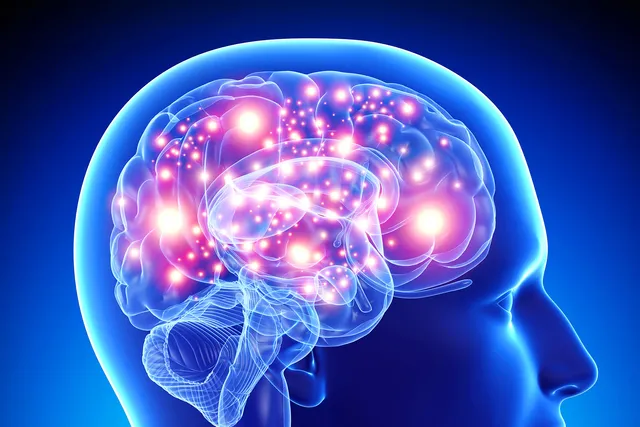
Depression, or major depressive disorder (MDD), is a mental health condition that affects how you think, feel, and handle daily life. It’s more than just feeling sad sometimes. Depression is a serious condition that often needs treatment to get better.
Standard antidepressants work well for most people. But 1 in 3 continue to have symptoms. That’s called treatment-resistant depression (TRD).
How do you know if you have treatment-resistant depression?
When you have TRD, your depression symptoms stick around even after you’ve tried at least two standard antidepressants at a sufficient dose for sufficient time; typically, selective serotonin reuptake inhibitors (SSRIs) or serotonin-norepinephrine reuptake inhibitors (SNRIs).
To give a medication a fair shot, you’ll need to take it exactly as prescribed for at least four to six weeks. Your doctor may call this an adequate trial. If you’ve done that and still don’t feel better, it may be time to consider other treatment options.
Symptoms of TRD are the same as major depressive disorder and can include:
- Low energy or mood
- Hopelessness about the future
- Loss of interest in activities you usually enjoy (anhedonia)
- Trouble concentrating
- Feeling guilty or worthless
You may also have:
- Low self-esteem
- Sleep changes (too much or too little)
- Weight changes (gain or loss)
- Tiredness that doesn’t get better with rest
- Thoughts about death or suicide
Without treatment, depression can make it hard to care for yourself and stay connected with others. You may not be able to keep up at work. In severe cases, it can even be life-threatening. The good news? Treatment for depression has come a long way in recent years.
People with TRD or moderate to severe depression have more options now. Instead of just focusing on brain chemicals like serotonin, dopamine, and norepinephrine — common targets of older medications — these new depression treatments work differently. Some act much faster.
What Are Fast-Acting Medications for Depression?
In the last two decades, researchers have learned a lot about how depression works in the brain. These discoveries have led to rapid-acting treatments. Symptoms that once took weeks or even months to improve now get better within hours or days.
Fast-acting treatments for depression include:
Esketamine (Spravato)
Esketamine is a nasal spray made from ketamine, an anesthetic. It belongs to a class of drugs called NMDA receptor antagonists. These medications help boost glutamate, a chemical messenger (neurotransmitter) that affects mood and energy.
Key facts about esketamine:
- It’s approved for adults with TRD or depression with suicidal thoughts and actions.
- It may start improving symptoms within two hours.
- It must be given at a doctor’s office or clinic.
- The effects typically last for several weeks.
Esketamine is approved for use alongside a traditional antidepressant, and that’s typically what doctors suggest. But some studies show it might also work on its own when taken regularly (usually every two weeks). There’s ongoing research in this area.
Intravenous (IV) ketamine
Ketamine is an anesthetic you get through a vein in your arm. While it’s not FDA-approved for depression, some doctors prescribe it off-label for people with treatment-resistant depression or moderate to severe depression.
A single treatment may help with serious symptoms of depression, like suicidal thoughts, within hours. The effects can last up to five days.
Key facts about ketamine:
- You must get treatment at a hospital or doctor’s office.
- The effects may last one to 10 days after the first dose.
- Symptom relief may last up to three weeks after six to eight doses.
- It might be used as add-on therapy (something you take with other treatments).
Ketamine isn’t safe for everyone, like pregnant women, those with high blood pressure, or psychosis, a condition that causes hallucinations or delusions. Ask your doctor if ketamine is right for you.
Some studies suggest ketamine works as well as electroconvulsive therapy (ECT) for treatment-resistant depression without psychosis. More research is needed to know if it might work for large groups of people.
Dextromethorphan/bupropion (Auvelity)
Auvelity is a pill you take every day, like standard antidepressants. It’s the first NMDA-targeting drug approved for adults with major depressive disorder that you take by mouth. This drug combines dextromethorphan (a cough suppressant) with bupropion (an atypical antidepressant).
Key facts about dextromethorphan/bupropion include:
- It may begin to ease depression within a week.
- Side effects are similar to those of other antidepressants.
- Unlike other fast-acting antidepressants, it’s safe to take on your own.
Since dextromethorphan/bupropion is an NMDA receptor antagonist, it works on the same brain chemicals as esketamine or ketamine. But it’s not as powerful, so you might still need those if you have suicidal thoughts or think you might hurt yourself.
If you’re interested in Auvelity, talk to your doctor. Since it’s a newer drug, not all health care providers are familiar with it. If you have health insurance, your insurer might say you need to try other treatments before they’ll pay for it. It can be costly without insurance coverage.
Antidepressants That Target Multiple Receptors
Atypical antipsychotics
Atypical antipsychotics are medications that are taken along with an antidepressant. They work by adjusting dopamine, serotonin, and norepinephrine levels in the brain.
Medications in this category include:
- Aripiprazole (Abilify)
- Brexpiprazole (Rexulti)
- Cariprazine (Vraylar)
- Lumateperone (Caplyta)
- Quetiapine (Seroquel)
Atypical and multimodal antidepressants
Atypical and multimodal antidepressants target multiple brain chemicals rather than focusing on one. They work differently than SSRIs. SSRIs mainly increase serotonin levels. Atypical and multimodal may fine-tune dopamine, norepinephrine, serotonin, and other signaling systems.
Medications in this category include:
- Agomelatine (Valdoxan)
- Mirtazapine (Remeron)
- Vortioxetine (Trintellix)
Selective norepinephrine reuptake inhibitors (SNRIs)
SNRIs are a newer class of antidepressants that often help people feel better faster than older medications. Scientists aren’t sure why, but many believe it’s because of the way it raises dopamine levels.
Medications in this category include:
- Duloxetine (Cymbalta, Drizalma Sprinkle)
- Desvenlafaxine (Pristiq, Khedezla)
- Levomilnacipran (Fetzima)
- Venlafaxine (Effexor, Effexor XR)
Tricyclic antidepressants (TCAs)
TCAs were introduced in the 1950s. They have a long history of being effective antidepressants. However, because of some of their bothersome side effects and higher risk of overdose, TCAs are typically not a first-choice treatment for depression.
TCAs work by blocking the “reuptake” of serotonin and norepinephrine. This leaves the feel-good chemicals in the brain for longer. They also block the work of other brain chemicals, like alpha-adrenergic, histamines, and muscarinic. Blocking these other receptors causes side effects, such as fever, low blood pressure, and dry mouth and skin.
Tricyclic antidepressants include:
- Amitriptyline
- Amoxapine
- Clomipramine
- Desipramine
- Doxepin
- Imipramine
- Nortriptyline
- Protriptyline
- Trimipramine
Advances in Brain Stimulation for Depression
Brain stimulation therapies work by turning certain electrical signals in the brain on or off. They offer another option for people who have moderate to severe depression and don’t respond to traditional treatments.
Here’s a closer look at recent advances:
Repetitive transcranial magnetic stimulation (rTMS)
This technique uses magnets to stimulate areas of the brain that affect your mood. The magnetic field used in rTMS is about as strong as an MRI scan. These pulses boost connections between nerve cells to ease depression symptoms, like helplessness and lack of pleasure (anhedonia).
rTMS is approved for:
- Treatment-resistant depression
- Depression with anxiety
- Depression with suicidality
- Obsessive-compulsive disorder
- Migraine
- Add-on treatment for people 15 years or older
When you get rTMS:
- You wear a skullcap with magnetic coils.
- You’re awake during the procedure.
- Sessions typically last around 40 minutes.
- You usually get treatment five days a week for four to six weeks.
If you get a rapid-acting form of rTMS, you may have multiple sessions in a day. This is known as an accelerated rTMS protocol, and it may ease symptoms within a week.
The procedure shouldn’t hurt, but you might get a mild headache, dizziness, or soreness in the area where they put the magnets. Your face and head muscles may tingle or twitch. There’s a small chance you might have a seizure, but side effects are generally mild and go away after the session.
Your doctor may suggest rTMS if you’re on an antidepressant and it’s not working. But it doesn’t work as fast as other brain stimulation techniques, like electroconvulsive therapy (ECT).
Electroconvulsive therapy (ECT)
Electroconvulsive therapy has been around for more than 80 years. Medical advancements have made it safer, more effective, and less likely to trigger side effects that affect your memory or thinking. ECT remains one of the best ways to ease severe depression that hasn’t responded to other treatments.
Your doctor likely won’t jump straight to ECT, but it may be an option for you if:
- You need to be hospitalized for depression.
- You have suicidal behaviors.
- Your depression symptoms might cause you to lose your job or family.
- You have delusions, hallucinations, or other psychotic symptoms.
During the procedure:
- Electrodes are placed on your scalp.
- You get anesthesia and a muscle relaxant so you’re safe and comfortable.
- While asleep, a technician sends electric currents directly to your brain.
- The procedure triggers a seizure that lasts about 60 seconds or so.
Around 10% of people may get some short-term memory loss, like forgetting events from the day of your procedure. Long-term memory loss is also possible. But there’s a very low chance ECT will make you forget big things in your life.
Deep brain stimulation (DBS)
Deep brain stimulation is considered an experimental treatment for depression, though the FDA granted it Breakthrough Device designation in 2022. It works by sending electrical pulses directly to your brain. You have to get a device surgically implanted into your body, so it’s not commonly used.
Psilocybin and Depression
Researchers have discovered that certain psychedelic drugs, like psilocybin, can help the brain grow new connections. As a result, there’s growing interest in using “magic mushrooms” to treat different types of depression, including major depressive disorder, treatment-resistant depression, and depression tied to a physical illness.
Studies show that medically supervised treatment with psilocybin is generally safe, well-tolerated, and eases depression symptoms for people who haven’t responded to other treatments. But psychedelic drugs haven’t been approved by the FDA to treat any mental health condition.
Here’s what research has found so far:
- A single 25-milligram dose eased depression for some people within eight days.
- Two doses eased depression for at least a year when paired with talk therapy.
- Repeat doses are linked to more symptom improvement.
- Psilocybin works well to ease depression due to a life-threatening illness.
Future Treatments for Depression
Researchers are studying several promising drugs that target different pathways in the brain. These include.
SAGE-217. A type of fast-acting antidepressant.
mTor inhibitors. Drugs that target pathways involved in cell growth and repair.
More ketamine-like medications. Drugs that work on NMDA receptors or other pathways.
K+ channel blockers. These focus on parts of the brain that control electrical activity.
Anti-inflammatory drugs. There’s strong evidence that inflammation plays a role in depression.
Advances in Depression Treatment FAQs
What are some new depression treatments?
New treatments for depression include fast-acting therapies like esketamine nasal spray (Spravato) and the oral NMDA-targeting drug dextromethorphan/bupropion (Auvelity). There’ve also been advances in brain stimulation techniques for treatment-resistant depression, such as repetitive transcranial magnetic stimulation (rTMS).
What are FDA-approved treatments for depression?
There are several classes of antidepressants, including:
- SSRIs
- SNRIs
- Tricyclic antidepressants
- Monoamine oxidase inhibitors (MAOIs)
- Atypical antidepressants
- NMDA receptor antagonists
Other treatments include esketamine nasal spray (Spravato) and brain stimulation.
Can smartphone apps treat depression?
In 2024, the FDA approved the first smartphone app to help with treatment of major depressive disorder. It’s called Rejoyn. The app offers a six-week program that includes cognitive-behavioral therapy (CBT) and other emotional exercises. It’s designed as an add-on treatment to medication.
Are psychedelics approved to treat depression?
Psychedelics, like psilocybin (magic mushrooms) and MDMA (ecstasy), are not yet approved by the FDA to treat depression. But they’re being studied in clinical trials. Early research shows they boost brain connections and may help ease symptoms, especially for treatment-resistant depression.
Show Sources
Photo Credit: Science Photo Library/Getty Images
SOURCES:
Gerard Sanacora, MD, PhD, the George D. and Esther S. Gross professor of psychiatry, Yale School of Medicine; director, Yale Depression Research Program; co-director, Yale New Haven Hospital Interventional Psychiatry Service.
World Psychiatry: “Treatment-resistant depression: definition, prevalence, detection, management, and investigational interventions.”
The New England Journal of Medicine: “Ketamine versus ECT for Nonpsychotic Treatment-Resistant Major Depression.”
Mayo Clinic: “Depression (major depressive disorder).” "Lumateperone (oral route)."
The BMJ: “New and emerging treatments for major depressive disorder,” “Efficacy of psilocybin for treating symptoms of depression: systematic review of meta-analysis.”
American Journal of Psychiatry: “Synthesizing the Evidence for Ketamine and Esketamine in Treatment-Resistant Depression: An International Expert Opinion on the Available Evidence and Implementation.” “Adjunctive Cariprazine for the Treatment of Patients With Major Depressive Disorder: A Randomized, Double-Blind, Placebo-Controlled Phase 3 Study.”
Northwestern Medicine: “Ketamine Treatment for Mental Health.”
Psychopharmacology Bulletin: “Brexanolone to Treat Postpartum Depression in Adult Women.”
Clinical Psychopharmacology and Neuroscience: “Dextromethorphan-bupropion (Auvelity) for the Treatment of Major Depressive Disorder.”
National Institute of Mental Health: “Brain Stimulation Therapies,” “New Hope for Rapid-Acting Depression Treatment.”
Translational Psychiatry: “Recovering from depression with repetitive transcranial magnetic stimulation (rTMS): a systematic review and meta-analysis of preclinical studies.”
Frontiers in Network Physiology: “rTMS in mental health disorders.” “Effectiveness of Vortioxetine in Patients With Major Depressive Disorder in Real-World Clinical Practice: Results of the RELIEVE Study.”
Faculty Reviews: “Recent advances in electroconvulsive therapy in clinical practice and research.”
Yale Medicine: “Electroconvulsive Therapy (ECT) Has Changed: What You Should Know.”
National Institutes of Health: “How psychedelic drugs may help with depression.”
The Journal of the American Medical Association: “Single-Dose Psilocybin Treatment for Major Depressive Disorder.”
Journal of Psychopharmacology: “Efficacy and safety of psilocybin-assisted treatment for major depressive disorder: Prospective 12-month follow-up.” “Lumateperone for the Treatment of Major Depressive Disorder With Mixed Features or Bipolar Depression With Mixed Features.”
JAMA Network Open: “Acute Adverse Effects of Therapeutic Doses of Psilocybin: A Systematic Review and Meta-Analysis.”
Med: “Psilocybin-assisted psychotherapy for treatment resistant depression: A randomized clinical trial evaluating repeated doses of psilocybin.”
Psychiatric Research: “Psilocybin-assisted therapy for depression: A systematic review and meta-analysis.”
Psychiatry: “Acute Adverse Effects of Therapeutic Doses of Psilocybin: A Systematic Review and Meta-Analysis.”
Neuron: “Altered connectivity in depression: GABA and glutamate neurotransmitter deficits and reversal by novel treatments.”
Neuropharmacology: “Role of the AMPA receptor in antidepressant effects of ketamine and potential of AMPA receptor potentiators as a novel antidepressant.” “SNRIs achieve faster antidepressant effects than SSRIs by elevating the concentrations of dopamine in the forebrain.”
Translational Psychiatry: “The involvement of K+ channels in depression and pharmacological effects of antidepressants on these channels.”
American Journal of Managed Care: FDA Approves Lumateperone as Add-On Therapy for Major Depressive Disorder.
American Journal of Psychiatry Residents' Journal: “A Brief Review of Cariprazine.”
Brain Sciences: “Agomelatine: A Potential Multitarget Compound for Neurodevelopmental Disorders.”
Cleveland Clinic: Aripiprazole Tablets, Antidepressant Discontinuation Syndrome, Levomilnacipran Extended-Release Capsules.
Current Neuropharmacology: “The Role of Levomilnacipran in the Management of Major Depressive Disorder: A Comprehensive Review.”
Dove Press: “Adjunctive agomelatine therapy in the treatment of acute bipolar II depression: a preliminary open label study.”
FDA: Rexulti Prescribing Information; Abilify Prescribing Information; Caplyla Prescribing Information, Cariprazine Prescribing Information; Trintellix Prescribing Information
Journal of Affective Disorders: “Augmentation strategies for treatment resistant major depression: A systematic review and network meta-analysis.”
National Alliance on Mental Health (NAMI): Brexpiprazole (Rexulti); Mirtazapine (Remeron), Venlafaxine (Effexor)
National Library of Medicine: Quetiapine; Mirtazapine, Tricyclic Antidepressants, Screening for Depression in Adults and Older Adults in Primary Care: An Updated Systematic Review [Internet], Duloxetine
Pharmacology & Therapeutics: “Vortioxetine, a novel antidepressant with multimodal activity: Review of preclinical and clinical data.”