Living Your Best When Your Child Has Phenylketonuria

Educate Yourself
PKU doesn’t have a cure, but you (and later your child) can manage it with diet. This requires understanding the condition. Learn more about PKU through credible medical websites and by asking questions of your child’s PKU care team. No question is too small or silly. You’re equipping yourself with the knowledge you need to help your child thrive.
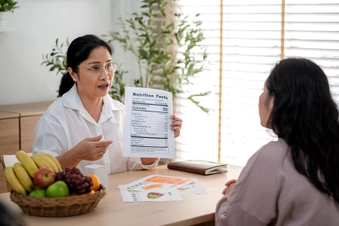
Work With a Dietitian
Your child will need a strict low-protein, no artificial sweetener diet and may even need special formulas. A registered dietitian with knowledge about PKU can be a lifeline, setting you up with meal plans and a deeper understanding of ways you can provide and teach your child healthy nutrition for life.

Keep Detailed Records
Your child will see a doctor regularly to monitor how well their treatment and diet are working. When you track the foods they eat (including exact amounts) along with any symptoms, your child’s care team can get an accurate picture of how they’re doing over time and make adjustments as needed.

Connect With Other PKU Families
Many parents feel better when they get to know other families who live with PKU. Parents of older children with PKU can help you learn about managing diet and preparing special foods. It can also be helpful to see children with PKU growing and doing well. Your PKU care team may be able to connect you with another family, or you can find resources through organizations such as the National PKU Alliance.

Plan Ahead for Meals Out
Eating outside the house can sometimes pose obstacles for a PKU diet, so come prepared. Look at the menu online before you go. If you have questions about it, call the restaurant to ask. Bring food from home, even if it’s simple snacks.

Involve Your Child Early
Let your child have a role in meal planning (give them choices between several “safe” options) and cooking so they learn from a young age how to manage their diet and feel ownership over their PKU care. Teach them how to measure portions and track phenylalanine (Phe) levels as they get older.

Try a Team Mentality
Although everyone in the family may not be able to eat exactly the same foods, it can help if some parts of the meal are similar so your child doesn’t feel singled out or excluded. Have a side or two that is PKU-friendly so mealtime can feel as communal as possible, with some variety as needed.

Teach Others
Because PKU is rare, you may find yourself having to explain it to others often. Create a script of bullet points you can share quickly and easily to help normalize it. You can say something simple like, “PKU is a genetic condition that prevents my child’s body from breaking down a specific amino acid, so they have to avoid certain foods that could cause a buildup of this amino acid and harmful symptoms.”

Be Your Child’s Advocate
When you speak up with questions for your child’s care team and stay proactive about what your child needs at daycare and school, not only will they be better cared for, but they will also learn how to be an advocate for themselves as they get older.

Care for Your Mental Health
It’s normal to feel stress from time to time when you care for a child with PKU, but when it’s impacting your daily life and emotional well-being, seek help. Talk to your doctor, loved ones, or a licensed mental health professional so you can provide the best care for your child and yourself.


