Manage Side Effects of Treatment for PDAC With RAS Mutations

Do Your Research
Learn all you can about the side effects of RAS inhibitors. Start with your doctor and care team. They can explain how these meds might affect you. You may also want to check out trusted sources, like the American Cancer Society or the FDA. Lastly, read the patient information sheet that comes with your medicine. It will tell you what side effects happen most often and when to call your doctor.

Take Time to Rest
Fatigue is a common side effect of RAS inhibitor drugs. You’ll probably feel more tired than usual. Quality rest supports your immune system and gives you more energy. What’s more, being well-rested can make it easier to manage other side effects. Get at least seven hours of sleep at night. During the day, take it easy, and nap when your body needs extra rest.

Change Your Diet
You may have symptoms like diarrhea, upset stomach, or nausea. A bland diet can help. Try to eat soft, plain foods like bananas, potatoes, rice, baked chicken, applesauce, or toast. They are easier to digest and less likely to irritate your stomach. Avoid fried, spicy, or greasy foods. Also, eat smaller meals more often.

Stay Hydrated
It’s easy to become dehydrated on RAS inhibitors, especially if you have stomach issues like diarrhea or vomiting. Be sure to sip water frequently throughout the day. You may want to try sports drinks, broths, or coconut water to replace fluids and electrolytes. It’s a good idea to avoid caffeine and alcohol, as they can dehydrate you more.

Take Care of Your Mouth
Sometimes, targeted medicines can cause painful mouth sores or changes in taste. To ease the irritation, keep your mouth clean. Rinse with a gentle solution like salt, baking soda, and water. Or try an alcohol-free mouthwash. Brush regularly after meals with a soft toothbrush for more comfort.

Keep a Symptom Log
It’s important to keep track of side effects. One way to do this is with a daily log. That way, you won’t have to rely on your memory alone. Here’s what to record:
Your symptoms
How severe they are
When they started
Whether they got better or worse
This information can help your doctor see patterns and make dose changes if needed.

Seek Mental Health Support
Life with PDAC can be emotionally draining. With the right support, you can better manage the stress of treatment. A mental health professional may help you sort through your negative feelings. You might also benefit from a PDAC-specific support group. These groups let you connect with others who share your same diagnosis.

Stay Active
Regular exercise can help you regain energy that your targeted medicines might zap away. Research shows people who stay active may also tolerate their cancer treatments better. You don’t have to exercise intensely. A simple walk or light stretching is enough to provide benefits.
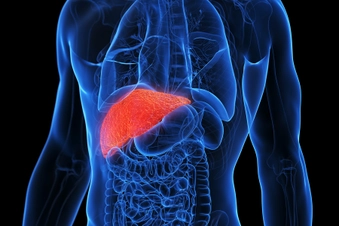
Don’t Ignore Your Liver
RAS inhibitors can cause serious liver problems. Watch for signs like yellow skin and eyes or dark-colored pee. Also, keep all of your lab appointments so your medical team can monitor the health of your liver. And avoid alcohol, which can make liver issues worse.


