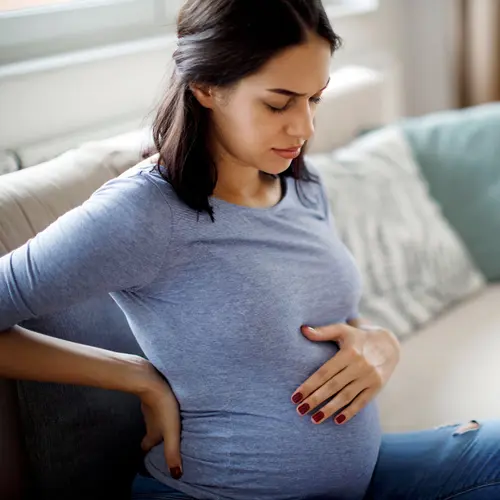
Tension headaches and migraine headaches are common for six weeks after your pregnancy ends (postpartum). That’s because your body is going through changes as it returns to pre-pregnancy condition. Those changes, along with stress of caring for a newborn, raise your headache risk. In the meantime, there are easy ways to manage postpartum headaches and lessen your pain.
How common are postpartum headaches?
About 40% of people report headaches in the first several weeks after giving birth. They’re painful but rarely serious. Half of the people who report migraine before they were pregnant will have them after giving birth.
What Are the Types of Postpartum Headaches?
There are primary headaches and secondary headaches. Both can happen postpartum.
Primary headaches
These aren’t caused by another condition. The pain can be hard to live with, but the headache isn’t dangerous. The pain is caused by swelling in your blood vessels, muscles, and nerves in your neck and head. Types of primary headaches include:
- Migraine: Typically felt on one side of your head, migraine can cause throbbing pain, nausea, and sensitivity to light, noise, and smells.
- Tension headaches: These usually cause pain on both sides and may sometimes include sensitivity to light and sound.
- Cluster headaches: Often felt on one side of your head, behind one eye, cluster headaches can happen at the same time of day for several weeks.
- Hypnic headaches: These occur at night, typically in people between the ages of 40 and 80.
Secondary headaches
These can be more serious. They usually come out of nowhere and cause severe pain. They can be caused by another health problem that triggers pain in your neck and head, such as:
- Head injury
- Neck injury
- Brain infection
- Brain tumor
- High blood pressure
- Aneurysm
What Causes Postpartum Headaches?
Common causes include:
Having an epidural. There’s a chance spinal fluid will leak out when you have an epidural. This can change the pressure of fluid around your brain, causing a headache.
Decline in hormone levels.The sharp dip in your estrogen levels can cause postpartum headaches. This is especially true for migraine headaches, which are very sensitive to hormone changes.
Caring for a newborn. The demands of an infant can cause you to not drink enough water, skip meals, and lose sleep. These increase your headache risk.
There are more serious conditions that can cause headaches, so see your doctor if you have sudden and severe head pain.
How Is a Postpartum Headache Diagnosed?
Your doctor will ask about your symptoms, including their timing and location, to decide if your headache is primary or caused by a serious medical condition. If they think a serious issue may be the cause, they may order neurological, imaging, and blood tests.
What Do Postpartum Headaches Feel Like?
This depends on the type of postpartum headache you have. You may feel a mild pressure on both sides of your head, a severe throbbing pain on one side of your head, or a dull ache that gets worse when you sit up or stand.
How Long Do Postpartum Headaches Last?
They can last a few days or a few weeks after you give birth. You’ll probably get them less often after the first six weeks of having a baby. Give your body time to adjust to the changes you’re going through. Let your doctor know if your headache is severe or doesn’t go away.
How Are Postpartum Headaches Treated?
Over-the-counter medications, self-care, and stress management are often very effective for headaches after pregnancy. Here are some tips:
- Get more sleep.
- Eat a well-balanced diet.
- Drink more water.
- Use a cool compress or ice pack.
- Rest in a dark and quiet room.
- Take small amounts of pain relievers, such as acetaminophen or ibuprofen.
- Drink small amounts of caffeine.
- Get a massage.
If you’re breastfeeding, be careful about the over-the-counter medications and natural remedies you try. Some drugs can get into your breastmilk and reach your baby. Acetaminophen and ibuprofen are safe to take in normal doses, but it’s best to talk with your doctor first.
If your headache results from other health problems, your doctor might give you IV fluids, high blood pressure medication, or other pain medications that are safe for breastfeeding. They may also recommend bed rest.
Sometimes headaches are caused by having an epidural. If your headache doesn’t get better with other treatments, your doctor may give you a blood patch to help.
When Should I Be Worried About Postpartum Headaches?
While postpartum headaches aren’t usually serious, severe and sudden ones may signal a medical emergency. That may include postpartum preeclampsia, stroke, or a blood clot in your brain. Talk to your doctor immediately if you have:
- Blurred vision or sensitivity to light
- Confusion or brain fog
- Nausea and vomiting
- Swelling in your face, hands, or feet
- Pain near your ribs
- Shortness of breath
- Seizure
If you have any of these, seek emergency medical attention.
Can Postpartum Headaches Be Prevented?
Not usually. Hormonal changes are part of having a baby and not something you can avoid. But healthy lifestyle habits, which are easy to forget when you’re caring for a newborn, may help. Try to take care of yourself, too. Planning ahead may help prevent headaches. Keep snacks handy, along with any doctor-approved headache medication.
Takeaways
In the first several weeks after giving birth, 40% of people report headaches. The headaches are painful but rarely serious. Half of the people who had migraine headaches before being pregnant will have them postpartum. But severe and sudden postpartum headaches that happen alongside other symptoms may be signs of a medical emergency. Seek immediate medical care if you have symptoms such as a seizure, blurry vision, or shortness of breath.
Postpartum Headache FAQs
Is it normal to have a headache after giving birth?
Yes. Headaches are common for six weeks after your pregnancy ends.
Can postpartum depression cause headaches?
Yes. A headache may be a symptom of postpartum depression.
Can low iron cause headaches after giving birth?
Yes. Having low iron after giving birth, called postpartum anemia, can cause headaches.