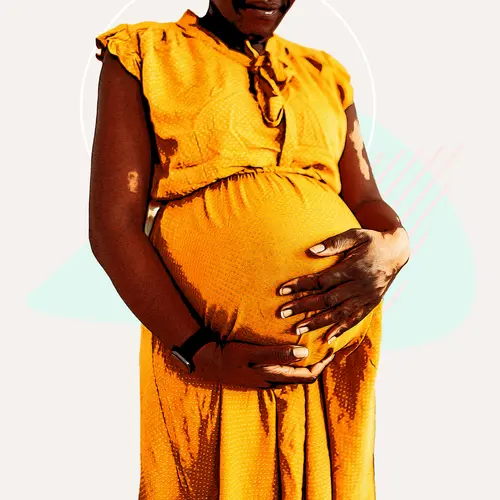
When you’re pregnant, you’re not immune to aches and pains. In fact, you might feel some new twinges that are caused by hormonal changes and your growing belly.
Your doctor may have told you not to take any medicine without checking with them first. You might wonder: Do you need to check with them even if you just want to pop a pain reliever?
The simple answer is: yes. You should ask your doctor before you take any medication, even if it’s just an over-the-counter pill meant to relieve pain. Such medicine may seem harmless enough, but the rules change when you’re carrying a baby.
Some medicines aren’t safe to take when you’re pregnant — the even over-the-counter ones.
Drug Type | Safe During Pregnancy? | Potential Risks |
| Acetaminophen (Tylenol) | Yes, in standard recommended doses | Does not increase risks to the parent or fetus during pregnancy |
| Aspirin | Safe in low doses, especially for those with the blood-clotting condition preeclampsia | Higher doses during the first trimester can increase your risk of miscarriage, as well as the chance of the fetus developing rare but serious kidney conditions or other congenital defects |
| Nonsteroidal anti-inflammatory (NSAID) drugs (Advil, Aleve, Motrin) | Not recommended during pregnancy | Can cause kidney problems in fetuses after week 20 of pregnancy |
| Opioids (OxyContin, Percocet, Vicodin) | Not recommended during pregnancy, unless necessary | Can increase risk of opioid use disorder (OUD) in the parent, as well as the risk for congenital defects in the brain, spine, and heart of the fetus |
Acetaminophen
This common over-the-counter medication may be your pain reliever of choice if you have a fever, a headache, or joint or muscle pain. You can buy acetaminophen over the counter by itself or in combination with other medicines. Your doctor can also prescribe it at higher doses, alone, or combined with other medications as well.
Most pregnant women can take acetaminophen if their doctor agrees. It’s the most common pain reliever that doctors allow pregnant women to take. Some studies show that about two-thirds of pregnant women in the U.S. take acetaminophen sometime during their nine-month stretch.
Just avoid acetaminophen if you’re allergic to it, if you have liver problems, or if your doctor says it’s not safe for you.
Even if your doctor says it’s OK to take acetaminophen, take as little of it as you can for as short a time as possible. Acetaminophen isn’t linked to big problems such as miscarriage or birth defects, but studies suggest that babies could later feel the effects.
Some research has shown that taking acetaminophen daily, or almost daily, during the second half of your pregnancy increases your baby’s odds of wheezing or having asthma.
NSAIDs
You may have taken ibuprofen plenty of times in your adult life, but your doctor will likely ask you to take something else to treat fever, headaches, and muscle pain when you’re pregnant. Nonsteroidal anti-inflammatory drugs (NSAIDs) are sold over the counter and by prescription, but there are safer choices for pregnant women.
Some studies have found that taking NSAIDs (aspirin, celecoxib, ibuprofen, naproxen) during the early part of pregnancy may raise your risk of miscarriage.
Research has also looked at the link between NSAIDs and birth defects. Some studies suggest that taking NSAIDS early in pregnancy may slightly increase the risk of heart or gastrointestinal (digestive) defects in babies.
But more research is needed to prove that NSAIDs cause these problems. Even though the link hasn’t been proven, your doctor may suggest you take acetaminophen instead.
NSAIDs are definitely not recommended during the last three months of your pregnancy because they can cause a blood vessel in your baby’s heart to close before it should. If this happens, it can cause high blood pressure in your baby’s lungs.
Taking NSAIDS can also make it harder for you to go into labor or can reduce the level of amniotic fluid that surrounds the fetus in your womb. For these reasons, you should only use NSAIDs under your doctor’s supervision to ensure no problems crop up.
Opioid Painkillers
Opioids (codeine, morphine, oxycodone) are a class of strong medicines that doctors can prescribe to treat pain. They’re also the most commonly abused prescription medications in the U.S.
Some studies suggest that opioid use can increase your odds of having a baby with certain birth defects, such as a heart problem. They also may raise your chances of premature birth, preterm labor, or having a stillbirth.
If you already take opioids, your doctor may advise continuing them during pregnancy, as a sudden stop could harm your health or your pregnancy. Instead, they may want to lower the amount of medicine you take at a gradual pace to prevent any withdrawal symptoms.
But if you take opioids during your pregnancy, your baby will be exposed to them in the womb and could become addicted. They will go through withdrawals from them after they’re born. This is called neonatal abstinence syndrome, or NAS. NAS can be serious and could cause the fetus to be too small or have breathing problems, even if you take the opioid exactly as prescribed.
Pregnancy-Safe Pain Relievers FAQs
What painkiller can I take while pregnant for a toothache?
Take acetaminophen for a toothache during pregnancy.
What is the least harmful painkiller during pregnancy?
The American College of Obstetricians & Gynecologists recommends taking acetaminophen during pregnancy to treat pain.
What is the strongest painkiller I can take while pregnant?
Ideally, you won’t need to take any painkiller stronger than acetaminophen during pregnancy, but in rare cases, your doctor may prescribe you an opioid (or narcotic) pain reliever if absolutely necessary. Take these medications for exactly as long as your doctor prescribes them and at the lowest dose you can.
Is Tylenol safe during pregnancy?
Yes, Tylenol, or acetaminophen, is safe to take during pregnancy. Claims that taking the drug during pregnancy is linked to higher rates of autism or ADHD are not backed by scientific evidence.