Foods That Can Lead to Higher Uric Acid and Gout Attacks
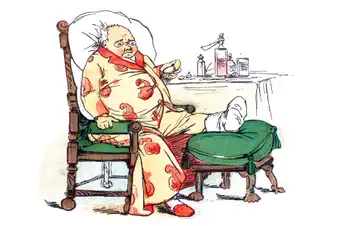
Gout and Your Diet
For centuries, gout was called the disease of kings because it was linked to overindulging. But these days, anyone eating the typical Western diet is at risk. Many foods have high levels of purines. On top of that, your body makes purines. When purines break down, uric acid forms. If your body can't get rid of all of the uric acid, the excess uric acid can crystallize. Uric acid crystals can form kidney stones or deposit into joints, causing a painful gout flare. Along with taking your medications as prescribed, watching what you eat also is key to controlling gout.

A Balancing Act
For gout, guidelines suggest following a low-purine diet. But purines can't be avoided completely. And maybe they don't have to be. The U.S. Department of Agriculture lists the amount of purine in common foods. But where and how a food was produced and how it was cooked can change its purine content. Also, you may process purines differently, depending on the food. One approach for gout is to avoid foods with the highest amounts of purines, limit those with moderate amounts, and focus on those with low or no purine. The following list can help.
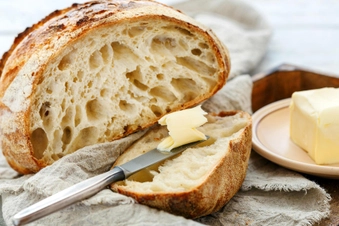
Yeast and Yeast Extracts
Eating a lot of yeast-rich foods from sourdough bread to beer, can cause changes in the gut that, over time, prompt your body to make more uric acid. It's the yeast in beer that makes it a problem when you're trying to manage gout. Even nonalcoholic beers have yeast and high purines. Other foods high in yeast include ripened cheeses (such as blue cheese and gorgonzola) and cereals (you'll see malt syrup or malt extract in the ingredients). Better choices: Fresh (unripened) cheeses like cottage cheese, cream cheese, or feta in moderate amounts.

Alcohol
While the yeast in beer is a known gout trigger, alcohol doesn't have to have any purines to raise your risk of an attack. That's because liquor interferes with your body's ability to get rid of uric acid. Spirits, like gin, whisky, and vodka, are the worst culprits. There's mixed evidence about whether wine, with its healthy polyphenols, is less of a problem. Better choices: Mocktails with no-sugar-added mixers and smoothies made with fruit and milk.
Sugary Foods
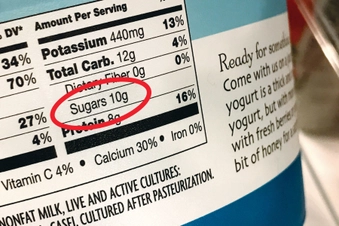
A high-sugar diet is linked to high uric acid levels. Fructose in particular gets much of the blame because it raises uric acid production in your liver. Always read labels on packaged foods because so many have added sugars – not just cookies and cakes, but also cereal, crackers, and other snack foods, and even soups and dressings. Better choices: Nuts and fresh fruit. Two daily servings of fruit may cut gout risk by more than 25%. Cherries and citrus fruits are top choices that may even help reduce uric acid levels.

Foods With High-Fructose Corn Syrup
Among added sugars, high-fructose corn syrup deserves a callout. Besides being in foods, it's common in sugar-sweetened drinks like sodas, fruit drinks, sports and electrolyte beverages, and prepared teas. These drinks account for about a third of all added sugars in our diet. Sugar-sweetened drinks of all types are linked to gout, as well as to obesity and insulin resistance, a risk factor for diabetes. Scan drink labels for all forms of sugar. Better choices: Herbal teas; milk, which may reduce flares; coffee to help the body better process purines; and water to help kidneys flush out uric acid.
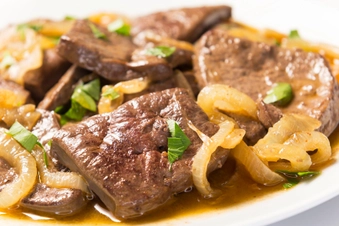
Organ Meats
Picture a food pyramid when it comes to meat and avoiding gout. Organ meat, like liver, giblets, kidney, brain, and sweetbreads, are at the top. They're very high in purines and can spike levels of uric acid. Even if brains aren't on the menu at your house, keep in mind that many types of sausages contain organ meat, including liverwurst, blood sausages, and andouille. Ask before you buy at specialty shops or read labels on pre-packaged meats. Better choices: Plant-based proteins like tofu and legumes like dried beans and lentils.
Other Red Meat and Poultry
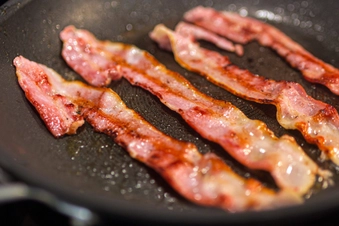
Goose, venison, rabbit, and other game meats are higher in purines than lean beef and poultry are. Though beef often gets a bad rap for other health concerns, lean cuts of beef have fewer purines than veal, lamb, and chicken with the skin. Fresh meat also has less purine than processed meat like bacon. Turkey is higher in purines than chicken, but it's most important to steer clear of deli turkey and all luncheon meats since processing increases purines. Better choices: Lean cuts and skinless poultry because the combination of animal protein and animal fat has a snowball effect on uric acid.
Shellfish
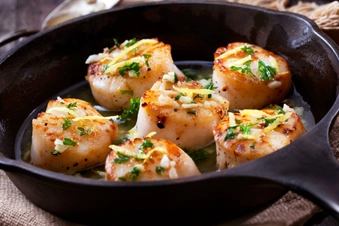
The good news about shellfish is that not every kind is high in purines. The key ones to avoid or eat in limited amounts are mussels and scallops. Better choices: Crab, lobster, shrimp, and oysters are considered more moderate sources of purines. Have them in limited amounts and note which, if any, seem to bring on a gout flare.
Fish
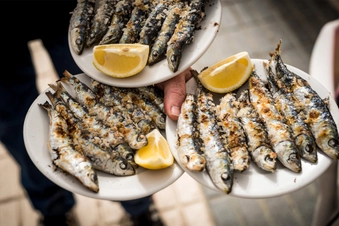
With all the attention given to shellfish for a low-purine diet, you might not know that many types of fin fish are on the list of foods to avoid. Anchovies, sardines, herring, mackerel, trout, salmon, tuna, and haddock have high amounts of purine. Canned or otherwise processed versions are even higher. Since many of these have healthy omega-3 fatty acids, eat them in moderation. If you choose to skip them, ask your doctor if you should take a supplement. Better choices: Fish on the lower end of the purine ranking are cod, perch, pike, and sole.
Plant-Based Purines
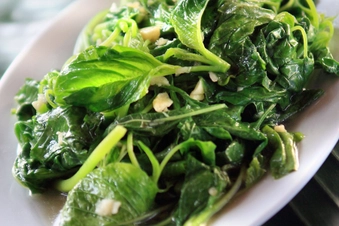
In a surprising exception to guidelines for avoiding foods with purine, plant-based foods with high levels don't seem to contribute to gout flare risk. Tasty choices include oats, legumes (beans, peas, and lentils), cruciferous vegetables, spinach, and mushrooms. It could be that their nutrients and fiber have a protective effect. A study found that eating at least one daily serving of a whole-grain cereal, cooked oatmeal, or oat bran lowered gout risk. Whole grains help manage blood sugar, and that's particularly helpful if you have both gout and diabetes or prediabetes.

The Right Amounts
While certain foods have been linked to gout flares, there's no specific gout diet. But you can make smarter choices to live better with gout. Research has found that the amount of high-purine foods you eat in a day makes a difference. For example, people who have one or no daily meat servings have lower uric acid levels than those eating two or more servings. Findings were similar for seafood. As with so many things, moderation matters. Keeping a journal can help you spot patterns that lead to gout flares … or keep you flare-free.

Where Diet Fits Into Your Gout Plan
You don't have to do a lot of math to keep purines in check. Some healthy diets like the Mediterranean diet and the DASH diet are naturally lower in purines. Still, diet alone is probably not enough to manage gout, even if you were to completely give up high-purine foods and alcohol. On the other hand, if your doctor prescribed medication, the right diet can help make your meds work even better.


