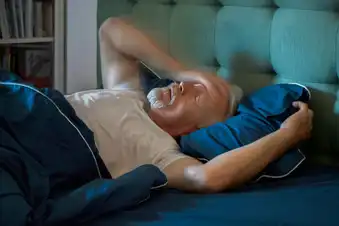
A gout attack is brewing long before you feel its first twinge. Gout develops when your body experiences an overload of uric acid, the waste formed when your liver processes compounds called purines. Your body makes purines naturally, but they’re also in many of the foods you eat. When your body produces too much uric acid or your kidneys don’t excrete it well, the acid buildup can crystalize. And those needlelike crystals may lodge in one or more of your joints. It’s the crystals that cause the pain and other symptoms of a gout attack.

Factors that put you at greater risk for developing gout include being overweight or having obesity, having uncontrolled high blood pressure, and having a family history of gout. Other chronic conditions like diabetes, metabolic syndrome, heart disease, and kidney disease may increase your risk, too. Alcohol is another key risk factor because it both increases uric acid and decreases how well it’s excreted by the kidneys. Beer hits you with a double whammy because it’s also loaded with purines from the yeast. Purines are found in many of the foods we eat, yet not everyone gets gout. Here’s how to tell if you may be having a gout attack.
 

1

Gout Attack Sign: Timing

A gout attack usually starts in the middle of the night, while you’re sleeping and without warning. It often rouses you from sleep, although it’s possible to not feel symptoms until you wake up in the morning. An acute attack is actually the second stage of gout progression but the first noticeable one.

What you can do: Call your doctor’s office; leave a message if it’s after regular hours. Because gout can mimic a life-threatening bacterial infection of your joint, you should get checked right away.

2

Gout Attack Sign: Intense Pain

A gout attack is extremely painful. It may start out as moderate discomfort but will quickly worsen. Many people describe the pain as an 8 out of 10. It can be so severe that you find it hard to stand or walk on the affected foot.

What you can do: If you aren’t already being treated for gout with flare medications you have on hand, take an over-the-counter pain reliever like ibuprofen or naproxen. Don’t take aspirin — it can make a gout attack worse.

3

Gout Attack Sign: Swelling

You’re very likely to have severe swelling in and around the affected joint. Your toe might be quite enlarged from the tip to the base, and the swelling may extend into your foot.

What you can do: Use pillows to raise your foot above the level of your heart to encourage fluid to drain away from the toe.

4

Gout Attack Sign: Redness

Along with swelling, you’ll see redness or even a purple shade on the skin over the painful joint. Your skin may look shiny and feel warm to the touch. It can almost look infected, another reason to get a fast diagnosis. (As the attack subsides over time, your skin may peel and feel itchy.)

What you can do: Place an ice pack wrapped in a thin towel over the joint to reduce some of the inflammation and help dull the pain. If you can tolerate it, keep it in place for 20 minutes at a time. Repeat a few times a day.

5

Gout Attack Sign: Location

Most gout attacks happen in and around a big toe. Though less common, other areas of the foot, like the instep, can be affected as well as joints elsewhere on the body. The ankle, knee, or elbow are common sites. These are all places where uric acid crystals can deposit and cause inflammation. 

What you can do: Give the affected joint TLC by resting it as much as you can. In other words, elevate, ice  and try to stay off your foot. This can help get you started on the route to recovery faster. Aggravating the joint by walking on it can lengthen the attack.

6

Gout Attack Sign: Tenderness

You may find it impossible to touch the affected toe. Even the weight of a bedsheet may feel like a ton of bricks. You may also notice that the toe and surrounding area feel warm. These are both signs of inflammation caused by the uric acid crystals.

What you can do: When you need to get around during a flare, use an assistive device like a cane to take some of the load off your affected foot.

7

Gout Attack Sign: Stiffness

Stiffness often rides along with swelling and can make it hard to move your joint. You’ll likely have limited range of motion in your big toe and any other joints that have come under attack.

What you can do: Keep up with your intake of healthy beverages to help your body get rid of excess uric acid. Aim to double the usual recommendation of eight glasses a day. Water is the top choice, followed by herbal teas, skim milk, and even some coffee.

8

Gout Attack Sign: Fever/Chills

Other symptoms that mimic an infection are fever and chills. Both can worsen right along with pain during the course of a gout attack.

What you can do: Soothe yourself in the same ways you do when you have a bad cold or the flu. Rest and relax. Distract yourself with favorite pastimes to ease stress, which can make the attack feel even worse.

9

Gout Attack Sign: Peak Pain

The pain of a gout attack typically peaks somewhere between 12 and 24 hours. Pain and other symptoms then slowly ease but can hang around for up to two weeks, especially if you don’t get treatment.

What you can do: Lingering pain and pressure on your big toe can make it difficult to wear clothes. To keep feet warm, cut off the big toe section of your sock. Remove the entire tip of your sock if all of your toes are affected. That way the rest of your foot can stay warm without irritating your inflamed toe.

10

When to See Your Doctor

Schedule a doctor visit any time you feel intense, debilitating pain. With gout, even though the symptoms subside, it’s important to get a diagnosis and start treatment. Without care, you’ll keep getting gout attacks, and they can get progressively worse. You also risk permanent joint damage. Call your doctor when you feel the first symptom. You may be able to get fast relief from steroid injections or other medicines.

11

Why to See a Rheumatologist

While a primary care doctor can often diagnose and treat gout, it can be a tricky condition to manage. You may benefit from seeing a rheumatologist. These specialists are experts in inflammatory arthritis, and they know the ins and outs of gout care. For instance, preventive medications shouldn’t be prescribed until an attack is fully over. This specialist is also more likely to be up to date on the latest treatments. Some medicine helps your body break down or make less uric acid and keep it from crystallizing. Others help your body excrete more uric acid.
 

Show Sources

Photo Credit: E+/Getty Images

SOURCES:

Arthritis Foundation: Gout,” “4 Stages of Gout and the Early Signs to Watch Out For,” “Managing a Gout Flare.”

Mayo Clinic: “Gout Overview.”  

American Addiction Centers: “Gout & Alcohol: Does Alcohol Use Affect Gout?”

Johns Hopkins Medicine: “Symptoms and Diagnosis of Gout.”

Cleveland Clinic: “Gout,” “Gout Low-Purine Diet.”

Hospital for Special Surgery: “Gout In Depth: Risk Factors, Diagnosis and Treatment.”

Gout Education Society: “Gout Symptoms,” “How to Get Immediate Gout Pain Relief.”

NHS Inform: “Gout.”

Stanford Medicine: “Gout Symptoms.”

National Kidney Foundation: “What to Eat (and Avoid) If You Have Gout.”

Nutrients: “Gout and Diet: A Comprehensive Review of Mechanisms and Management.”