Pulmonary arterial hypertension (PAH) can zap your energy, making everyday tasks challenging. An important way to stave off exhaustion and still accomplish the things most important to you is to take a fresh approach to meeting goals. Let go of things that aren't as meaningful as you thought and put less emphasis on racing against the clock. A slower pace can still get you where you want to go.
Reset Priorities
Make a list of the activities and tasks that you spend time on. Then rank each one according to what matters most. Focus on items at the top of the list, and plan out which ones can be done on which days of the week. You might need to cut back on the amount of time you spend on activities each day based on your energy level. But you won't have to give up what's meaningful to you if you pace yourself.
Break Tasks Into Chunks
Whether work projects, household chores or favorite hobbies, they will take longer to accomplish than they used to. It may require many sessions at a slower pace to achieve a goal that you might have been able to meet in one afternoon, but it can still be done. Break down each to-do into small, manageable blocks, and let yourself enjoy a sense of satisfaction after completing each one.
Build In Rest Periods
An effective way to cope with fatigue is to schedule a rest break after every activity block. This pattern can help you avoid exhaustion and actually accomplish more over the course of each day. Work with your doctor to understand the various levels of breathlessness and the signs that tell you it's time to take a pause.
Remember Your Meds
Don't overlook the value of pulmonary arterial hypertension medications when it comes to your energy level. Managing your condition not only helps to slow its progress but also helps you feel less tired. If you have a hard time remembering to take them, set reminders on your phone. If you're avoiding them because of side effects, talk to your doctor right away to get back on track.
Adjust Your Work Hours
If you want to keep working but don't have your old stamina, ask your employer about a more flexible schedule. Working from home, even on some days, saves you the stress of commuting. Or try starting and ending your workday earlier if you have more energy earlier in the day. Also, set up your workstation so that everything you need is at hand.
Adapt Your Exercise Plan
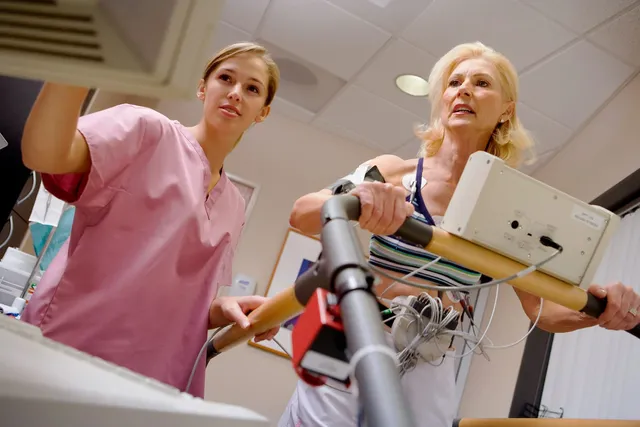
Being physically active can often give you more energy because it improves your heart and lungs, plus it's great for overall wellness. But always get guidelines from your doctor since even mild exercise could be too much for you, depending on your PAH. Consider a pulmonary rehab program. You'll learn the right exercises for you and how to pace yourself while doing them.
Organize Your Stuff
It's important to move, but don't exhaust yourself by hunting down everyday items around the house. Keep your eyeglasses, cellphone, remote, and daily medications within easy reach. If you place them on a small cart with wheels, you can easily take them with you from room to room. In the kitchen and bathroom, have your most frequently used items on the counter and vanity to avoid constantly bending or reaching overhead.
Grab Assistive Devices
There are many gadgets that can help make tasks less taxing. In the kitchen, use reachers to grab items on a high shelf, and use small appliances like an electric can opener and a food processor to make food prep easier. In the bath, add a toilet riser to your toilet to limit bending and a shower seat to limit fatigue from standing up.
Put Delivery Services on Speed Dial
Conserve your energy by getting items you'd usually shop for in person sent to your home. This can redirect your energy to more meaningful pursuits. It's not only big box and online stores that deliver. Many of your local merchants might offer the service as well, from grocery and specialty stores to your drugstore and cleaners. Good nutrition is important for your health, but if you don't want to spend your energy cooking, look into meal delivery services.
Apply for Handicapped Parking
When you do drive places, you'll find that it's a lot easier if you don't have to walk far once you've parked. Talk to your doctor about the process for getting a handicapped parking permit, and save your energy for the actual activities you've planned. When shopping, choose stores that offer motorized carts for cruising the aisles.
Adapt to Weather Conditions
Being outside during weather extremes can be exhausting. Both very high and very low temperatures can stress your body and zap your energy. Ask your doctor for ways to exercise at home when you need to stay indoors as well as how best to stay hydrated.
Don't Be Shy: Ask for Help
Reach out to friends and family for assistance. Chances are that your loved ones want to pitch in but don't know how to ask. It helps if you're specific with requests, such as going with you to doctors' appointments or bringing over a meal once a week. If you have children, even young ones can learn to do chores with you. What's more, helping out will instill them with a sense of responsibility and accomplishment.
Show Sources
Photo credit: Photo Credit: DigitalVision/Getty Images
SOURCES:
Pulmonary Hypertension Association: "Conserving Your Energy With PH," "Working with Pulmonary Hypertension," "Weather and PH."
Lung Foundation Australia: "Pulmonary Arterial Hypertension."
Golden Jubilee University Hospital (UK): "Coping with Symptoms."
Temple Health: "4 Tips for Managing Fatigue with Pulmonary Hypertension."
Cleveland Clinic: "Pulmonary Arterial Hypertension."
European PH Association: "Living with Pulmonary Arterial Hypertension:
Supporting You to Manage and Achieve Your Goals."
Pulmonary Hypertension Association of Canada: "Items that make living with pulmonary hypertension easier."