Chronic obstructive pulmonary disease (COPD) is an umbrella term for conditions that cause inflammation and damage in your lungs, making it hard to breathe and to get enough oxygen. The most common types are emphysema and chronic bronchitis.
While there is no cure for COPD, medications can control your symptoms and slow down the progression. Corticosteroids, or steroids, are also used in COPD treatment, but you may have reasons for wanting to avoid using them regularly. You have several medication options that work well and don't contain steroids.
What Are Nonsteroid Medications for COPD?
Nonsteroid medications do several things to improve the symptoms of COPD. Some relax the muscles in and around your airways, while others control inflammation. They can be used for quick relief when you have a flare-up of symptoms, also called an exacerbation, and they can also help you have fewer flare-ups.
These medications come in two main forms:
Short-acting. These take effect quickly and work for four to six hours. They're also called rescue medications. You take them whenever you need them, like when your symptoms are worse. If your symptoms are mild and you don't have flare-ups often, this might be the only kind of medicine you take.
Long-acting. These work for 12-24 hours or longer. Also called maintenance or controller medications, you take them long term to control your symptoms and prevent flare-ups. They're often used for COPD that's moderate or severe.
You might use both short- and long-acting medications.
Types of Nonsteroid COPD Medications
Nonsteroid medications for COPD fall into these main classes:
Bronchodilators
These medicines relax the muscles inside your airways so they can open wider and let more air in. They can relieve coughing and make it easier to breathe. These are powders or liquids that are turned into a mist you breathe in. You may use a hand-held inhaler or a machine called a nebulizer.
Beta2-agonists are the medicines prescribed most often for COPD. They come in both long- and short-acting forms. They activate a chemical signaling process that tells muscles inside the walls of your airways to relax, and they can help you get rid of mucus. These are medicines you inhale. Choices include:
- Albuterol (ProAir, Proventil, Ventolin)
- Arformoterol (Brovana Neb)
- Formoterol (Perforomist Neb)
- Levalbuterol (Xopenex)
- Olodaterol (Striverdi Respimat)
- Salmeterol (Serevent)
Muscarinic antagonists (anticholinergics) block certain chemical signals that cause the muscles around your airways to tighten, and can also cause you to make less mucus. They are inhaled medications and can be either short- or long-acting. Your doctor might recommend:
- Aclidinium (Tudorza Pressair)
- Glycopyrrolate (Lonhala Magnair)
- Ipratropium (Atrovent)
- Revefenacin (Yupelri Neb)
- Tiotropium (Spiriva)
- Umeclidinium (Incruse)
Combination medications contain both a beta2-agonist and a muscarinic antagonist. The FDA has approved these short- and long-acting combination drugs for COPD:
- Aclidinium and formoterol (Duaklir Pressair)
- Glycopyrrolate and formoterol (Bevespi Aerosphere)
- Ipratropium bromide and albuterol (Combivent Respimat)
- Olodaterol and tiotropium bromide (Stiolto Respimat)
- Umeclidinium and vilanterol (Anoro Ellipta)
A type of bronchodilator that's used less often is theophylline (Elixophyllin, Theo-24, Theochron). This is a pill you would only get if you can't take an inhaled medication, or if those don't work for you.
Anti-inflammatories
These medicines help you breathe by lessening swelling in your air passages. Some also act as a bronchodilator. Steroids are an example of this type of anti-inflammatory medication, but there are several nonsteroid options.
Phosphodiesterase (PDE) inhibitors are long-acting medications that you take every day. The two medications approved by the FDA for treating COPD work in different ways.
Roflumilast (Daliresp) is a pill prescribed along with long-acting bronchodilators to treat severe COPD if you have a lot of flare-ups. It blocks the action of an enzyme called PDE4 that contributes to inflammation in your lungs.
Ensifentrine (Ohtuvayre) is an inhaled medication you take twice a day through a nebulizer. It blocks both PDE4 and PDE3, a different enzyme that tightens the muscles in your airways. It also helps open the airways but is not used for COPD flares. You can take this medication either alone or along with bronchodilators for moderate to severe COPD.
Biologics are injectable drugs that you take either once or twice a month, along with other COPD medications. They act like natural immune system proteins that block processes that cause inflammation in some people with COPD, so you'll have fewer flares. Your doctor might recommend a biologic if blood tests show you have a high level of inflammation-causing white blood cells called eosinophils. The biologics approved for COPD are:
- Dupilumab (Dupixent)
- Mepolizumab (Nucala)
Antibiotics
They don't treat COPD directly, but you might be prescribed antibiotics during an exacerbation. A lung infection, like pneumonia, can make COPD worse. If it's caused by a bacteria, an infection can be treated with antibiotics.
The choice of antibiotic will depend on the type of bacteria causing the infection and whether you have medication allergies, but some that are commonly used for lung infections are:
- Augmentin
- Azithromycin
- Cefpodoxime
- Doxycycline
For some people, taking azithromycin long-term can help prevent exacerbations.
What Are the Benefits of Nonsteroid COPD Medications?
Nonsteroid COPD medications are very effective at helping your breathing day to day, reducing the number of flare-ups you have, and getting quick control of symptoms when you do have a flare-up. Steroids also work very well to lower inflammation so you can breathe more easily, especially during a flare-up, but they can cause some serious side effects. If you take steroid medications for a long time, you're more likely to have:
- Weight gain
- Diabetes
- Weak bones
- Cataracts
- Frequent infections
Plus, steroids you breathe in can cause bruising, mouth infections, and hoarseness.
If you can get good long-term control of your symptoms by using nonsteroid medications, you won't need to take steroids as often.
Possible Side Effects of Nonsteroid COPD Medications
Most people can take nonsteroid COPD medications without serious problems. The side effects you might have are different, depending on which one you take.
Beta2-agonists: Shakiness, nervousness, fast or irregular heartbeat
Muscarinic antagonists: Dry mouth and eyes, constipation, urine retention, fast heartbeat
PDE inhibitors: Nausea, diarrhea, weight loss, back pain, high blood pressure
Biologics: Allergic reactions, infections, back pain, diarrhea
Theophylline: Nausea, trouble sleeping. Rarely, irregular heartbeat or seizure
How to Use These Medications Correctly
To get the most benefit, take your medication exactly the way your doctor tells you. Long-acting medications need to be taken every day, even if you're feeling better. With short-acting medications, be clear on when you should take them. It may be when you find yourself suddenly short of breath, or you're having a symptom flare-up.
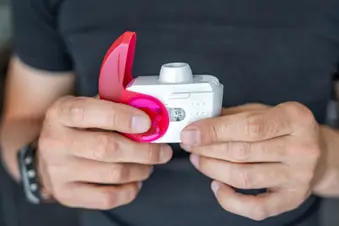
You take most COPD medications with an inhaler or nebulizer, and it can be harder than you might think to use one properly. Someone at your doctor's office, your respiratory therapist, or your pharmacist can show you how the device works, how to take your medicine, and how to clean the device. Keep asking questions until you're comfortable with the process.
Devices are all a little bit different, but the general concept is the same:
Inhalers: The medicine is preloaded in the device. You breathe it in through a mouthpiece, hold your breath for several seconds, and breathe it out.
Nebulizers: You pour the medicine into a cup attached to a mouthpiece or mask. Tubing runs from the cup to a machine that turns the medicine into a mist you breathe in.
Do You Still Need Steroids?
Doctors don't recommend using inhaled steroids by themselves for long-term maintenance for COPD. But they might be a good option along with a beta2-agonist, a muscarinic antagonist, or both if you have:
- Moderate to severe disease and a high risk of having an exacerbation
- Both COPD and asthma
- A high level of eosinophils in your blood
Combination drugs that include a steroid and are FDA-approved for COPD are:
- Budesonide and formoterol (Breyna, Symbicort)
- Budesonide, glycopyrrolate, and formoterol (Breztri Aerosphere)
- Fluticasone and salmeterol (Advair, AirDuo RespiClick, Wixela Inhub)
- Fluticasone and vilanterol (Breo Ellipta)
- Fluticasone, umeclidinium, and vilanterol (Trelegy Ellipta)
It's also common to take steroids in pill form for a short period of time to get a symptom flare under control, such as dexamethasone, methylprednisolone, or prednisone.
When to Call Your Doctor
You'll have regular checkups and tests to see how well your treatment is working. But in between, you should let your doctor know if you're having exacerbations more often, which may mean you need to adjust your treatment, or if you have signs of a lung infection. Watch for:
- Coughing that's worse
- Change in the mucus you cough up
- Worse trouble breathing
- Wheezing
- Fever or chills
- Extreme tiredness or weakness
Questions to Ask Your Doctor
- Which medication is best for my particular COPD symptoms?
- How do I take this medication/use this device?
- What side effects can I expect?
- I have other health conditions. How will COPD affect them?
- What symptoms indicate an emergency?
- Are there any restrictions that I need to follow?
- Do I still need to take steroids?
- What should I do if I'm having a flare-up?
- What else can I do to stay healthy?
- When should I follow up?
Show Sources
Photo Credit: Tatiana Dyuvbanova/Dreamstime
SOURCES:
National Heart, Lung, and Blood Institute: "What Is COPD?"
Mayo Clinic: "COPD."
University of Florida Health: "COPD - Quick-Relief Drugs," "COPD - How to Use a Nebulizer."
American Lung Association: "Understanding Your COPD Medications," "Asthma and COPD Medications," "Treating Community-Acquired Bacterial Pneumonia," "How to Use COPD Medication Devices," "How to Use a Nebulizer," "Prevent a COPD Exacerbation or Flare Up."
COPD Foundation: "Treatment and Medications for COPD."
Institute for Quality and Efficiency in Health Care: "Chronic obstructive pulmonary disease (COPD): Learn More – Medication for COPD."
StatPearls: "Beta2-Receptor Agonists and Antagonists," "Muscarinic Antagonists."
American Thoracic Society: "Medicines for COPD."
Chronic Obstructive Pulmonary Diseases: "Phosphodiesterase Inhibition as a Therapeutic Strategy for Chronic Obstructive Pulmonary Disease: Where We Have Been and What Lies Ahead."
Microbiology Research: "New Antibiotics for Lower Respiratory Tract Infections."
American Journal of Health-System Pharmacy: "Management of Chronic Obstructive Pulmonary Disease: A Review Focusing on Exacerbations."
European Respiratory Journal: "What to use INSTEAD of inhaled corticosteroids in COPD?"
Cleveland Clinic: "Beta-agonist," "Anticholinergic Drugs," "Inhalers," "Chronic Obstructive Pulmonary Disease (COPD)."
Ohtuvayre.com: "Prescribing Information."
Nucala.com: "Prescribing Information."
Dupixent.com: "Prescribing Information."


