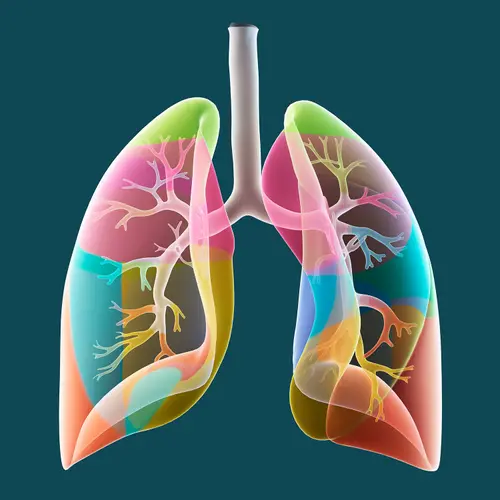
Small-cell lung cancer (SCLC) is a rare type of cancer where damaged or abnormal cells of the lung start growing uncontrollably. The cells can form clumps called tumors or growths and can spread to other parts of the body.
There are two types of SCLC: small-cell carcinoma (sometimes called oat cell carcinoma) and combined small-cell carcinoma. The combined version of SCLC has components of the more common form of lung cancer (non-small-cell lung cancer), such as squamous cell or adenocarcinoma. SCLC accounts for about 13% of the estimated 229,000 cases of lung cancer that will be diagnosed this year. Almost everyone who gets lung cancer is an adult.
What Causes It?
About 98% of all SCLC is caused by smoking. Cigarette, cigar, and pipe smoke contains thousands of chemicals that are known to cause cancer. The chemicals damage the DNA of the lung’s cells. DNA is what tells our cells how to grow. In addition, the smoke itself creates inflammation in the lungs, which leads to chronic tissue damage and repair, which allows more mutations to happen.
Symptoms
SCLC doesn’t always cause symptoms until the disease has advanced significantly, says Kelsey Pan, MD, MPH, an assistant professor at Emory University School of Medicine’s Department of Hematology and Medical Oncology.
“Small-cell lung cancer is a type of aggressive neuroendocrine tumor that rapidly divides. It can go from zero to 100 in a matter of months, and most of the tumors are silent, depending on the mass,” she says. “Most of the time it may not cause any symptoms until the cancer metastasizes and you get symptoms from those tumors.”
Since every case of SCLC is different, it’s important to recognize the signs, including:
- Shortness of breath, which happens when a tumor starts compressing the airways, making it hard to breathe
- Chest pain or pressure
- Facial swelling
- Coughing up blood or blood-tinged mucus
- Unintentional weight loss, especially if you are eating the same amount of food and haven’t started a diet
- Headaches, confusion, dizziness, and vision changes if the cancer metastasizes to the brain
- Abdominal pain or jaundice, which manifests as yellowing of the skin and whites of the eyes if the cancer metastasizes to the liver
- Fatigue
- Decreased appetite
Getting a Diagnosis
When you go to the doctor, they will ask you questions about how you are feeling and listen to your heart and lungs. They will take a medical history, too, and ask you about your smoking history and if anyone in your family has been diagnosed with cancer. If your doctor suspects lung cancer, they may suggest tests. These may include:
- Imaging tests. Your doctor will typically start with a chest X-ray or CT scan to see if the images show any masses, abnormalities, or fluid in the lungs. If they see something unusual or abnormal on the X-ray, they may order a more precise imaging scan such as an MRI or PET scan. These advanced imaging tests can create detailed pictures of the inside of your chest and lungs. Doctors may also use contrast dye, inserted via an IV line, during a CT or PET scan to get a better image of your lungs.
- Biopsy. If the imaging seems to point to cancer, the doctor will take a sample of whatever mass or fluid they see in the lungs, sending it out to be examined under a microscope to find cancer cells. Lung biopsies are often completed as an outpatient procedure under local anesthesia or light IV sedation. One way this may be done is that while using a CT scan or other imaging, doctors insert a needle into the chest, drawing out miniscule pieces of the suspected tumor. If your tumor is hard to reach, very large, or causing significant problems, the doctor may need to insert a small tube-like instrument (a thorascope). Then the doctor will perform surgery to take out some or all of the tumor, biopsying it in the operating room or immediately afterward.
- Sputum cytology. Your doctor will have you cough to bring up mucus that can be examined under a microscope for cancer cells.
- Bronchoscopy or robotic bronchoscopy. A thin, flexible tube with a light and camera on its end is put into your airway via your nose or mouth. Doctors may use an ultrasound machine, which uses sound waves to create a picture of your insides. You will be sedated for this procedure, and the doctor will spray your throat or nose with numbing medicine to make it more comfortable. You may be awake but very drowsy or put under completely so you are asleep. The doctor may be able to see any suspected tumors on the camera. They may also take a biopsy during the procedure.
- Blood tests. Today there are new blood tests, often called liquid biopsies, that can look for cancers circulating in your bloodstream by detecting circulating tumor DNA or circulating tumor cells. Not every doctor or hospital can do these tests, and they may not be covered by insurance.
- Molecular or genetic testing. When your doctor confirms you have cancer, they may also do genetic testing to see what kind of lung cancer you have.
You will be diagnosed with either limited-stage small-cell lung cancer or extensive-stage small-cell lung cancer. Limited-stage SCLC is cancer that is limited to one lung or the lymph nodes of the mediastinum, which is the area in the middle of your chest between your lungs. About a third of people who are diagnosed with SCLC have limited-stage disease when they are diagnosed. The other two-thirds of patients have extensive-stage disease, which is SCLC that has spread to the other lung or to other parts of the body.
Questions for Your Doctor
Going into a doctor visit, especially if you suspect you have cancer or have been told you have cancer, can be stressful. Writing down questions ahead of your appointment can help you better understand your diagnosis and ask about potential treatments, side effects, and what you can do to improve your treatment trajectory.
Finding Expert Care
Since SCLC grows very quickly, it’s important to go to a doctor who has experience treating SCLC and who can see you immediately so you can start your treatment. Finding a doctor who is on the cutting edge can improve your treatment. Someone who is doing research or works at a teaching or National Cancer Institute-designated Cancer Center may have better access to clinical trials or newer treatment protocols.
To find doctors who have experience treating SCLC:
- Go to the National Cancer Institute’s Find a Cancer Center search page, where you can look for doctors and treatment centers near your home or work.
- Tap nonprofit organizations such as the American Cancer Society or LUNGevity to learn about providers.
- Ask friends, family, and your general practitioner for referrals and recommendations.
- Look at ClinicalTrials.gov to find doctors who are doing clinical research and trials.
- Consider getting a second opinion with a top cancer center even if you don’t live near one. Many NCI-designated Cancer Centers will do telehealth visits with you to provide a second opinion and may even consult with the doctor you end up working with during your treatment. The lung cancer care community is very collaborative, Pan says.
Treatment
There are several drugs, immunotherapies, and modalities that treat SCLC. Your doctor will choose your treatment plan based on the stage of your cancer and whether it is limited or extensive (see table). Also, treatments you’ve had in the past will factor into future decisions.
Traditional treatments with surgery and chemotherapy
Traditional treatments target cancer cells, killing them or keeping them from dividing and the cancer from growing. These often stop working as the cancer adapts.
If you have stage I SCLC limited to one part of the lung, doctors will do surgery to remove the tumor, followed by a limited cycle of first-line chemotherapy including platinum-based drugs such as carboplatin or cisplatin combined with etoposide. This drug combination is also used for extensive-stage cancer, which is SCLC that has spread from one lung and surrounding tissue to the other lung or other parts of the body.
Combination treatments of chemotherapy and radiation
Your doctors may also augment your chemotherapy treatment by giving you high-energy X-rays called radiation therapy. The combination can kill cancer cells and shrink tumors and may work better than chemotherapy or radiation alone.
Immunotherapy treatments
Recently, the FDA has approved several immunotherapy drugs to treat extensive stage SCLC or cancer that has come back after platinum-based chemotherapy treatment. These drugs include atezolizumab, durvalumab, and tarlatamab. These drugs work by helping your immune system fight the cancer by bringing your T cells into direct contact with the tumors to kill them.
Treatment Options Based on Type of Small-Cell Lung Cancer
| LIMITED-STAGE SCLC | EXTENSIVE-STAGE SCLC |
| Combination chemotherapy and radiation | Immunotherapy (atezolizumab or durvalumab) and combination chemotherapy |
| Immunotherapy (durvalumab) after chemotherapy and radiation | Combination chemotherapy |
| Combination chemotherapy alone (can’t receive radiation) | Radiation to the brain, spine, bone, or other body parts to relieve symptoms |
| Surgery, then chemotherapy | Radiation to the chest if cancer responded to chemotherapy |
| Surgery, then chemoradiation | Radiation therapy to brain to prevent spread |
| Radiation to the brain to prevent spread | Immunotherapy with tarlatamab-dlle (Imdelltra) if response to chemotherapy stops |
Complications
SCLC can cause complications, as can the drugs and modalities your doctor uses to treat your cancer. Understanding what can happen can help you plan ahead and take precautions and medications that can lessen these effects.
Complications include:
- Reduced lung function, coughing, and trouble breathing
- Paraneoplastic syndrome (PNS), which is an immune response to a cancerous tumor or the hormones produced by the cancer. PNS can cause high calcium or low sodium, which can make you feel sick, confused, weak, and nauseous. In severe cases you can have seizures or fall into a coma.
- Side effects of treatment, including nausea, hair loss, fatigue, hearing loss, ringing in the ears, diarrhea, mouth sores, and decreased appetite.
- Infections or bleeding
- Disease spread (metastasis) to other parts of the body such as the liver, brain, or bones
Taking Care of Yourself
The medicine and treatments that you receive from your care team are just part of your cancer care. You still need to take care of yourself — body, mind, and soul — so you can have a meaningful quality of life, Pan says.
- Attend all of your treatments and follow up appointments. Since SCLC is so aggressive, even missing one appointment can set your treatment back.
- If you are a smoker, stop smoking. Your doctor can prescribe medicine to help you avoid cravings and make it easier to quit.
- Avoid drinking alcohol because it can worsen the side effects of lung cancer treatment such as nausea. It can also reduce your immune system’s germ-fighting abilities. Some studies have shown that people who are heavy drinkers have worse cancer outcomes.
- Eat a nutritious, balanced diet that includes whole grains, fruits, vegetables, and protein.
- Consider working with a dietitian to help you maintain your weight. Many cancer centers have dietitians on staff that are familiar with cancer treatment and side effects.
- Exercise and keep moving even if you feel nauseous or tired. Choose activities such as walking or yoga, which are gentle on your body.
- Avoid busy crowds and sick people. Your treatment can affect your immune system, so you need to be careful to avoid germs and stay healthy. Wash your hands often.
What to Expect
SCLC is different for every patient. Some patients have few symptoms and have no side effects with treatments, while others endure significant side effects and may feel sick, especially right after treatments. Try to focus on what your doctor and care team tell you and the things you can control rather than what you can’t. Cancer is a serious condition, but doctors agree that it is often just like treating any other chronic illness. If you have any concerns about symptoms or treatment, call your doctor immediately, Pan says. “Any concerning changes that the patient may exhibit that's different from the baseline — if you're suddenly lethargic or vomiting — reach out to the care team. Say, ‘Is this normal? and ‘Is this to be expected from the disease course or treatment, or should I go to the emergency room now?’”
How Your Condition Might Change Over Time
SCLC grows quickly, and typically responds quickly to treatments. In fact, there may be times, especially in the beginning, when your cancer is stable. However, SCLC typically becomes resistant to treatment and may come back.
“Small-cell lung cancer will outsmart the chemo and immunotherapy eventually,” Pan says. “And unfortunately, it doesn't take long for it to progress. In the metastatic or extensive stage setting it often progresses after six months, nine months, or sometimes even sooner than six months.”
When this happens, it is called progression. During this time, you may need additional or new treatments. The cancer may spread to other parts of the body such as your bones, brain, or liver. This is called metastasis. If your cancer shrinks and becomes undetectable after treatment, you are in remission.
Where to Find Support
Join a support group online or in person. Research shows that support groups help patients lower stress levels and improve coping skills. You can also get new information and referrals from the doctors, nurses, and people you meet in the programs. Find programs by reaching out to nonprofits such as:
Your own cancer provider or cancer treatment center may have programs you can join as well.
Find support for treatment side effects before they happen by making a care plan with your team. You may want to ask for referrals now for pain management, pulmonary rehabilitation, talk therapy, and physical therapy. Some cancer centers also make alternative medicine treatments available such as acupuncture, reiki, and medical massage.
Caring for Your Emotional Health
Being diagnosed with cancer can be frightening. You may also feel angry, stressed, upset, or depressed, especially when you’re diagnosed with a rare, aggressive disease.
Taking care of your emotional health will help your physical health, since research shows that having a positive outlook improves quality of life for cancer patients. In addition, people who had mental health issues before being diagnosed, such as substance use disorder, who get mental health treatment lived longer than those who didn’t get treatment.
Here are things you can do to support your emotional health:
- Talk to family and friends. Don’t be afraid to ask for support or tell them that you are scared.
- Make an appointment to see a licensed mental health counselor, therapist, psychologist, or psychiatrist. Talk therapy, especially cognitive behavioral therapy (CBT), improves mental health and quality of life for cancer patients.
- Find and join support groups online or in person to find support and feel less alone.
- Exercise and do meditation, deep breathing, and mindfulness training to help you take your mind off of your diagnosis.
Information for Caregivers
Caregivers are a big part of the cancer treatment process. They help patients navigate care options while providing mental, physical, and practical help. However, caregiving can become isolating and overwhelming as the aspects of caregiving take precedence over other responsibilities and activities. It’s important to take care of yourself, too, and ask for help when you need it. You can’t do everything, something many caregivers forget.
If you are taking care of someone who has SCLC, here are some tips to help you succeed:
- Get educated about the disease — what it is, how it will affect your loved one, and what treatments are available.
- Attend doctor visits and treatment appointments so you can act as a second set of eyes and ears and ask questions about anything that comes up between appointments. Bring a pad and pencil or a device to take notes.
- Tell your loved one that it’s OK for them to be angry, sad, upset, or scared — and let them know how you are feeling, too. Honest, regular communication will help both of you feel better and navigate treatment without arguments or resentment.
- Join a caregiver support group. Ask the care team at your cancer center for referrals, or check out CancerCare or the American Lung Association to find groups online or in person.
- Get enough sleep, eat well, and find time for exercise. You can’t be a good caregiver if you are sick or rundown.
Takeaways
Small-cell lung cancer (SCLC) is a rare lung cancer that is aggressive and fast-growing. Treatments vary. Most treatments are a combination of chemotherapy such as cisplatin and radiation therapy. When small-cell lung cancer is found before it has spread (stage I), doctors can use surgery to remove the tumor in the lung and give chemotherapy to reduce the risk of progression.
A patient’s treatment plan depends on how contained the cancer is and if it has spread to the lymph nodes and other parts of the body. Researchers and doctors are also using immunotherapy such as tarlatamab-dlle (Imdelltra) for patients with extensive-stage cancer that isn’t responding anymore to chemotherapy. Someone with small-cell lung cancer will probably be on some form of chemotherapy or immunotherapy for the rest of their life.
FAQs
How common is small-cell lung cancer?
SCLC is a rare disease. To put it in perspective, only 57 people out of every 100,000 in the U.S. get diagnosed with lung cancer per year. About 13% of those lung cancer diagnoses are small-cell lung cancer. That means that out of the 229,000 people who are estimated to be newly diagnosed with lung cancer this year, about 30,000 people will be diagnosed with small cell lung cancer.
Who is most likely to be diagnosed with SCLC?
Smokers and people who have smoked previously are most likely to be diagnosed with SCLC. The average age of diagnosis is 69, and it is more common in men than in women. About 98% of SCLC is caused by smoking, and your risk of SCLC remains elevated for more than 30 years after you quit tobacco products.
Is SCLC curable?
Yes, it can be, depending on the stage when it’s diagnosed. Stage I SCLC can be eliminated, although there is always a chance the disease will come back. That said, there is extensive research being done on SCLC, and scientists are learning more about it all the time. Researchers said 2025 was a “big year for the treatment of patients with SCLC.” Clinical trials are leading to new treatments and maintenance drugs to help people stay well longer. For example, one new treatment, radioligand therapy, uses radioactive particles that attach to the cancer to kill it.