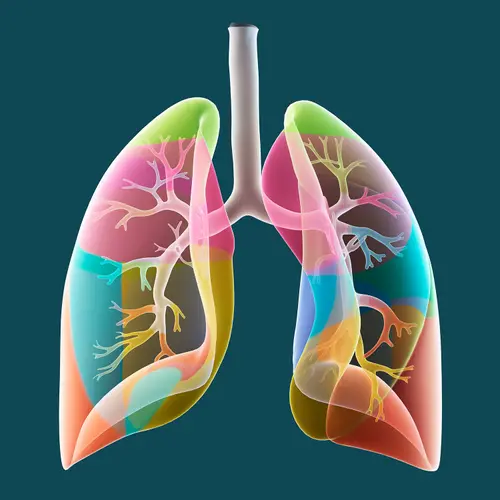
Lung cancer causes abnormal cells to grow in your lungs. You are at higher risk for lung cancer if you are a current smoker or have smoked regularly in the past. But anyone can get lung cancer.
In early stages, lung cancer does not usually cause symptoms. As the cancer advances, you may notice new symptoms like a persistent cough, difficulty breathing deeply, and pain in your chest.
Don’t let pain limit you after a lung cancer diagnosis or during cancer treatment. There are many medications and home remedies that can help you feel better and live your life more fully.
When Do You Need Pain Management for Lung Cancer?
Lung cancer can cause discomfort and pain as the disease progresses. For instance, many people with lung cancer have chest pain. If the cancer spreads, you may feel pain in your bones, back, shoulders, and head.
Michael Grant, MD, assistant professor of medical oncology at the Yale School of Medicine, says there are many reasons lung cancer patients may feel pain. The cancer itself is often a culprit.
“Many times it's related to local complications from the tumor,” Grant says.
Some lung cancer patients undergo surgical procedures that can cause pain during the recovery period or due to complications of surgery. Chemotherapy and radiation therapy treatments may include painful side effects like swelling and nerve damage.
If pain is preventing you from living your life normally, pain management strategies can help you ease your pain and live more productively.
Types of Pain in Lung Cancer
Tumor-related pain
- Chest pain from tumor pressure. As a lung cancer tumor gets bigger, it may press against organs, blood vessels, and nerves, causing chest pain.
- Bone pain from metastases. If your cancer expands beyond the lungs, it may spread into the bones. Cancer can weaken bone structures, increase risk of fracture, and cause swelling, tenderness, and deep, achy pain.
- Headaches from brain metastases. If cancer spreads to your brain, it may cause headaches. A tumor in the brain often puts pressure on the skull and causes the brain to swell. Tumor-related headaches are often worse in the morning.
Treatment-related pain
- Postsurgical pain. Surgery can raise your risk for complications like blood clots, which cause vein blockage that may lead to swelling, soreness, and even chest pain. Call your doctor immediately if you think you have a blood clot. Surgery can also cause nerve damage around the operation scar. Pain from surgical nerve damage usually goes away after a few years but can last longer.
- Radiation-induced esophagitis. Esophagitis is when your esophagus, the “food pipe” between your throat and stomach, becomes swollen and inflamed. It can cause pain during swallowing, a burning sensation in your chest and neck, or make you feel like you have a lump in your throat. It is a common side effect of radiation therapy treatments targeting the neck and chest. You may notice esophagitis a few weeks after starting radiation therapy. It usually goes away within a month of finishing treatment.
- Radiation-induced skin pain. Radiation treatment for cancer usually causes skin irritation. This can include redness, itchiness, and swelling of the skin. Symptoms are often mild but can include blisters and open sores.
- Chemo-induced peripheral neuropathy: Chemotherapy treatments often damage nerves in your extremities, like your arms and legs. This damage commonly causes a nerve disorder called peripheral neuropathy. You may notice a tingling feeling, pain, numbness, and weakness in your hands and feet. Symptoms can start during treatment or months after you finish.
Lung cancer-related back pain
You may notice back pain as the lung cancer spreads to other parts of your body. There are different reasons lung cancer causes back pain:
- Spinal cord pressure. The growth of cancer tumors in your spine can put pressure on your spinal cord, causing pain that radiates from a part of your back to the legs, arms, or bottom. If you have back pain and develop symptoms of arm or leg weakness or loss of bladder or bowel control, get medical care immediately.
- Cancer growth in the membranes surrounding the brain and spinal cord. If your cancer impacts the tissues covering your spinal cord and brain or is introduced into the spinal fluid, it can lead to back pain, headaches, and weakness in your arms and legs.
- Spikes in calcium. If lung cancer spreads to your bones, it can disrupt your normal calcium levels. Too much calcium in your blood increases your risk of bone fractures, blood clots, and nerve-related pain. Symptoms include, back pain, headaches, tingling, numbness, thirst, nausea, and weakness.
- Immune malfunction. Your immune system could accidentally attack healthy nerve tissue instead of the lung cancer tumor, causing symptoms like back pain that may not be directly related to the cancer.
- Mid-back pain. Cancer in the lung and the membrane that lines the lung can cause mid-back pain.
- Ribs. Cancer that has spread to the ribs in the back or vertebrae of the spine can cause bone tumor-related back pain.
Other pain
- Musculoskeletal pain from immobility. Body pain can get worse if you are unable to move around enough throughout the day. Your ligaments and muscles get shorter if they are not used regularly, which can put more pressure on joints and limit blood flow. Sitting puts more pressure on your lower back than when you are standing.
- Inflammatory pain. Inflammation can cause pain and typically resolves as inflammation dies down. But the chronic inflammation can cause longer-lasting pain in affected areas like the chest.
- Anxiety-related pain amplification. Chronic stress and anxiety can leave lasting impacts on your health, including your experience of pain. You may become more sensitive to pain or notice pain more often. Your muscles might tense up, causing even more stress and pain. Your immune system may not work as well, and you might find it harder to sleep at night, both of which can make it harder to handle pain and fight infection.
Ways You Can Help Lung Cancer Pain at Home
Always report any new pain symptoms after a lung cancer diagnosis to your doctor. Follow your health care team’s instructions for next steps.
“It's important to always be up-front about pain,” Grant says. “Patients get into a lot of trouble when they discount pain or when they sort of just try to get by without addressing the pain.”
In addition, you may be able to take steps right now to reduce pain and increase your comfort.
Hot and cold therapy
Add heat or cold to help ease pain from inflammation or muscle soreness. Place a heating pad or warm towel on the inflamed or sore body part to help increase blood flow and ease stiff muscles and joints. Avoid using heat in areas where there are tumors or if you have had radiation therapy. Wait 48 hours before using heat on a new injury.
Use an ice pack or cold, damp towel to numb a painful area, ease bleeding, and reduce inflammation and swelling. Do not put ice directly against your skin. You can use a towel or plastic bag to provide a layer of protection.
Positioning and body support
Back and chest pain are both common in people with lung cancer. Update the ways you move your body to help ease pain.
Change your sleep position. Sleep on your side with knees slightly bent and a pillow between your legs to reduce pressure on your spine.
If you sleep on your back, place a pillow under your knees to help relax back muscles. Make sure your neck and head rest on a pillow. Avoid sleeping on your stomach.
During the day, pay attention to your posture. When seated, rest your feet comfortably on the floor and keep elbows at a 90-degree angle with the desk or table. While standing, keep your chin lifted parallel to the ground with shoulders relaxed and rolled back.
Gentle movement
Sitting for a long time can make your joints stiff and muscles tense. Take regular breaks from sitting to walk or stretch.
Add core exercises and stretching to your daily exercise routine. A sturdy abdomen and limber muscles help promote strength and reduce pain.
Exercise can lessen your experience of pain over time and improve psychological sense of well-being. Choose activities you like, whether tennis or swimming, and add in a little bit each week to see benefits.
Breathing techniques
Practice deep breathing to help calm your nervous system and ease tension in your muscles.
A special breathing pattern called diaphragmatic breathing is especially useful. First, lie down on your back and place one hand just above your belly button. Inhale slowly through your nose and feel the hand on your belly rise. Then, exhale slowly through your mouth while pursing your lips and notice the belly shrink under your hand.
Practice diaphragmatic breathing a little bit each day. Over time, it will become a tool you can use when you notice pain emerging.
Massage
Massage can reduce pain by easing tense muscles, lessening stress and anxiety, and even rerouting pain signals from your brain. Ask your doctor to recommend a licensed massage therapist. You can decide how much pressure you prefer and what kinds of massage feel best to you.
You can also try self-massage or gentle yoga at home.
Sleep optimization
Chronic pain makes it harder to sleep through the night. It can cause disruptions in your body’s natural sleep cycle, leaving you tired the next day. When you don’t sleep well, your sense of pain may get worse.
Take steps to improve your sleep quality and wind down before bed. Try a guided meditation or practice deep breathing to relax your body and prepare to rest.
During the day, go outside to soak up sunlight. Make sure to get some form of exercise regularly. Eat healthy meals. Try not to drink alcohol or caffeine too close to bedtime. Keep screens to a minimum before you snooze.
Over-the-counter medications and supplements
For a sudden bout of pain or a new flare-up, over-the-counter medications and supplements may offer temporary relief.
“There are some conservative medications that you can get over the counter that I think work well for a lot of patients, especially those that are prone to side effects,” Grant says.
Common choices include acetaminophen, aspirin, and ibuprofen.
Talk to your doctor before taking a new medication to make sure it is safe for you. Follow instructions carefully to take proper dosages. Avoid drinking alcohol while taking pain medications.
Certain foods and supplements may help reduce pain. Turmeric, cherries, and fish oil, for example, show promise in reducing body inflammation.
Talk to your doctor or dietitian before trying alternative supplements. Supplements may need to be taken in certain ways or combined with other ingredients for full benefit.
Lung Cancer Pain Management
Non-opioid medications
- Celecoxib (Celebrex) and meloxicam. These are prescription nonsteroid anti-inflammatory treatments to reduce pain and inflammation.
- Acetaminophen, ibuprofen, and naproxen. These over-the-counter anti-inflammatory drugs can reduce pain of moderate severity. Talk with your doctor before taking anti-inflammatory medications.
- Muscle relaxers. Muscle-relaxing medications can ease muscle tension caused by cancer treatments or symptoms like chronic back pain.
Opioid medications
Opioid medications can be addictive. You may be at higher risk of opioid addiction if you have a history of substance use addiction. Talk to your doctor about whether opioids may be a safe pain management option for you. Many opioid medications can be given as a pill or liquid for treatment to be taken at home:
- Fentanyl patches: A skin patch for moderate to severe pain relief.
- Hydrocodone: A pill or liquid for moderate to severe pain relief.
- Hydromorphone: A pill or liquid medicine for moderate to severe pain relief.
- Methadone: A pill or liquid medicine for moderate to severe pain relief. It can also be used to treat opioid addiction.
- Morphine: A pill or liquid for moderate to severe long-term pain relief.
- Oxycodone: A pill or liquid medicine for moderate to severe pain relief.
- Oxymorphone: A pill for moderate to severe pain relief.
- Tapentadol: A pill or liquid medicine for moderate to severe pain relief, including pain from nerve damage.
- Tramadol: A pill for chronic moderate to severe pain relief.
Adjuvant Lung Cancer Pain Management
These drugs are most often used to treat something other than pain.
- Antidepressants. Antidepressant medications are sometimes prescribed to treat pain, including for back pain, tingling and burning sensations in extremities, and cancer-related pain.
- Anticonvulsants. Antiseizure medications can be used to treat nerve pain, including a burning and tingling sensation in extremities related to cancer and cancer treatments.
- Corticosteroids. Steroid treatments can help ease bone pain, pain from inflammation, and pain from tumors near the spinal cord and brain.
- Bisphosphonates. Bisphosphonate treatments can help relieve bone pain associated with cancer.
Procedures for Pain Management
- Radiation therapy for bone pain. Radiation therapy can be used to treat bone pain from cancer that has spread beyond the lungs. It can also treat certain other types of tumor-related pain.
- Neurolytic procedures and nerve blocks. Your cancer may spread and cause tumors that involve the spine or other organs. Your doctor may suggest a neurolytic procedure or nerve block, where alcohol or a mix of anaesthetic and steroids is introduced around painful nerve areas. The procedure temporarily stops your nerves from sending pain signals to the brain, with effects lasting up to a few months.
- Vertebroplasty. Vertebroplasty is a surgical procedure to repair fractures in your vertebrae caused by cancer that has spread into your bones. The procedure does not treat the cancer, but it can improve related pain.
- Scrambler therapy. Scrambler therapy uses EKG electrodes to reorient pain signals associated with numbness and tingling in the hands and feet. The treatment can help reduce pain and may even lessen the need to use other pain medications.
- Spinal cord or peripheral nerve stimulation. Implanted battery-operated devices can send electrical signals to the spine or nerves that help reduce pain signals before they reach the brain. The devices cannot eliminate pain, but they can significantly diminish pain severity.
Alternative and Complementary Pain Management
- Acupuncture. Acupuncture is a form of traditional Chinese medicine where thin needles are inserted at different points along the body. It has been found to have significant benefits for mental health, pain relief, sleep, and blood flow. It can also improve nerve signals related to pain and numbness in extremities and ease nausea associated with chemotherapy treatments.
- Massage therapy. Massage can help relieve stress, body pain, and headaches. Talk to your doctor about which types of massage may be appropriate for you.
- Physical therapy. Physical therapy can help you develop exercise routines suited to your needs while living with cancer. It can also target specific symptoms like numbness and tingling, pain related to cancer treatment, and weak muscles.
- Guided imagery. Watch or imagine tranquil images to help relax your body and distract yourself from pain. For instance, you can lie down and imagine a beautiful scene or watch programmed calming images on a TV or computer screen.
- Meditation. Meditation comes in many forms, from breath work to yoga. Try the version that works best for you. The key is to focus on your breath and the sensations in your body and mind without judgment. Benefits include stress reduction, improved sleep, and more body relaxation.
- Biofeedback. Biofeedback is when you instantly track certain health indicators like your heart rate and blood pressure using technology. The process can help you recognize patterns in your body and practice relaxing despite pain.
Takeaways
Lung cancer causes few symptoms at first, but can lead to pain in different parts of your body as it advances. You may experience pain from tumors, cancer treatments, and inflammation, among other things.
You can take small steps to reduce your pain on a daily basis through practices like regular exercise and deep breathing techniques. There are also medications and therapies to treat severe or chronic pain. Talk to your doctor about which pain management options may work best for you.
FAQs
What is the best pain relief for lung cancer?
There is no single “best fit” treatment for lung cancer pain. Medications and treatment strategies depend on your stage of cancer, the reasons for the pain, and other health factors specific to you. Talk to your doctor to develop a pain management plan that best meets your needs.
Do oxycodone and fentanyl patches work for pain management?
Yes, oxycodone and fentanyl patches can help treat moderate to severe pain. There are also many other opioid pain medications, as well as non-opioid and complementary therapies, that can be effective for pain management.
Opioid medications can be addictive. Talk to your doctor about the pain management options that will work best for you.
Will my oncologist think that I'm abusing my medication?
Your oncologist or pain management specialist will assess your addiction risk level before prescribing opioid pain medication. Your doctor will check in with you regularly to make sure the medication is working for you and that you are able to take it as prescribed.
Over time, your doctor may need to increase the dosage of your opioid pain medication as your body builds up a tolerance. Your doctor may also choose to switch you to a different medication. An increased tolerance to an opioid medication is natural and does not mean you are addicted.
Talk to your doctor if you notice common signs of addiction, like craving your medication beyond prescribed dosages, even when you know it is not good for you. This could also include mixing your medication with other substances or medications or taking larger or more frequent doses than prescribed.