By Samantha Murrell, as told to Rachel Reiff Ellis
For most of my life, I’ve been that “annoying” person in my friend groups who’s the ultra-fit and health-conscious one. I was an athlete, playing every sport in high school and working out regularly in college. As an adult, I hit the gym five days a week and fell in love with the outdoors, hiking 30 to 40 miles a week with my dog. I paid close attention to the foods I put in my body and enjoyed exploring alternate therapies like red-light therapy, cold plunges, and saunas.
My family is generally healthy too, no history of cancer or chronic conditions. I’ve always stayed on top of recommended screenings — dermatology checks, breast exams, cervical exams — everything I thought a woman my age should monitor. I was “doing everything right.”
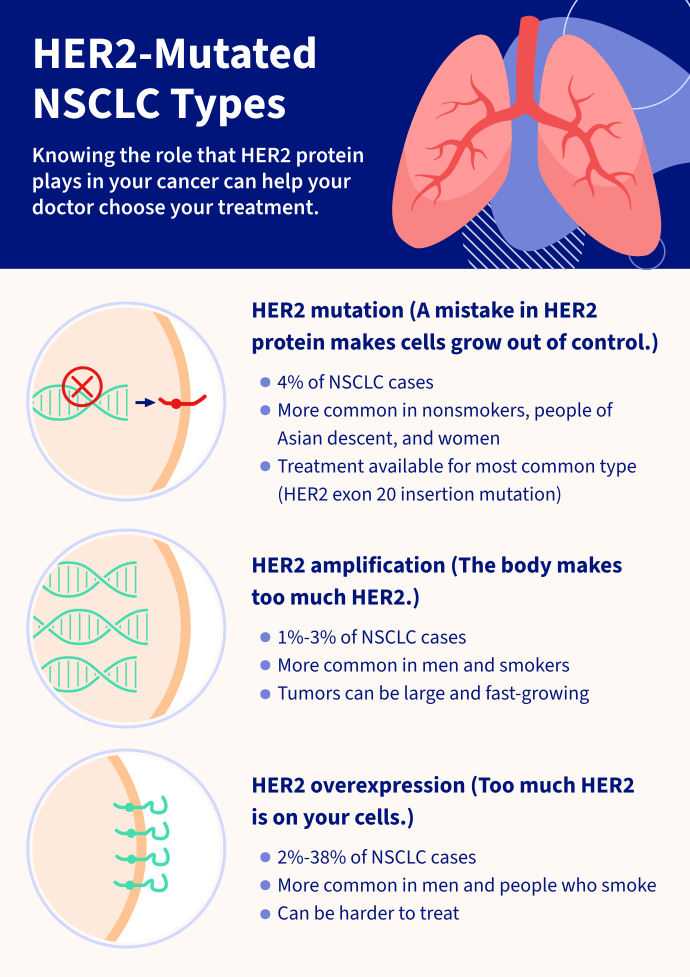
But in April 2024 at the age of 37, I was diagnosed with non-small-cell lung cancer with a HER2 mutation.
An Unlikely Diagnosis
Lung cancer was never on my radar. Of all the cancers I imagined I might ever get, it was last on my list. I truly believed it was a smoker’s cancer, and that if you didn’t smoke, you wouldn’t get it.
The first time I noticed anything out of the ordinary was on a work trip. I had been flying a lot, and after one particular flight I came home with severe leg pain. At the ER they discovered I had a blood clot. They told me it was likely from my birth control pills and the recent air travel. Looking back, that was my first sign of lung cancer, but it went unnoticed.
Six months later, I traveled to India and came home with a cough. The cough wasn’t that remarkable — several people in the group I’d traveled with had picked one up because of the bad air pollution. But my cough continued to get worse over time. Within two weeks, I could barely get off the couch or breathe properly, and I knew something was wrong.
At urgent care, an X-ray showed that my entire left lung was full of fluid. I was sent straight to the emergency room. This began a five-day whirlwind of scans, tests, and confusion from doctors who had no idea what was happening. It took a biopsy to discover I had lung cancer.
While I was still in the hospital, I saw test results coming through in my online portal before the doctors had even explained them. There were words like “innumerable liver lesions” and “suspicious lesion in lung.” I initially assumed it must be breast cancer or something common for women my age. When I heard lung cancer, I thought, “Excuse me?” It was something I never imagined.
Looking back, there were signs I overlooked. I’m very small, and I’d lost about 5 pounds, but I assumed it was from all the hiking after our move to Montana. I was also napping like a 4-year-old every afternoon, which was not normal, but I chalked it up to exertion. Now I know those were symptoms of cancer.
Doctors couldn’t really explain why this happened. I filled out questionnaires asking about radon exposure, toxins, and secondhand smoke, but all my answers were “no.” Eventually they told me it was just bad luck. That answer frustrated me deeply. I now know this is happening more and more to young women in their 20s, 30s, and 40s. It felt like no one was talking about it, and that lit a fire in me to speak out.
Understanding My HER2 Mutation
My diagnosis took place in a community hospital in Montana. That team painted a dire picture, telling me I had only nine months to live. We realized that I would be better served with care from a National Cancer Institute (NCI) center with more expertise in my cancer.
My husband is active duty in the army, and they relocated us to Salt Lake City, Utah, where he’s from originally, so that I could get set up with the Huntsman Cancer Institute. On my first day, they ordered biomarker testing, and two weeks later it came back as HER2-mutated cancer.
Because there was (and still is) no first-line HER2 therapy approved for lung cancer, I started with traditional chemotherapy and immunotherapy. For HER2, response time can be short, but I responded for about six to seven months — longer than most people with this mutation.
When I progressed, I switched to an antibody-drug conjugate. My response was incredible. My PET scan showed no active disease except for my primary tumor. That meant I qualified for surgery, and three weeks ago I had a lobectomy to remove half of my lung. Today, I have no evidence of disease, which is unbelievably exciting.
Now I am on a newly FDA-approved HER2-targeted therapy, which I started immediately after surgery. I have no side effects and plan to stay on it indefinitely or until it stops working. I’m working full-time, staying active, and living my life.
Building an Ecosystem of Care
One thing I want people to understand is that your best response may not come from your first treatment — it might be second-line, third-line, or later. You never know when the right drug will come along and change everything. But having the right care team along the way makes a big difference.
Moving for treatment is not realistic for everyone, but seeking care or even just a second opinion at an NCI hospital can be life-changing. Community hospitals can offer great care, but they may not be deeply involved in the latest research or cutting-edge drug development.
Even though I already go to an NCI center, I also have a second-opinion doctor at another NCI hospital who specializes in HER2. I’ve built a team of specialists — surgeons, radiation oncologists, and others — many of whom I haven’t needed yet but have established care with so they’re ready when I do. That network has been crucial.
My biggest advice to anyone newly diagnosed is to find advocacy and support groups where you feel seen, whether that’s groups for young lung cancer patients or specific HER2 mutation communities. Those groups can help you navigate this world quickly and feel less alone.
There is hope. Your treatment journey may surprise you. You might qualify for options down the road that don’t exist today — or that didn’t seem possible when you first heard the words lung cancer.