Best Foods for Hypertrophic Obstructive Cardiomyopathy (HOCM)
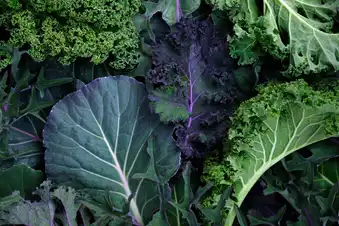
Hypertrophic Obstructive Cardiomyopathy Foods
Filling half your plate with veggies (and fruits) can help everyone’s heart health. When you do, try to choose:
- Leafy greens like spinach, collard greens, kale, and broccoli packed with antioxidants and nitrates to help relax and widen your blood vessels.
- Other vegetables like vibrant, antioxidant-rich tomatoes, peppers, beets, and carrots to round out the rainbow.

Fruits: Berries Top the List
Antioxidants have a heart-protective effect and reduce cell damage and inflammation that can hurt your heart. Most whole fruits are fiber rich and full of vitamins and minerals, including:
- Apples
- Oranges
- Bananas
- Mangoes
- Guava
- Papaya
Berries, with their deep, rich color and high antioxidants are natural boosters of heart health. Making blueberries a regular part of your diet may also lower your heart disease risk.

Grains: Whole Over Refined
When you’re choosing bread, rice, and other grains, opt for whole grain selections. You can try to eat:
- Steel-cut oats
- Whole-grain pastas
- Brown rice instead of white
- Whole-grain bread instead of white bread
Whole grains boost your fiber intake, which in turn helps lower cholesterol to help your heart.
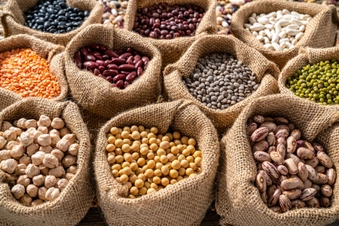
Legumes: Take Your Pick
When it comes to legumes, you can’t go wrong. All can be a healthy source of protein, fiber, and antioxidants to help improve blood pressure and lower cholesterol. Opt for legumes like:
- Kidney beans
- Lentils
- Chickpeas
- Black-eyed peas
- Lima beans
- Soybeans, including edamame and tofu
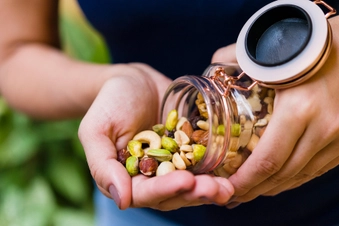
Nuts: Raw and Unsalted
What’s in a nut? Fiber, good fats, antioxidants, and L-arginine, an amino acid that improves blood vessel health. This combo packs a heart healthy punch, so try:
- Walnuts, which are especially high in healthy fats and can lower heart attack and stroke risks
- Almonds
- Pecans
- Macadamias
- Hazelnuts
Nuts are high in calories, so enjoy them in moderation and go for heart healthier unsalted versions.
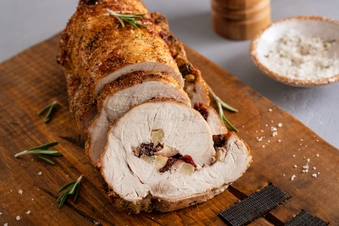
Proteins: Keep Them Lean
Meat has vitamin B12, which helps keep blood and nerve cells healthy. It’s important to keep your fat intake as low as possible as you eat meat. Here are some tips for eating meat:
- For red meat, choose at least 95% lean ground beef for your dishes.
- Other lean meats include pork tenderloin or skinless chicken or turkey.
Dairy: Low-Fat or Nonfat Are Best
Part of guarding your heart health means not eating saturated fat. It may raise your risk of heart problems by stiffening blood vessels and raising blood pressure and cholesterol.
One way to avoid heart problems is to make sure your dairy products are low-fat or nonfat. Try choosing “skim,” “low-fat,” or “fat-free”:
- Yogurt
- Milk
- Cheese
- Sour cream
Oils: Opt for Unsaturated
The same smarts apply to your cooking oils: unsaturated fat is best. Look for and use oils like:
- Canola
- Corn
- Grapeseed
- Olive
- Safflower
- Soy
- Sesame
- Sunflower oils
These oils can help you get more healthy fats in the form of polyunsaturated fats, monounsaturated fats, and omega-3 fatty acids.
Avocados – and their oil – are especially full of micronutrients, making this cooking oil another heart-friendly addition to your kitchen pantry.


