Foods to Avoid With MASLD or MASH
Your Diet and MASLD or MASH
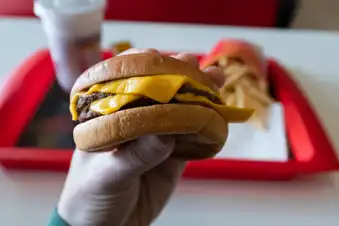
The American diet: We love our burgers and fries. But research shows our way of eating comes at a price: weight gain and MASLD or MASH, or fatty liver diseases. Foods high in saturated fats, like processed meats, packaged foods, and sugary drinks, all tax the liver and worsen the condition. They also harm the good bacteria in the GI tract. That also contributes to MASLD or MASH. What are the worst culprits?
Baked Goods
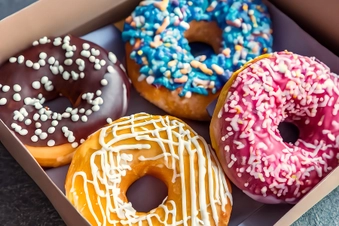
From white bread to donuts, these are filled with processed ingredients, especially refined white flour and sugar. These simple carbs don’t offer liver-friendly nutrients. They also disrupt the balance of good and bad bacteria in the gut. This leads to oxidative stress, inflammation, and worsening MASLD or MASH. Increase the amount of fiber you eat each day to boost good gut bacteria and slow MASLD or MASH. Focus on baked goods made with whole wheat flour and other whole grains.
Pasta and Rice
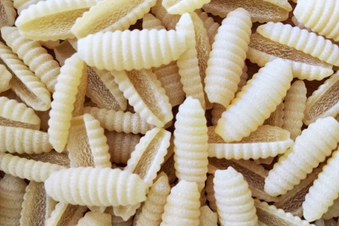
Traditional pasta and white rice are made from refined grains. These simple carbohydrates cause blood sugar spikes and are often stored as fat by the liver. Low in fiber, they can disrupt the important mucus layer of the colon. Instead, choose whole grains, like brown or wild rice, whole wheat pasta, and ancient grains such as quinoa. These complex carbs fill you up and provide consistent energy that lasts so you don't "crash." They also contain fiber to boost gut diversity.
Processed Meats
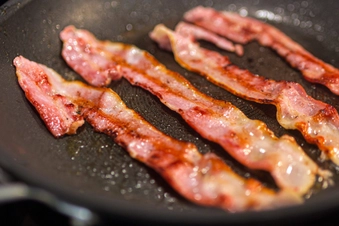
Bacon, ham, deli meats, sausages, canned meats — research shows that eating these processed foods drives MASLD or MASH as well as insulin resistance. Besides starting off as fatty cuts, these meats are processed with a lot of salt, which is also bad for blood pressure. Plus, they have other ingredients used during smoking and preserving including dyes and artificial flavoring. Try healthful choices like skinless chicken, turkey, and other lean proteins in their natural state.
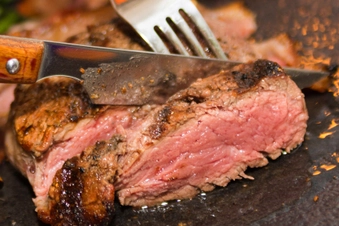
Red Meat
Red meat is high in saturated fat and cholesterol, both bad for a fatty liver. It’s been linked to inflammation and worsening MASLD or MASH. How you prep meat amps up the damage: High-heat grilling and frying create compounds that cause more oxidative stress and liver inflammation when you eat them. Limit red meat to twice a week, choose lean cuts, and avoid charring when you cook. Eat more chicken, plant-based proteins like legumes, and fish with good omega-3s fats like salmon and mackerel.
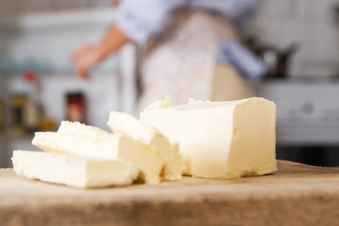
Butter and Lard
Avoid these cooking staples. They're high in saturated fat. Though margarine is made with vegetable oils, not all brands are your best options. Some have traces of trans fats. Labels can claim “0 trans fat” even when there’s up to half a gram per serving, and those servings can add up. Switch to mono- and polyunsaturated fats like extra virgin olive oil and avocado oil. These have anti-inflammatory benefits that support liver health.
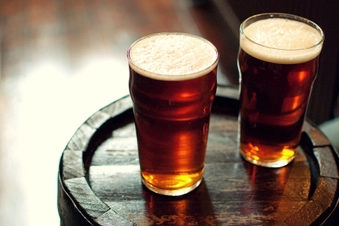
Alcohol
Wine, beer, spirits — there’s no safe type of booze when you have MASLD or MASH. Even small amounts or an occasional drink can hurt your liver, speeding up the damage and upping the risk it will advance to more serious stages. That’s because alcohol worsens oxidative stress, liver inflammation, and scarring.

Soda
Whether it’s high-fructose corn syrup or cane sugar, there’s evidence linking fructose with fatty liver. These sweeteners tax the liver and can lead to insulin resistance and more liver scarring. Sugary drinks are also a major reason for overweight, which is itself a contributor to MASLD and MASH. The artificial sweeteners in diet sodas, along with preservatives, flavor enhancers, and dyes each can upset gut bacteria, trigger inflammation, and impair the liver’s ability to do its jobs.
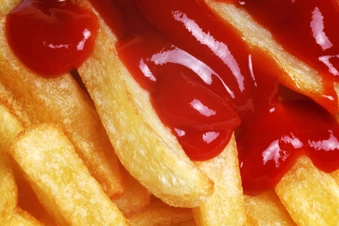
Fast Food
Fast food, especially fried items like chicken, french fries, and chips, goes hand in hand with fatty liver. And damage to the liver from fast food increases when you’re overweight and have diabetes. These menu items are typically ultra-processed foods that are high in sugar, saturated fat, salt, and other additives. That mix leads to the inflammation and oxidative stress that fuel MASLD and MASH progression. If you have to hit the drive-thru window, opt for a grilled sandwich or a salad as a main or on the side.
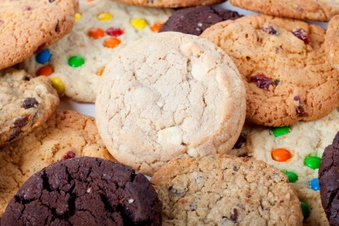
Packaged Snacks
The more processed foods are, the worse they are for MASLD and MASH. Most items in the snack aisle, from crackers to chips to cookies, are ultra-processed. This means they go through many industrial steps to produce. They have tons of additives that tax the liver, including added sugars, saturated fats, and salt. Plus, fiber and other nutrients are lost. Nuts and seeds make great snack alternatives — they're rich in unsaturated fats, plant protein, and nutrients.
Full-Fat Dairy
They're tempting, but it's best to stay away from dairy foods like cream, cheese, butter, and ice cream. They're high in saturated fats that clog the arteries as well as cause weight gain and fat buildup in the liver. To get the calcium and protein of milk and plain yogurt, choose low-fat or fat-free varieties in moderate amounts. With yogurt in particular, skip the flavored ones, even if they're nonfat, because they’re typically high in added sugars. Add your own fruit instead. When you do eat cheese, limit your portions and be sure to read labels and skip processed cheese products.
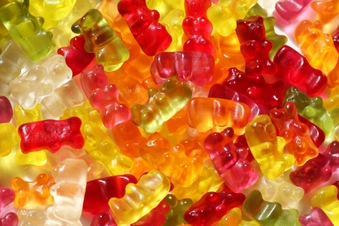
Candy
High-fructose foods like candy send liver function and the progression of fatty liver into overdrive. Those made with high-fructose corn syrup are especially damaging because they’re also linked to weight gain, insulin resistance, and diabetes. Instead, choose fresh or frozen fruit. They have vitamins, fiber, and plant-based nutrients like polyphenols that can improve MASLD or MASH and boost gut health. But limit dried fruits because of their concentrated sugar.
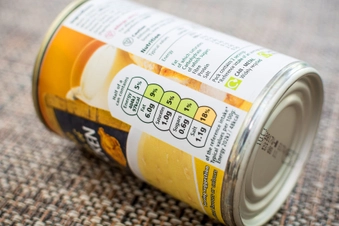
Convenience Meals
From canned soups to frozen dinners, these packaged goods are another type of ultra-processed food, or UPF. They're chock-full of emulsifiers, sweeteners, and a host of endocrine-disrupting chemicals used from prep to packaging. These have all been linked to MASLD, MASH, diabetes, and obesity. UPFs fuel inflammation and oxidative stress, which in turn fuels the worsening of liver disease. Make home cooking just as convenient by making batches large enough for two or more meals.

Your Best MASLD and MASH Diet
Your nutritional needs depend on your unique circumstances. To find out the best diet to improve fatty liver, talk to your doctor or a nutritionist, especially before making big changes. They might suggest the Mediterranean Diet, which is high in polyphenols and unsaturated fats like olive oil, nuts, and fish. It naturally avoids foods high in saturated fat and sugar as well processed foods, so it supports both liver and overall health.