Travel Tips for Young People with Dry Eye

Check Out Your Destination
You may have a handle on your dry eye disease at home, but traveling can present different challenges. Find out about the climate and conditions at the place you're headed, such as:
● Is it especially dry, windy, hot, or cold?
● Does it have a lot of air pollution?
● Is it at a high altitude?
● Are people allowed to smoke in public places?
Any of those things can cause dry eye symptoms to flare, and you'll need to be ready. It's also a good idea to check nearby pharmacy locations to see if you could get your prescription eye drops in case you need a refill while you're away.
Pack Your Dry-Eye Kit
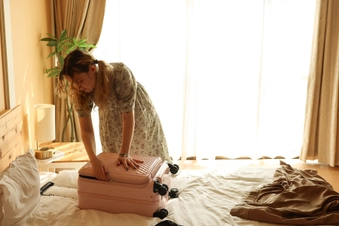
Make sure the supplies you need to soothe your dry eyes are on your packing list and keep them handy while you're en route. These may include:
● Artificial tears or rewetting drops
● A thicker product like a lubricating gel for nighttime
● Prescription eye drops
● Gentle cleansing wipes
● Sunglasses
● Eyeglasses (so you can remove your contacts if they bother you)
● Contact lens case and storage solution
● Heat mask (to clear blocked oil glands)
Prep for Airplane Air
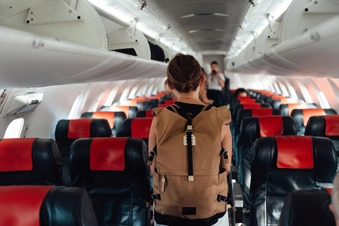
If you're flying, remember that airplane cabins are notoriously dry. Keep rewetting drops in your carry-on. For contact lens wearers, switching to glasses on the plane may be best, especially if you might doze off. Pack lens solution in a travel-sized container so you can bring it through security. Point the air vents away from your face or cover your eyes with a mask.

Stay Hydrated
Keeping your whole body hydrated helps improve the quality of your tears. Aim for 72 to 104 ounces of water a day and drink it at a steady pace – don't wait until you feel thirsty. Bring a reusable bottle with you so water is always handy. It may mean more trips to the airplane bathroom or stops on your road trip, but your eyes will thank you!
Limit Contact Lens Time
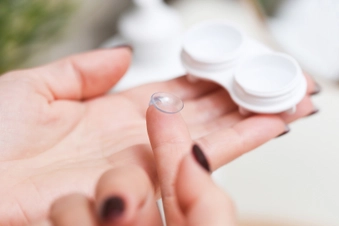
Contact lenses disrupt your tear film and can absorb moisture from your eye surface. You shouldn't wear them more than 16 hours a day, something you might lose track of on a long travel day or while crossing time zones. Consider giving your eyes a break and wearing glasses more while you travel. Once you've arrived, don't leave your lens case and solution in the hotel. Have them with you in case your eyes get irritated while you're out and about.
Blink More While You Use Screens
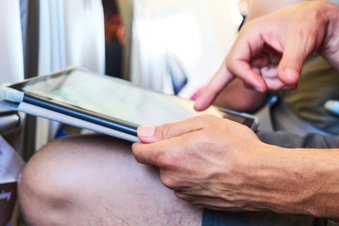
Do you spend your transit time glued to your phone or tablet? When you focus intently, whether on a screen or a page, you blink less. That makes your eyes dry out faster. Be mindful of blinking, and every once in a while close your eyes for a few minutes. Other tricks: Keep your screen below eye level so you don't have to open your eyes as wide, and in a darkened airplane cabin, switch your screen to night mode.

Protect Your Eyes Outside
If your trip includes time outside, sunglasses are your best friend. Activities like enjoying the beach, hitting the ski slopes, riding a bike, and watching an outdoor sporting event can all expose you to wind, dust, and glare, which can irritate your eyes. And dry eyes can be especially sensitive to bright light. Consider wraparound shades that protect your eyes from all angles.
Watch Out for AC and Heaters
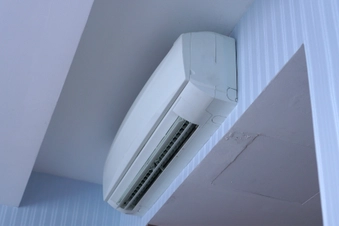
You aren't necessarily safe from dry eyes indoors either. Whether it's been heated or cooled, the air coming through the HVAC systems in hotels, restaurants, and public spaces can be very dry. You might want to travel with a portable humidifier. When you're in a car or on a plane, keep air vents pointed away from your eyes.
Be Careful With Makeup
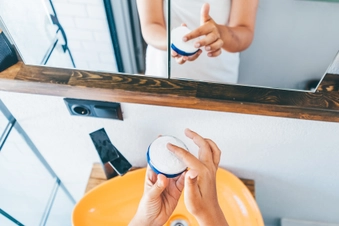
Don't let your eye makeup ruin your good time while you're traveling. If you use powdered or glittery shadow or two-step mascara, you can end up with tiny particles in your eyes that cause irritation and disrupt your tear film. Stick with liquid or cream products, and avoid putting eyeliner inside your lash line. Always clean your face and thoroughly rinse away your eye makeup remover before you go to bed.

Don't Rub Your Eyes
It can be hard to keep your hands off when your eyes are dry and irritated, but rubbing can make things worse. And whatever you do, don't touch your eyes unless your hands are clean. You could scratch your cornea or end up with an infection. Wash your hands before you handle your contacts or put in eye drops. Use hand sanitizer in a pinch.

Know When to Take a Break
If you're on vacation, it might be tempting to push through discomfort so you don't miss out on anything. But overdoing it can make things worse. Signs it's time to give your eyes a break include:
● Redness
● Stinging or burning
● Feeling like something's in your eyes
● Blurry vision
● Heavy tearing

Have a Backup Plan
You never know what's going to happen during a trip – luggage gets lost, things get left behind, and your symptoms can flare. That's why it's a good idea to keep what you need to soothe dry eyes on you – not in your checked luggage or in your hotel. If you have a prescription for eye drops, keep a copy in your phone in case you need a refill, and pack a spare pair of contact lenses.
When to See a Doctor After Travel
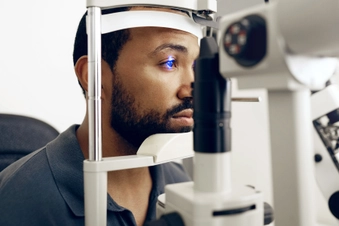
If traveling caused a flare-up in your dry eye symptoms, things may get back to normal after a few days at home. But if your regular care routine isn't helping, or if your symptoms are getting worse, make an appointment to see your eye doctor.