Tips for Safe Travel With Epilepsy

Plan Ahead With Your Doctor
Check in with your medical team — by phone, in person, or through a patient portal — and talk through where you’re going and for how long. They can tell you if you need vaccinations for your trip (and whether they’ll affect your medications or seizures), recommend local emergency services, and provide documentation about your condition if necessary.
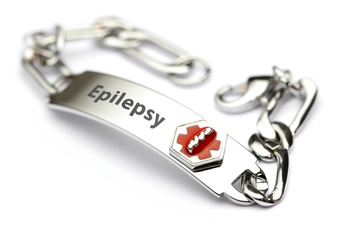
Wear a Medical ID
Wearable IDs are always helpful, but they’re crucial if you’re traveling alone. These bracelets, necklaces, and other IDs tell others you have epilepsy, what medications you take, and what to do or who to call in an emergency.
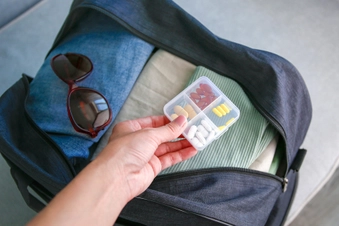
Overprepare Your Medications
Always take extra medication with you on a trip. Pack the extra in a different place so you have it as backup if one gets lost. Make sure you have the original bottles with your name and dosage on them. Keep medications in your carry on — don’t pack them in your checked luggage. Have access to prescriptions if you need to refill your medications elsewhere.

Keep Up With Treatment Schedules
If you’ll be crossing time zones, ask your doctor how to handle the shift in your medication routine. Set timers on your watch or phone to help stay on track with your dosage schedule.

Educate Your Travel Mates
If you’ll be in a group or with a partner on your trip, go over your epilepsy protocol beforehand. Make sure they know what to do if you have a seizure — things like basic first aid, keeping you safe, whom to call and when, and what not to do.

Alert Your Air Crew
When you travel by plane, your flight crew is your in-air support. As you board (or before), mention to the attendants that you have epilepsy and what that could mean for your time on board. If possible, it may be best to be in an aisle seat, so help can get to you easily if you need it.

Keep Up With Self-Care
Traveling can throw your body off-kilter in a hurry, especially if your sleep schedule shifts and you’re moving and busy. Stress can be a trigger for seizures in some people, so be sure to build in breaks, eat well, and stay hydrated to give yourself as much support as possible.
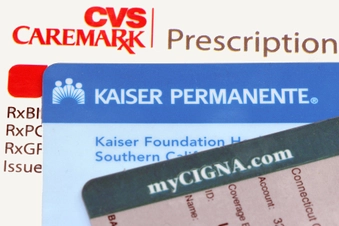
Check Your Coverage
Be sure you have your insurance ID with you at all times. And look ahead to where you’re headed to see who might be in your plan and who’s not. You may want to consider travel insurance for some trips, especially international ones.
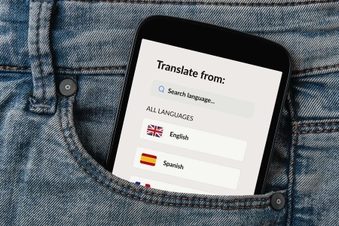
Plan for Language Barriers
If you’re going to a place where you don’t speak the language, do research ahead of time so you know how to say phrases like “I need a doctor.” Make sure you know how to call for emergency services in countries where 911 isn’t the standard.

Have an Emergency Plan
Some people call this their seizure action plan. It’s a good idea to have it any time, but especially when you’re away from home. Think through what to do, step-by-step, if you have a seizure, and share the plan with your travel companions. Know when to call medical professionals and what care you need during and after a seizure. Have numbers of doctors handy for anyone who needs them.


