


 Reviews (527)
Overview: Valacyclovir is an antiviral medicine used to treat conditions such as cold sores, genital herpes, shingles, and chickenpox. It works by stopping the growth of herpes viruses. Common side effects may include headache, nausea, and stomach pain. Tell your health care provider right away if you have a rash, a reduced need to pee, unusual tiredness or weakness, or swelling in your feet, ankles, or legs. Valacyclovir comes as a tablet that is taken by mouth.
Uses
What is valacyclovir used for?
Valacyclovir is an antiviral medicine commonly used for the following conditions caused by herpes viruses.
- To treat cold sores
- To treat, prevent, or reduce the spread of genital herpes, a sexually transmitted disease
- To treat shingles
- To treat chickenpox (children)
Valacyclovir may also be used for other conditions as determined by your health care provider.
How does valacyclovir work (mechanism of action)?
Valacyclovir is an antiviral medicine that stops the growth of herpes viruses. Valacyclovir does not remove the viruses from your body.
How is valacyclovir supplied (dosage forms)?
Brands and other names
- Valtrex
Dosage forms and strengths
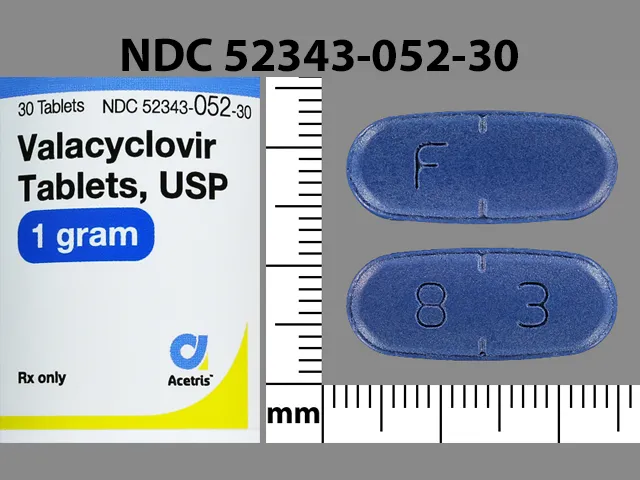
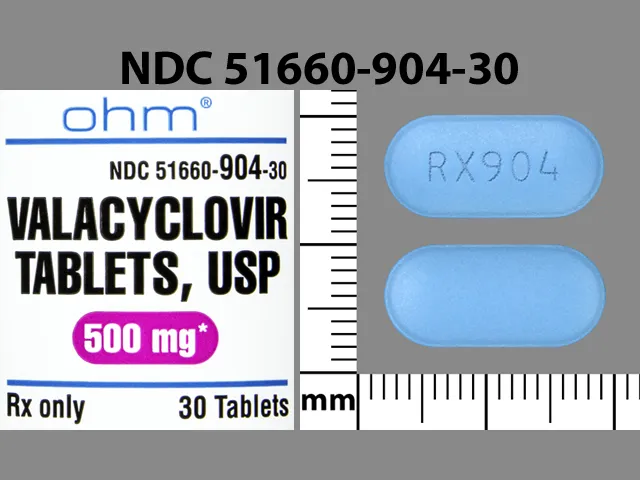
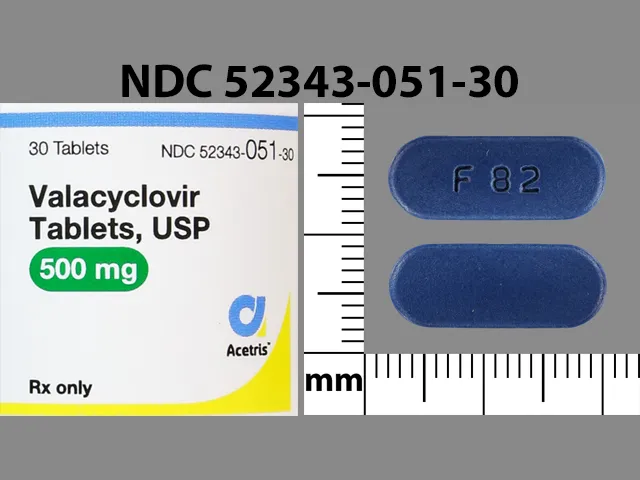
- 500 mg oral tablets
- 1 g oral tablets
How should I store valacyclovir?
Valacyclovir oral tablets should be stored at room temperature, between 59 F and 77 F (15 C and 25 C). Store in a cool, dry place, in a tightly closed container.
Side Effects
What are the most common side effects of valacyclovir?
The most common side effects of valacyclovir are listed below. Tell your health care provider if you have any of these side effects that bother you.
- Headache
- Nausea
- Stomach pain
There may be other side effects of valacyclovir that are not listed here. Contact your health care provider if you think you are having a side effect of a medicine. In the U.S., you can report side effects to the FDA at www.fda.gov/medwatch or by calling 800-FDA-1088 (800-332-1088). In Canada, you can report side effects to Health Canada at www.health.gc.ca/medeffect or by calling 866-234-2345.
What are the serious side effects of valacyclovir?
While less common, the most serious side effects of valacyclovir are described below, along with what to do if they happen.
Kidney Damage. Kidney damage can happen when taking valacyclovir. Your risk may be higher if you are over age 65, take certain other medicines, are not drinking enough fluids, or already have kidney problems. Call your health care provider right away if you have any of the following symptoms of kidney damage.
- Reduced need to pee
- Swelling in your feet, ankles, or legs
- Weakness or unusual tiredness
- Difficulty catching your breath or chest pain/pressure
- Confusion
- Nausea
- Seizures
Central Nervous System (CNS) Problems. Valacyclovir may affect your central nervous system (CNS). Call your health care provider right away if have any of the following symptoms of CNS problems.
- Feeling agitated or restless
- Seeing or hearing things that others do not see or hear, also called hallucinations
- Confusion
- Trouble speaking
- Feeling unsteady or shaky
- Seizures
- Sudden and severe mental or nervous system changes
Severe Skin Reactions. Valacyclovir can cause severe skin reactions, such as Stevens-Johnson syndrome (SJS) and toxic epidermal necrolysis (TEN), that can lead to death if not treated. If you get a rash, call your health care provider right away. Stop taking valacyclovir and get emergency help if you have any of the following symptoms.
- Painful skin that looks burned and peels off
- Flat rash or blisters on your skin, mouth, nose, or genitals
- Red, painful, watery eyes
- Flu-like symptoms including fever, chills, and muscle aches
Severe Allergic Reactions. Valacyclovir may cause allergic reactions, including a specific type of allergic reaction called DRESS. DRESS stands for drug reaction with eosinophilia and systemic symptoms. It is also sometimes called multi-organ hypersensitivity. This is a reaction that can affect multiple parts of the body including your liver, kidneys, and heart. Stop taking the medicine and get help right away if you have any of the following symptoms of a serious allergic reaction.
- Breathing problems or wheezing
- Racing heart
- Itching or skin rash
- Bumps on the skin called hives that can be red, pink, white, or brown depending on your skin tone
- Fever or general ill feeling
- Swollen lymph nodes
- Swelling of the face, lips, mouth, tongue, or throat
- Shortness of breath, trouble swallowing, or throat tightness
- Swelling in your feet, ankles, or legs
- Nausea or vomiting
- Dizziness, feeling lightheaded, or fainting
- Stomach cramps
- Joint pain
- Dark-colored pee
- Your skin or the whites of your eyes turning yellowish in color (also called jaundice)
Warnings & Precautions
Who should not use valacyclovir?
Allergies to Ingredients. People who are allergic to any of the following should not take valacyclovir.
- Acyclovir
- Valacyclovir
- Valtrex
- Any of the ingredients in the specific product dispensed
Your pharmacist can tell you all of the ingredients in the specific valacyclovir products they stock.
What should I know about valacyclovir before using it?
Do not take valacyclovir unless it has been prescribed to you by a health care provider. Take it as prescribed.
Do not share valacyclovir with other people, even if they have the same condition as you. It may harm them.
Valacyclovir is not a cure for cold sores, genital herpes, chickenpox, or shingles.
If you are prescribed valacyclovir to treat an outbreak of cold sores, genital herpes, shingles, or chickenpox, take it as soon as possible. You should take it as soon as you first have symptoms, such as burning, itching, or tingling.
Genital herpes can be passed to others during sexual activity even if you have no signs or symptoms. Ask your health care provider about safe sex practices, such as condoms. If you have symptoms or open sores from genital herpes, do not have sexual contact to avoid spreading it to others.
Be sure to drink plenty of fluids while you are taking valacyclovir.
People who are 65 and older can be at greater risk for some side effects from valacyclovir. Talk to your health care provider about your risks if you are in this age group.
Your pharmacist may be able to make a liquid form of this medicine. If you take this form, keep it refrigerated, between 36 F and 46 F (2 C and 8 C), for up to 4 weeks. Before each use, shake the liquid medicine well. Use an accurate measuring device to measure your dose. A household spoon is not an accurate measuring device and may cause you to take the wrong dose. Ask your pharmacist what measuring device to use.
Keep valacyclovir out of the reach of children. If your pharmacist has made you a liquid form of this medicine that should be kept in a refrigerator, take special precautions to keep it away from children who also use the refrigerator.
What should I tell my health care provider before using valacyclovir?
Tell your health care provider about all of your health conditions and any prescription or over-the-counter (OTC) medicines, vitamins/minerals, herbal products, and other supplements you are using. This will help them know if valacyclovir is right for you.
In particular, make sure that you discuss any of the following.
Current and Past Health Conditions. Tell your health care provider if you have or have had any of the following.
- Kidney problems, including dialysis
- Bone marrow transplant or kidney transplant
- Advanced HIV or AIDS
Weak Immune System. Some people with a very weak immune system who take valacyclovir may be at risk for a condition called thrombotic thrombocytopenic purpura (TTP) and hemolytic uremic syndrome (HUS). TTP and HHS can cause small blood clots throughout the body, reducing blood flow to organs like the brain, heart, and kidneys. TTP and HUS are serious and can lead to death. Tell your health care provider if you have a weak immune system before taking valacyclovir.
Vaccines. You may not be able to receive certain vaccines, such as the chickenpox (varicella) vaccine, right before or after taking valacyclovir. Tell your health care provider about any vaccines you have recently received or have scheduled.
Pregnancy. It is not known if or how valacyclovir could affect pregnancy or harm a fetus. Tell your health care provider if you are pregnant or plan to become pregnant. Your health care provider will let you know if you should take valacyclovir while you are pregnant or trying to get pregnant.
Breastfeeding. Valacyclovir may pass into breast milk. Tell your health care provider if you are breastfeeding or plan to breastfeed. Your health care provider will let you know if you should take valacyclovir while breastfeeding.
Interactions
Does valacyclovir interact with foods or drinks?
There are no known interactions between valacyclovir and foods or drinks.
It is unknown if drinking alcohol will affect valacyclovir.
Does valacyclovir interact with other medicines (drug interactions)?
Always tell your health care provider about any prescription or over-the-counter (OTC) medicines, vitamins/minerals, herbal products, and other supplements you are using.
In particular, make sure that you discuss if you are taking any medicines that can harm the kidneys before taking valacyclovir.
This may not be a complete list of medicines that can interact with valacyclovir. Always check with your health care provider.
Overdose/Missed Dose
What should I do if I accidentally use too much valacyclovir?
If you or someone else has used too much valacyclovir, get medical help right away, call 911, or contact a Poison Control center at 800-222-1222.
What should I do if I miss a dose of valacyclovir?
If you miss a dose of valacyclovir, take it as soon as you remember. If it is almost time for your next dose, do not take the missed dose and take the next dose at your regular time. Do not take double or extra doses.
Images
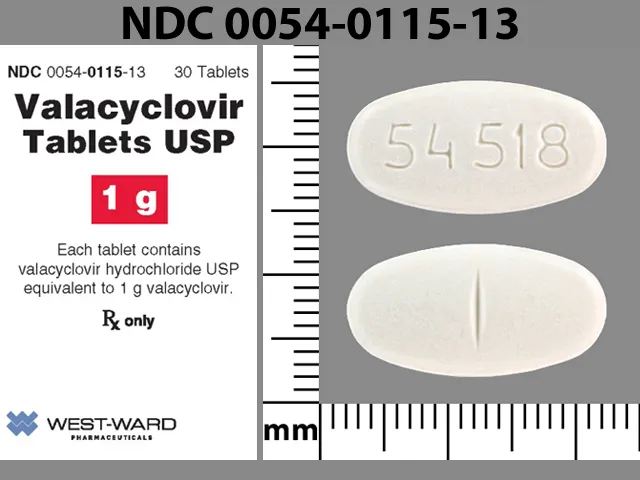
ValACYclovir Hydrochloride
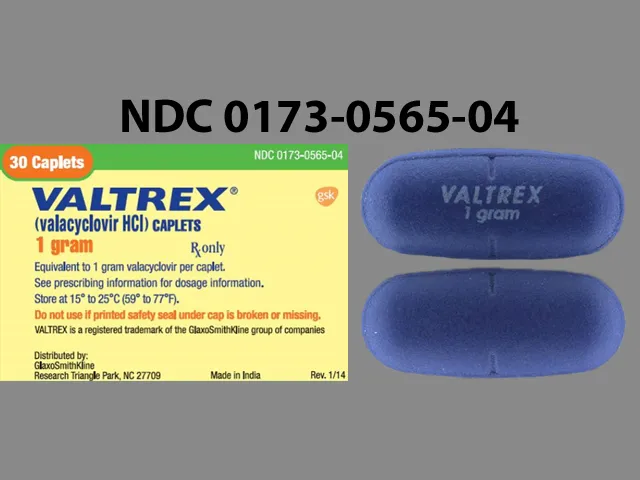
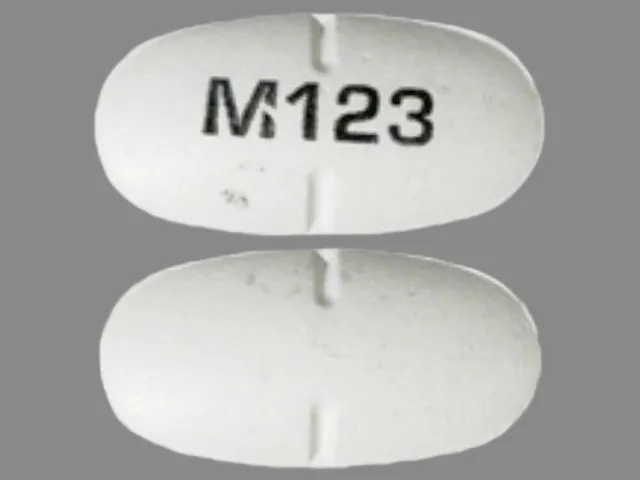
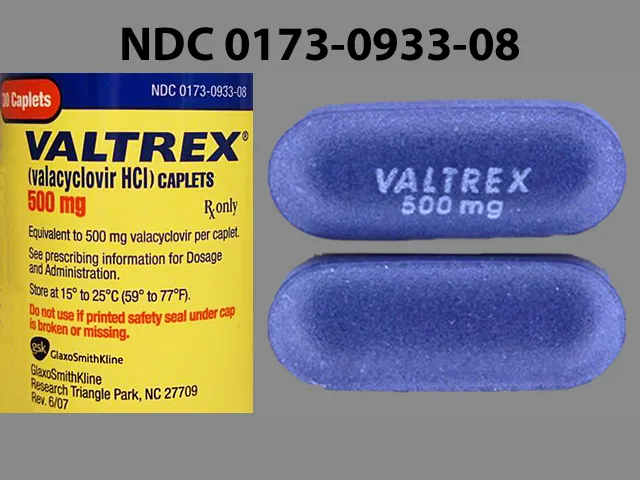
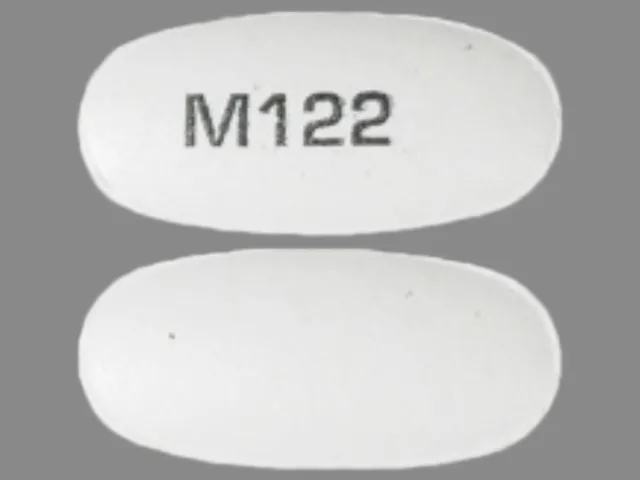
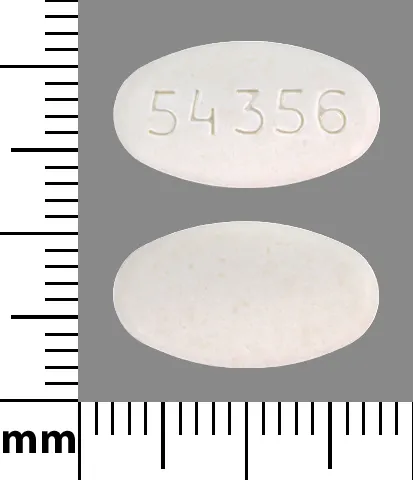
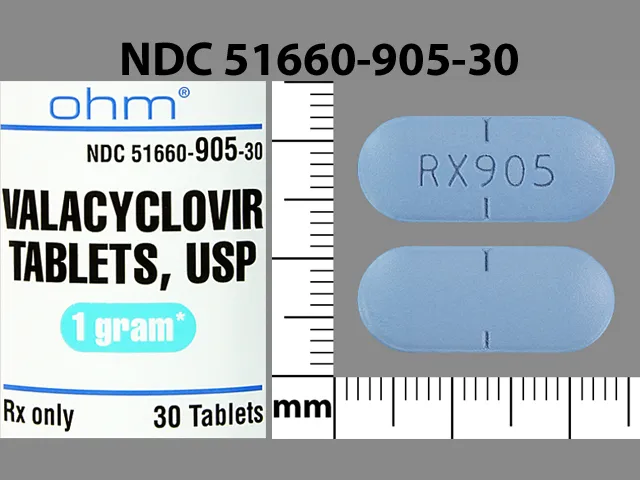
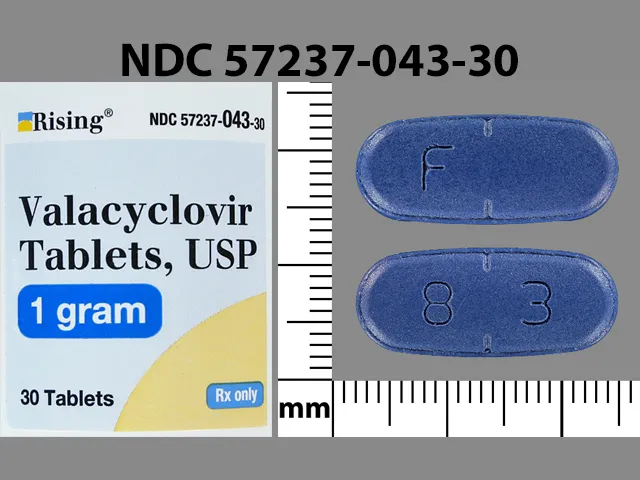


Add WebMD as a Preferred Source to see more of our trusted content across Google Search, AI Overviews, and AI Mode
Are you currently using Valacyclovir (Valtrex)?
This survey is being conducted by the WebMD marketing sciences department.