


 Reviews (674)
Overview: Cephalexin is antibiotic that is used to treat infections caused by certain bacteria. It blocks the bacteria's ability to make their cell wall, which they need to survive. Common side effects may include nausea, vomiting diarrhea, or an upset stomach. Serious side effects are less likely, but may include seizures or a type of diarrhea that is very hard to treat. Contact your health care provider right away if you have muscle twitching, jerking, spasms, tremors, or other uncontrolled movements or if you have diarrhea that is severe, watery, or bloody. Cephalexin is available in several dosage forms, including an oral liquid, tablet, and capsule.
Uses
What is cephalexin used for?
Cephalexin is an antibiotic that is commonly used for the following infections caused by certain bacteria.
- Lung infections, such as bronchitis or pneumonia
- Skin infections
- Ear infections
- Bone infections
- Urinary tract infections (UTIs) and bladder infections
- Prostate infections
Cephalexin may not be the right medicine for some of the infections listed above, depending on which germs are causing the infection. Bacteria in some locations may have become resistant to cephalexin, which will make it less effective.
Cephalexin may also be used for other conditions as determined by your health care provider.
How does cephalexin work (mechanism of action)?
Cephalexin kills certain types of bacteria by blocking their ability to create their cell wall.
How is cephalexin supplied (dosage forms)?
Cephalexin is available in the following dosage forms that are taken by mouth.
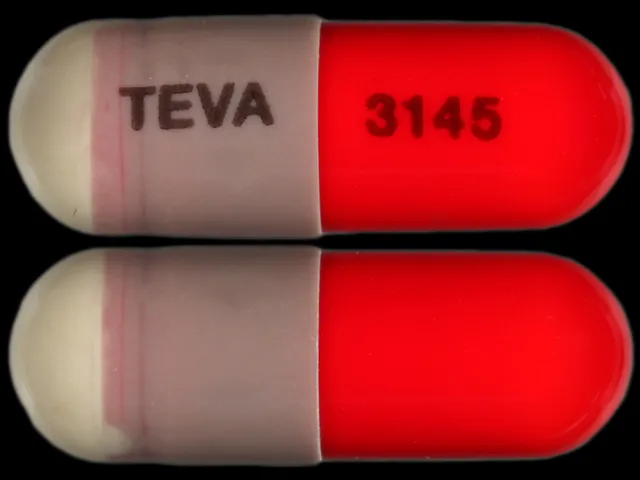
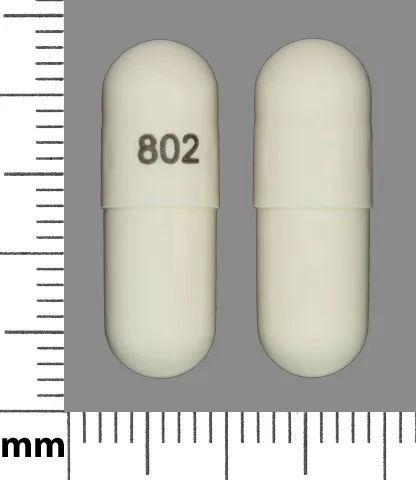
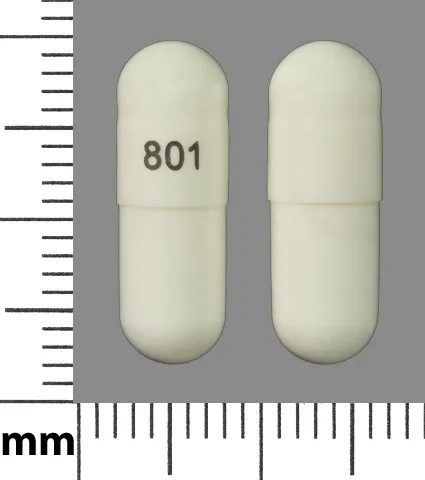
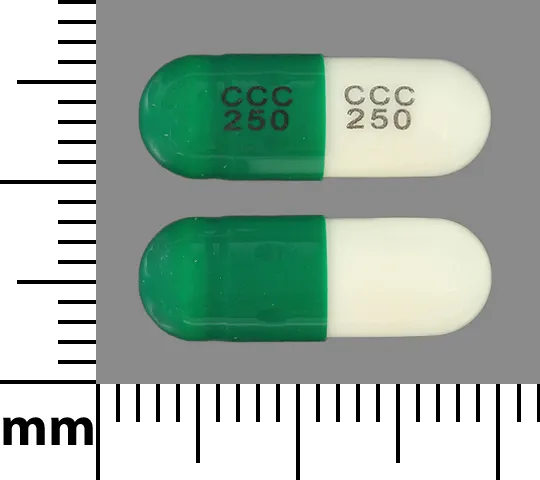
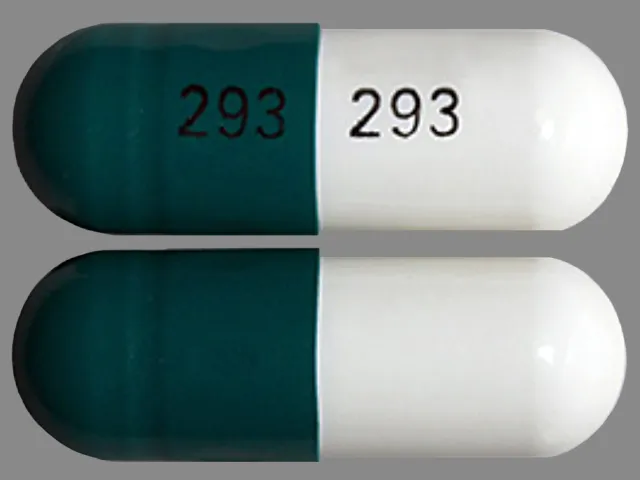
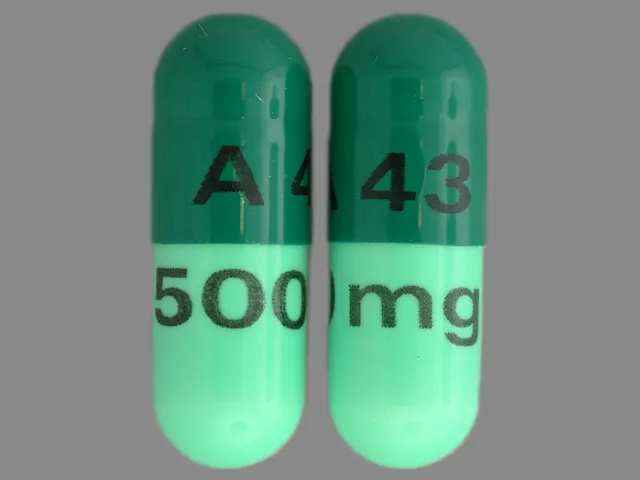
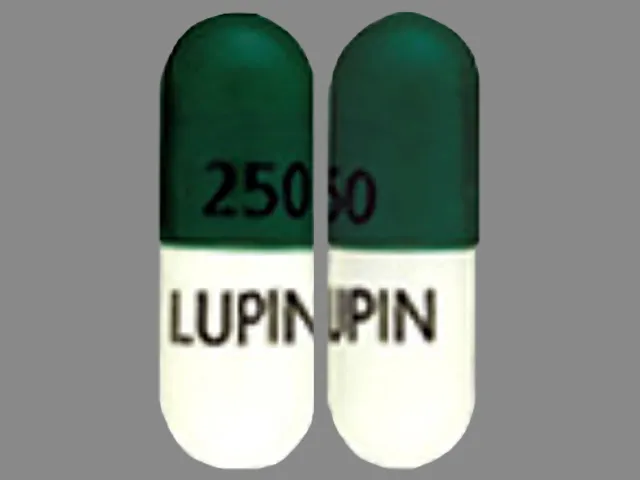
- 250 mg, 333 mg, 500 mg, and 750 mg oral capsules
- 125 mg/5 mL and 250 mg/5 mL oral suspension
- 250 mg and 500 mg oral tablets
How should I store cephalexin?
Oral Capsules and Tablets. Cephalexin should be stored at room temperature, between 68 F and 77 F (20 C and 25 C). It can be exposed to temperatures between 59 F and 86 F (15 C and 30 C) for shorter periods of time, such as when transporting it. Store in a cool, dry place.
Oral Liquid. Cephalexin oral liquid should be stored in the refrigerator. Throw away any unused cephalexin oral liquid after 14 days.
Side Effects
What are the most common side effects of cephalexin?
The most common side effects of cephalexin are listed below. Tell your health care provider if you have any of these side effects that bother you.
- Nausea and vomiting
- Diarrhea (see below)
- Upset stomach (or indigestion)
- Stomach pain
There may be other side effects of cephalexin that are not listed here. Contact your health care provider if you think you are having a side effect of a medicine. In the U.S., you can report side effects to the FDA at www.fda.gov/medwatch or by calling 800-FDA-1088 (800-332-1088). In Canada, you can report side effects to Health Canada at www.health.gc.ca/medeffect or by calling 866-234-2345.
What are the serious side effects of cephalexin?
While less common, the most serious side effects of cephalexin are described below, along with what to do if they happen.
Severe Allergic Reactions. Cephalexin may cause allergic reactions, which can be serious. Stop taking cephalexin and get help right away if you have any of the following symptoms of a serious allergic reaction.
- Breathing problems or wheezing
- Racing heart
- Fever or general ill feeling
- Swollen lymph nodes
- Swelling of the face, lips, mouth, tongue, or throat
- Trouble swallowing or throat tightness
- Itching or skin rash
- Bumps on the skin called hives that can be red, pink, white, or brown depending on your skin tone
- Nausea or vomiting
- Dizziness, feeling lightheaded, or fainting
- Stomach cramps
- Joint pain
Seizures. Some people who have used cephalexin have reported having seizures. There are many different types of seizures and some of them are not easy to recognize. Stop taking cephalexin and call your health care provider if you experience any of the following signs that a seizure is happening or could happen.
- Muscle twitching, jerking, spasms, tremors, or other uncontrolled movements
- Stiffening of your arms and legs
- Feeling anxious, nervous, confused, or a sense of dread
- Feeling dizzy or lightheaded
- Falling or losing consciousness
Antibiotic-associated Diarrhea. An overgrowth of germs called Clostridiodes difficile, or “C. diff,” can happen in your gut with many types of antibiotics, including cephalexin. This can cause a condition known as antibiotic-associated diarrhea and can happen even up to 2 months after stopping the antibiotic. Tell your health care provider right away if you have any of the following symptoms of this condition.
- Watery diarrhea
- Diarrhea that does not go away
- Blood in your poop
- Severe stomach cramps
- Fever that starts after you start or finish the medicine
Blood Disorders. Ceftriaxone may cause your red blood cells to be destroyed, which is called hemolytic anemia. Tell your health care provider right away if you have any of the following symptoms.
- Your skin or the whites of your eyes turning yellowish in color (also called jaundice)
- Unusual weakness or tiredness
- Cold hands and feet
- Dizziness, lightheadedness, or feeling like you are about to pass out
- Shortness of breath
Warnings & Precautions
Who should not use cephalexin?
Allergies to Ingredients. People who are allergic to any of the following should not take cephalexin.
- Cephalexin
- Keflex
- Any of the ingredients in the specific product dispensed
Your pharmacist can tell you all of the ingredients in the specific cephalexin products they stock.
What should I know about cephalexin before using it?
Do not take cephalexin unless it has been prescribed to you by a health care provider. Take it as prescribed.
Do not share cephalexin with other people, even if they have the same condition as you. It may harm them.
Keep cephalexin out of the reach of children. Since cephalexin liquid must be kept in a refrigerator, take special precautions to keep it away from children who also use the refrigerator.
Use an accurate measuring device to measure your dose if you are taking cephalexin liquid. A household spoon is not an accurate measuring device and may cause you to take the wrong dose. Ask your pharmacist to recommend a measuring device.
What should I tell my health care provider before using cephalexin?
Tell your health care provider about all of your health conditions and any prescription or over-the-counter (OTC) medicines, vitamins/minerals, herbal products, and other supplements you are using. This will help them know if cephalexin is right for you.
In particular, make sure that you discuss any of the following.
Current and Past Health Conditions. Tell your health care provider if you have any of the following.
- An allergy to penicillin or other cephalosporins
- Kidney or liver problems
- Poor nutrition or low levels of vitamin K
- History of seizures or epilepsy
Pregnancy. It is not known if or how cephalexin could affect pregnancy or harm a fetus. Tell your health care provider if you pregnant are or plan to become pregnant. Your health care provider will let you know if you should take cephalexin while you are pregnant or trying to get pregnant.
Breastfeeding. Cephalexin passes into breast milk. Tell your health care provider if you are breastfeeding or plan to breastfeed. Your health care provider will let you know if you should take cephalexin while breastfeeding.
Interactions
Does cephalexin interact with foods or drinks?
There are no known interactions between cephalexin and foods or drinks.
It is unknown if drinking alcohol will affect cephalexin, but heavy drinking can slow your immune response and make it harder for your body to fight infection.
Does cephalexin interact with other medicines (drug interactions)?
Always tell your health care provider about any prescription or over-the-counter (OTC) medicines, vitamins/minerals, herbal products, and other supplements you are using.
In particular, make sure that you discuss if you are using any of the following before using/taking [brand or generic name].
- Metformin, which is a medicine commonly used for diabetes
- Probenecid, which is a medicine commonly used for gout
This may not be a complete list of medicines that can interact with cephalexin. Always check with your health care provider.
Overdose/Missed Dose
What should I do if I accidentally use too much cephalexin?
If you or someone else has used too much cephalexin, get medical help right away, call 911, or contact a Poison Control center at 800-222-1222.
What should I do if I miss a dose of cephalexin?
If you miss a dose, take it as soon as you remember. If it is almost time for your next dose, skip the missed dose and only take the next dose. Do not take double or extra doses.
It is important to complete your prescribed course of cephalexin, even if your symptoms get better or go away. This will reduce the risk that future infections are resistant to cephalexin or other similar medicines.
Images
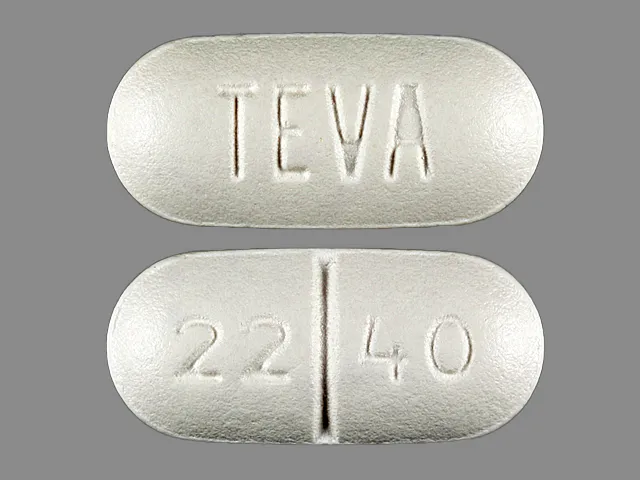
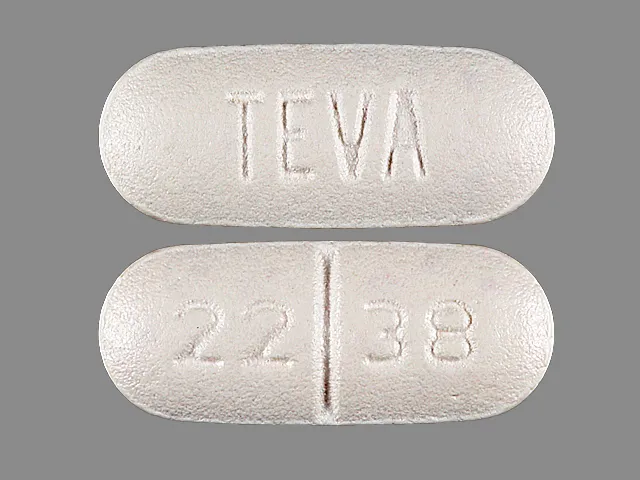
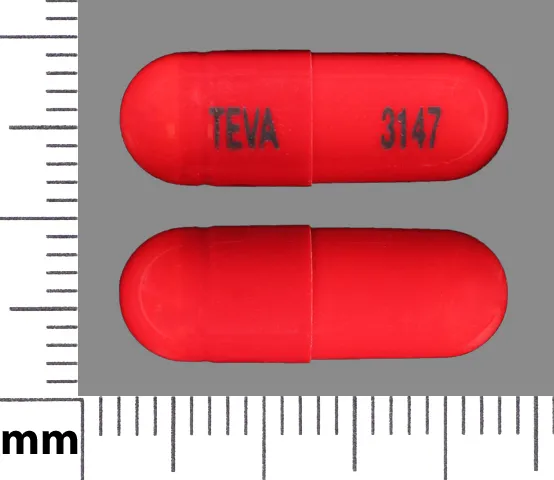
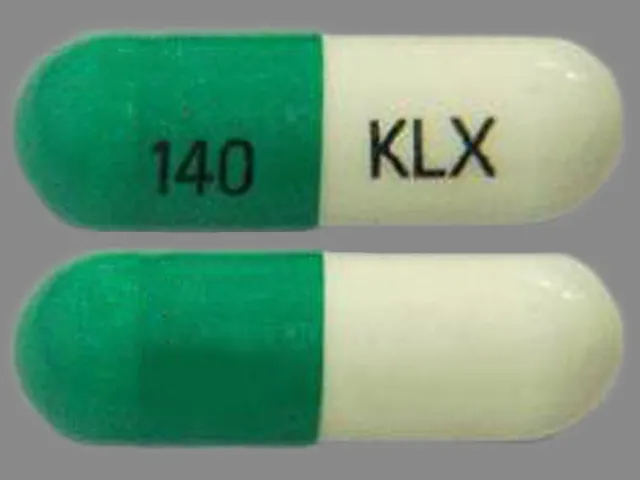
Cephalexin Monohydrate

Add WebMD as a Preferred Source to see more of our trusted content across Google Search, AI Overviews, and AI Mode
Are you currently using Cephalexin (Keflet, Keflex, Keftab)?
This survey is being conducted by the WebMD marketing sciences department.