The ketogenic diet, or keto for short, is a high-fat, moderate-protein, low-carbohydrate diet that has gained a lot of attention as a weight loss method in recent years. But does it really work? If you're thinking about trying the keto diet, here's what to expect.
What Is a Keto Diet?
The keto diet may sound trendy, but it has been around for a while. It first surfaced in the 1920s. Originally, doctors recommended it to help with conditions such as epilepsy and diabetes. But today, some people use the keto diet to lose weight.
For many Americans, carbs like bread, pasta, or potatoes make up more than 50% of their daily diet. Your body breaks down the glucose (sugars) found in carbs to fuel your body with energy.
In the keto diet, the goal is to swap out glucose calories with fat. In a typical keto diet, your nutrition centers on fatty foods, which make up 60%-80% of your daily calories. Proteins make up 15%-20%. Carbs are limited to no more than 50 grams. This makes it quite a restrictive diet.
Studies show that people are more likely to lose weight within the first three to six months on a keto diet than on a balanced diet. But because the keto diet calls for drastic changes in your daily diet, it's best to ask your doctor or a nutritionist if it's right for you.
How Does the Diet Work?
When you're on the keto diet, you're eating too few carbs to support your body's energy needs. As a result, your body turns to burning your stores of body fat to fuel your energy.
When your body burns body fat for fuel, it produces ketones, substances made in your liver. Your body enters a metabolic state called "ketosis."
If you follow the keto diet strictly, your body will reach ketosis in about four days. You will likely even see several pounds of weight loss in the first week.
What Are the Types of Keto Diet?
If you're planning to start the keto diet, keep in mind that there are several types. Each one focuses on slight changes in the proportion of fat, protein, and carbs in your daily diet.
The types of keto diet include:
Standard ketogenic diet (SKD). This is a very low-carb, moderate-protein, high-fat diet. It typically contains 70% fat, 20% protein, and only 10% carbs in your daily diet.
Cyclical ketogenic diet (CKD). This involves periods of higher-carb "refeeds," such as five ketogenic days followed by two high-carb days.
Targeted ketogenic diet (TKD). This diet allows you to add carbs around intense workouts.
High-protein ketogenic diet (HPKD). It's similar to the SKD, but you can eat more protein. The ratio is usually 60% fat, 35% protein, and 5% carbs.
The standard and high-protein diets have been researched and studied the most. They're also the most common. The cyclical and targeted keto diets are recent additions and are mostly used by athletes or bodybuilders.
What Is the Keto Diet Used For?
At first, the keto diet was primarily used as a way to help people with seizures. Over time, experts applied the benefits to several other health conditions, including:
- Cognitive and memory improvement
- Type 2 diabetes
- Cancer such as glioblastoma
- Psychiatric disorders
- Alzheimer's disease
- Autism
- Obesity
The keto diet has been highly effective for certain conditions, especially type 2 diabetes. One study looked at the before-and-after keto diet results for 349 adults with type 2 diabetes over a period of one year. It reversed diabetes in about 60% of the participants. The keto diet also helped many of those in the study to lower their dependence on prescription insulin drugs.
If you have a health condition, it's best to talk to your doctor before you start the keto diet.
How Do You Start a Keto Diet?
To start the keto diet, you may have to toss a few things out of your pantry and add certain high-fat foods to your daily meals.
Talk to your doctor or a nutritionist about what will work best for you. This is especially important if you have other dietary restrictions, such as being a vegan, vegetarian, or having certain food allergies. Experts can help you find alternatives or substitutes and come up with a meal plan that best suits your needs.
Before you start changing your meals, here are some questions you should consider or ask your doctor:
- Will the keto diet help manage certain health conditions?
- Do you need to lose weight?
- What are some of the side effects?
- Should you take or continue vitamins or supplements during the diet?
- How long should you stay on the keto diet?
- Should you exercise? If so, how much?
What Can You Eat on a Keto Diet?
Some keto-friendly foods are:
- Nuts
- Seeds
- Full-fat dairy products
- Greek yogurt
- Non-starchy and fibrous vegetables
- Fatty oils
- Meat
- Fish
- Eggs
- Cottage cheese
- Coconut
For getting 20-50 grams of carbs per day, choose non-starchy veggies such as:
- Broccoli
- Cauliflower
- Peppers
- Mushrooms
- Leafy greens
- Asparagus
- Green beans
In terms of acceptable drinks on the keto diet, you can opt for unsweetened coffee or tea. Cut down on how much alcohol you drink. If you drink alcohol, choose low-carb liquors such as tequila or vodka and use soda water as a mixer.
What Snacks Can You Eat on a Keto Diet?
Keto-friendly snacks are a good balance of healthy fats and moderate protein with low-carb content. You can make some at home or use store-bought versions.
This includes snacks such as:
- Brazil nuts
- Walnuts
- Hazelnuts
- Peanuts
- Coconut yogurt
- Guacamole
- Cheese
- Canned tuna
- Meat jerky
- Olives
- Pork rinds
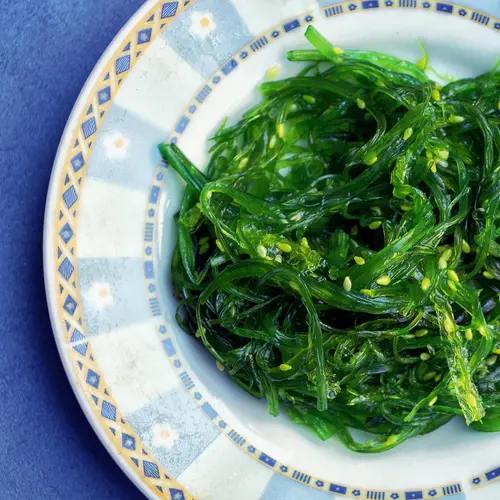
- Seaweed snacks
- Hard-boiled eggs
- Jicama (low-carb root vegetable)
These snacks can help you manage your hunger between meals and stick to staying in ketosis in the long term.
What Should You Avoid on a Keto Diet?
Foods to avoid or limit include starchy and high-carb foods such as:
- Bread
- Baked goods
- Sugary sweets
- Pasta
- Rice
- Breakfast cereals
- Starchy vegetables such as potatoes, sweet potatoes, corn, peas, and beans
- Fruits high in sugars
- Wine
- Beer (unless it's low-carb)
Sample Keto Menu
What does a day on a keto diet look like? Here's a look at an easy sample menu for a day:
Breakfast
- Two-egg omelet with shredded cheese and one cup of vegetables (tomato, onion, peppers)
- Two tablespoons of salsa
- 6 ounces of reduced-fat milk
- 8 ounces of coffee, tea, or water
Lunch
- Salad with two cups of greens, one cup chopped vegetables, half a cup cottage cheese, 1 ounce pecans or sunflower seeds, 1 ounce shredded cheese
- Two tablespoons of vinegrette
- 16 ounces of water
Dinner
- Sheetpan sausage (2 ounces) and vegetables (half a cup of cherry tomatoes, one small bell pepper, one cup sliced squash)
- 16 ounces of water
Snack
- 1 ounce of string cheese
Are There Risks From a Keto Diet?
While research shows that the keto diet helps some people lose weight or manage health conditions, the restrictive diet isn't a good idea for everyone. It may be harmful if you follow the diet incorrectly or without proper guidance.
The keto diet also affects each person differently. While some people can easily adjust to the dietary changes, others may find that their body takes longer to adjust to the sudden changes.
It's important to get your cholesterol checked regularly. The keto diet may lower cholesterol for some people but raise it for others.
The low-carb part of the diet may have long-term consequences for some people. For many, cutting out carbs so suddenly and drastically can lead to what many popularly call the "keto flu." You may get flu-like symptoms as your body adjusts to switching from burning glucose to fat for energy.
Symptoms of keto flu include:
- Stomach aches or pains.
- Nausea
- Dizziness
- Sugar cravings
- Cramping
- Muscle soreness
- Feeling cranky
- Diarrhea or constipation
- Trouble falling asleep or staying asleep
- Poor focus and concentration
- Brain fog
Usually, the symptoms of keto flu start a day or two after you cut carbs from your daily diet. They may last up to a week or less, but in severe cases, they could last up to a month. If the symptoms are severe or persist, see your doctor or stop the diet.
To lessen the chances of getting the keto flu, start the diet slowly, stay hydrated, do only light exercises, and get plenty of rest as your body gets used to your new meal plan.
Another pitfall that experts warn about is that there are too many types of keto diet, and it's easy to do it incorrectly. You may end up eating too many saturated fats instead of healthy fats, which can put you at risk for high levels of bad cholesterol and heart disease. You may also not reach ketosis if you don't follow the diet properly.
The keto diet can also affect your gut health. That's because the diet mostly requires you to cut out nutrient-dense and fiber-rich foods such as legumes, whole grains, starchy vegetables, and fruits. The studies on keto's effects on gut health are mixed, and more research is needed.
Other side effects can include:
- Low bone density and bone fractures
- Constipation
- High cholesterol
- Kidney stones
- Slower growth than typical
- Fatigue
If you're planning to try the keto diet for the first time, ask your doctor, nutritionist, or dietitian if it's right for you. They'll help you come up with a tailored meal plan that may work best for you.
Takeaways
The ketogenic diet is a high-fat, moderate-protein, very low-carb eating plan (usually under 50 grams of carbs a day). It shifts your body into ketosis, so it burns fat for fuel instead of glucose. Many people see faster weight loss in the first three to six months and improvements in things like blood sugar control. On the downside, slashing carbs so dramatically can trigger “keto flu” symptoms (headaches, fatigue, digestive quirks), affect cholesterol or gut health, and isn't the easiest long-term approach. Hence, talk to your doctor or dietitian to check if a keto diet is right for you.
Keto Diet FAQs
What is the keto flu?
Keto flu is not actually a type of influenza. Rather, it is a group of symptoms you may experience when starting a keto diet as your body adjusts to the low-carb, high-fat diet. Symptoms include nausea, headache, fatigue, diarrhea, constipation, dizziness, and brain fog.
Is coconut water keto?
Though packed with lots of nutrients, coconut water also contains a significant amount of carbohydrates, making it a less-than-ideal addition to your keto diet.
What's a good keto breakfast?
Keto diets focus on including foods that are high in fats, low in carbohydrates, and have moderate protein content. For a good keto breakfast, you can go for eggs and bacon, or any protein of your choice.