Exercise for People with Diabetic Peripheral Neuropathy

How Exercise Can Help With Diabetic Peripheral Neuropathy (DPN)
If you have painful diabetic nerve damage in your feet (diabetic peripheral neuropathy), staying active may feel like a challenge. But the right kind of exercise can help you with:
- Stronger muscles for easier, everyday movement
- Better flexibility to keep joints moving and lower injury risk
- Improved balance to reduce fall risk and help you feel steady
- Heart and blood sugar support to raise your heart rate and burn calories
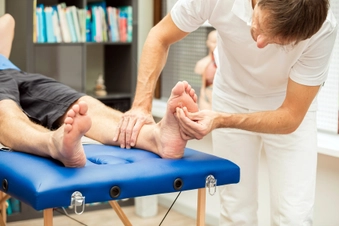
Before You Start, Check In First
It's a good idea to check with your doctor first. They can suggest safe exercises and help you choose what's right for your neuropathy.
Your doctor can:
- Review your health and check for heart, blood pressure, or nerve concerns
- Look at your legs and feet to prevent injury and suggest the best footwear
- Customize an exercise plan just for you, and addoccupational therapy and physical therapy, if needed
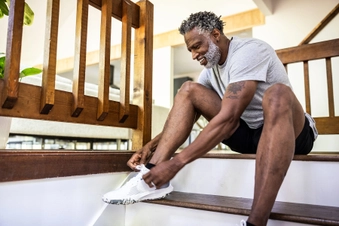
Get Your Feet Ready to Exercise With the Right Footwear
Foot care matters, especially during exercise if you have diabetic peripheral neuropathy.
Check your feet daily. Look for cuts, blisters, redness, or sores. Moisturize on the top and bottom.
Wear the right shoes and socks. Choose proper-fitting shoes to reduce pressure and prevent injury. Check the soles often for wear and tear.
Prevent foot strain. After exercise, tell your doctor about any pain, numbness, or discomfort in your feet.

Stay Away From High-Impact Activities
Running, jogging, longer walks on hard surfaces, or high-impact aerobics can put more stress on your feet, also called high-Impact activity. The repeated pounding and foot pressure can raise your risk of sores, fractures, and joint problems.
Instead, choose gentler activities to help protect your feet while you stay active with DPN.

Low-Impact Cardio Choices for DPN
Low-impact aerobic exercises can raise your heart rate without putting too much stress on your feet. Here are some activities that may be safe and more comfortable:
- Swimming or water exercise
- Riding a stationary bike
- Using a rowing machine
- Seated or chair-based cardio
You can start with short sessions and build up as your comfort level allows.

Stay Active With Foot Ulcers
After your foot sore or ulcer has healed, you can try gentle, low-impact, weight-bearing activities like cycling or short walks. Wear proper shoes to protect your feet, and stop if you feel pain, numbness, or new foot discomfort. If your sore hasn't healed, skip treadmill running and working out in cold or hot weather.
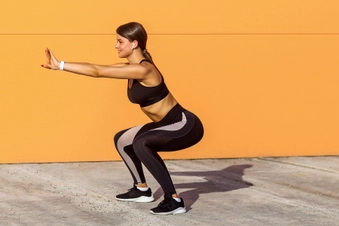
Strength Training Helps Keep Your Muscles Strong
Stronger muscles can improve stability, lower injury risk, and help you stay independent. These exercises can keep your feet and ankles active:
Chair squats. Lower yourself as if you're sitting in a chair and rise with control; repeat 10-15 times.
Gentle calf raises. Lift yourself up onto your toes and lower slowly; repeat 10-15 times.
Seated foot lifts. Sit in a chair, then lift and straighten your leg 10-15 times. Repeat on the other leg.
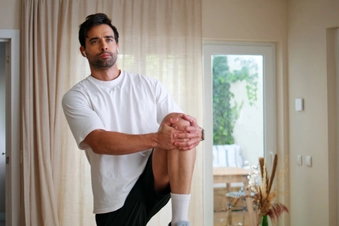
Balance Exercises Help Lower Your Risk of Falling
To help you feel steadier, use a chair or counter for support. Move slowly, and stop if you feel pain or get unsteady.
Heel lifts. As you hold on, lift your heels up, then down 10-15 times.
Knee lifts. While standing, raise up one knee at a time, as you were marching. Repeat 10-15 times.
Leg lifts. Stand up and lift one leg straight back 10-15 times, and repeat on the other leg. Then lift your leg to the side 10-15 times, and repeat on the other leg.

Stretching Keeps You Moving and Flexible
Stretching helps your joints and warms up your body before aerobic exercise. Move slowly and hold each stretch for 5-10 minutes:
Calves stretch. Step back, heel down and leg straight. Lean forward toward the wall. Repeat on the other leg.
Hamstring stretch. While seated, extend one leg out and hold. Repeat on the other leg.
Stretch the bottom of your foot. Sit in a chair, cross your leg, and gently pull your toes back toward your shin.

Build Your DPN Exercise Routine
Start slowly, and add time and more intensity to your workouts. Follow any physical therapist and occupational therapist guidance.
Check sugar levels. Prevent low blood sugar and check your levels. Keep glucose tablets or gummy candy on hand.
Pick a time. Choose the best time of day for you.
Include all three. Balance, strength, and low-impact cardio are key.
Choose enjoyable exercises. Go with lower foot-stress activities that help you stay active longer.


