Having treatment‐resistant depression — depression that doesn't get better, even with multiple interventions — can be challenging. Around 30% of people with depression have this type and are still searching for treatment that works for them.
In a WebMD Reddit AMA about treatment-resistant depression, psychiatrist and professor Vaughn McCall, MD, discussed a variety of topics, including ketamine treatment, genetic risk, and depression treatment affordability.
McCall is a professor at the Medical College of Georgia at Augusta University, specializing in psychiatry and health behavior.
Here are some questions and answers from the Reddit AMA event.
What's our current neurobiological understanding of what causes depression?
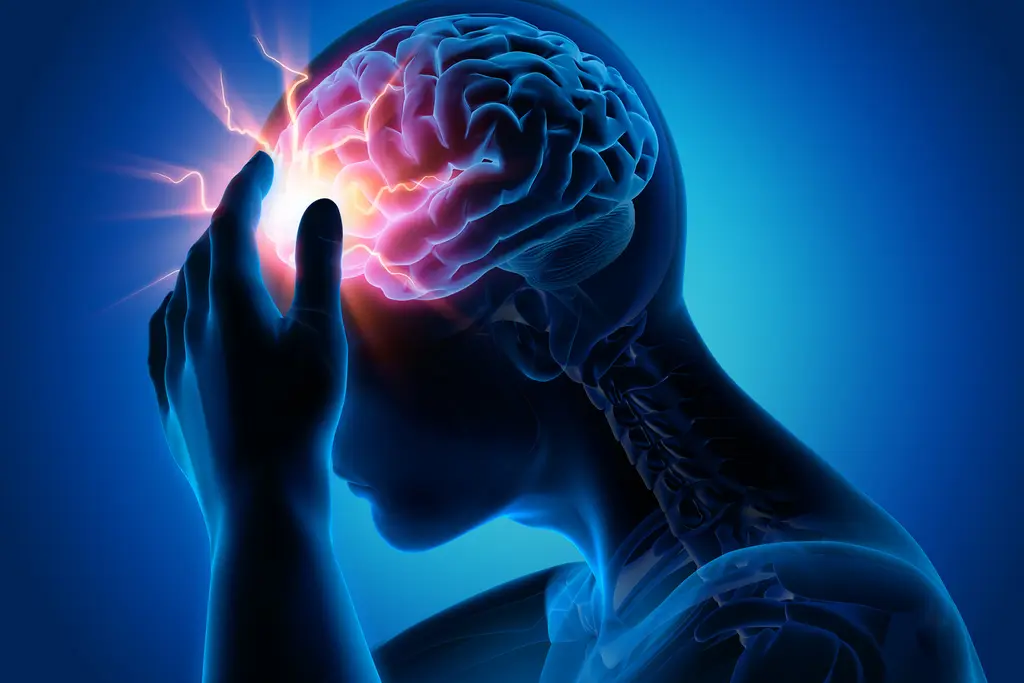
McCall: Animal models of depression from the 1970s showed that when rats were put into impossible situations, it reduced serotonin levels in the brain – hence, the development of standard antidepressants. But in the last 20 years, depression science has moved from a purely neurotransmitter-based understanding to a new focus on brain networks.
The brain is functionally divided into areas with different functions. There's some evidence of poor functioning of the left dorsolateral prefrontal cortex. This underperformance might be reversed with focal treatments like repetitive transcranial magnetic stimulation (rTMS).
What's your experience with ketamine for treatment-resistant depression?
McCall: Any treatment with ketamine should be provided by a psychiatrist or other professional with advanced training in mental health. I would also note that intravenous (IV) ketamine clinics are often not covered by health insurance policies, and many people are faced with a large out-of-pocket expense.
Next, I would caution that the antidepressant effect of IV ketamine is measured in only a few days for many patients, requiring frequent trips back to the clinic for more ketamine. People shouldn't drive cars or operate heavy machinery if they've had a day in the ketamine clinic. So frequent, repeated ketamine IV administration comes with a lot of "down time."
What may be helpful for people who have treatment-resistant depression with severe anhedonia and avolition?
McCall: There are no FDA-approved treatments that specifically address anhedonia (meaning inability to experience pleasure in things that should elicit pleasure). But at least one big pharmaceutical company is considering developing a medication for anhedonia. In the meantime, there are a few psychiatrists who will offer off-label – meaning not FDA-approved – medications that boost dopamine function in the brain. Dopamine-enhancing medications are the same meds that are prescribed for people with Parkinson's disease.
What do you think about the research into psychedelics to treat medication-resistant depression?
McCall: I think the research is worthwhile, and I'm glad to see this research go forward. But for now, I view it as experimental and I don't recommend this approach for my patients. On the other hand, I wouldn't chastise someone for pursuing this on their own.
Is there any merit to the idea that magnesium deficiency is at least partially responsible for treatment-resistant depression, or that magnesium supplementation can improve the odds of treatability?
McCall: Depression would rarely be related to magnesium deficiency. But once in a while, a medical condition will throw blood chemistries out of whack. Common culprits would be abnormalities in serum calcium or sodium. And vitamin deficiencies can be a problem, too.
For example, there's modest literature supporting using vitamin D supplements in depressed folks with vitamin D deficiency. It's useful to get basic bloodwork done at some point during depression treatment, especially if things aren't progressing nicely.
Can depression be passed on to future generations? Is there a way to prevent kids from having depression one day?
McCall: There's a modest, increased risk of depression in the offspring of parents with depressive illness, but the risk should only give real pause if the parents have bipolar disorder. The children of parents with bipolar are more likely to have depression, compared to the offspring of parents with non-bipolar depression.
That said, what can we do with our parenting styles that might provide real protection? I belong to that group of people who see real danger with too much "screen time," especially social media. I'm a father of three grown men who were blessed with being born before social media became "a thing." As painful as it is, I really believe that we have to significantly reduce social media exposure to protect our children's (and grandchildren's) mental health.
What do you suggest to people who can't afford care?
McCall: This question reflects some of the deficiencies in the delivery of health care in the USA. No doubt, health inequities exist. Many parts of the country offer public mental health clinics that are funded by local and federal dollars, and these may provide care with no copay. But there are other costs of getting care: time off work, time off from providing care for kids, not having transportation, etc. So, if getting free professional help isn't an option for whatever reason, then self-care is a necessity. A short list of best self-care practices for depression includes:
- Regular exercise
- Eating healthy (Yes, I know that the healthiest food might be expensive.)
- Laying off alcohol and cigarettes
- Pushing yourself to participate in social groups
As a mental health practitioner, what are some things you wish other clinicians knew about the treatment of depression that you feel they're missing?
McCall: The treatment of depression is so dominated by medication prescriptions that we may miss actually getting to know the patient beyond the diagnosis of depression. All of us treating depression – psychiatrists, primary care doctors, nurse practitioners, physician assistants – need to take the time to learn the patient's story.
What are you most excited about with regard to upcoming treatments/modalities for treatment-resistant depression?
McCall: There are several lines of progress that are exciting in the treatment arena. There's an FDA-approved medicine that uses the old cough medicine dextromethorphan to block a set of neurotransmitter receptors in the brain called NMDA receptors. These are the same receptors that seem to be involved with the antidepressant effects of esketamine. The way I explain this oral medication is that it's like "ketamine lite." I'm sure it won't work for everyone, but we need some new developments in treatment besides changing serotonin and norepinephrine receptors. So, I'm pumped that we have an oral medication that has a novel mechanism.
Another interesting development is "do-it-yourself" at-home brain stimulation. Many people are familiar with ECT, which requires anesthesia, and rTMS, which requires trips to the clinic. But there are two new types of treatment in development for depression. One is called tACS (transcranial alternating current stimulation), and the other is called tDCS (transcranial direct current stimulation). These stimulating devices work on very low currents and might be powered by a 9-volt battery. You simply apply the electrodes to your own scalp and turn it on for several minutes at home. Side effects tend to be minimal, including scalp tingling. A tACS device was recently approved by the FDA.
Show Sources
Photo Credit: E+/Getty Images
SOURCE:
Vaughn McCall, MD, psychiatrist; professor, Medical College of Georgia, Augusta University.