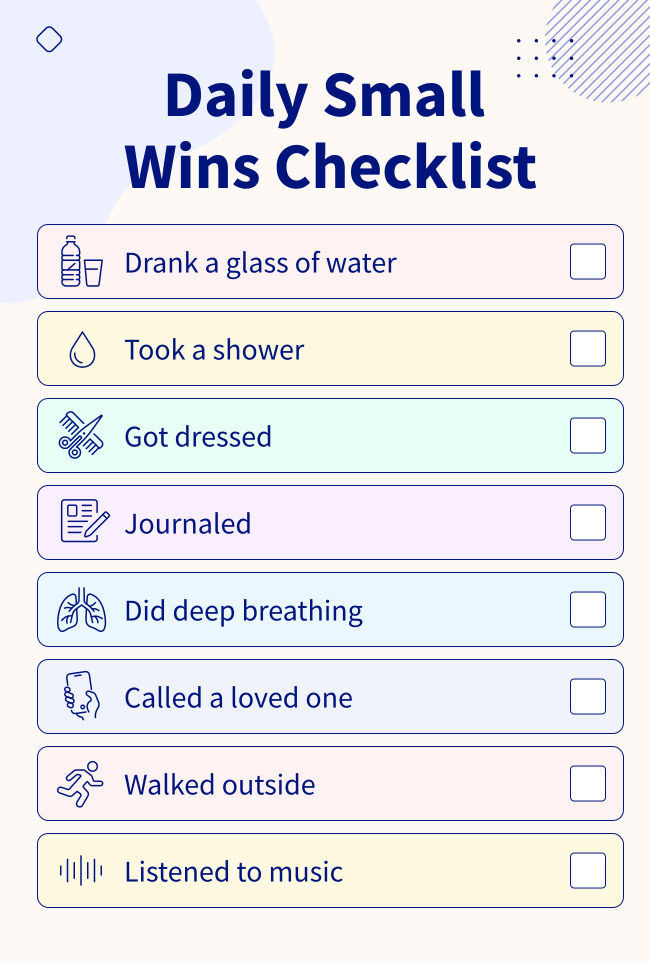
Depression can strike at any age, but it can feel especially debilitating if you are a woman in your 40s or 50s. It seems like just the other day you were easily juggling all of life’s responsibilities — and now, even the most basic task seems too difficult. One helpful trick is to break those tasks into realistic, achievable chunks. These small wins can turn your mindset around without overwhelming you and help you start to feel more like yourself.
Why Depression Can Feel Worse During Midlife
“There’s a significant hormonal change as we enter perimenopause,” explains Sheila Dowd, PhD, chief of psychology in the Department of Psychiatry and associate director of the Center for Anxiety and Traumatic Stress at Rush University Medical Center in Chicago. “The symptoms of those hormonal changes really start in the 40s and go on for much longer than we understood. Combine that with what we know happens with major depression — poor concentration, low energy, feelings of hopelessness and helplessness — and we’ve got these two things coalescing together that make it really a powerful experience of symptoms.”
Why Small Wins Matter
Breaking down goals into small building blocks makes them easier to achieve. “We have to change the rules for accomplishment— switch from ‘I dropped the kids off, I went to work, and I did grocery shopping’ to ‘I opened up, I got sunlight, I had something to eat, I sat on the couch, ” Dowd says.
While big goals can seem daunting, small wins can provide more opportunities for joy and motivation, helping you build momentum, confidence, and a feeling of accomplishment. Your focus shifts from what you didn’t accomplish to what you did. What’s more, when you celebrate each win, your brain releases feel-good chemicals such as dopamine that improve your mood and provide motivation to keep moving ahead.
What are the best ways to celebrate small wins? “A lot of people like to reward themselves with flowers, a book, or music. We always fall into the habit of rewarding ourselves with food, which is a mixed bag, but it does sometimes help us feel better,” Dowd says. Other ways to celebrate include writing down each small win in a journal (review it when you need a boost) and texting a friend. “Check-ins with people on your support team and feeling supported by their positive response are great,” she says.
Here are mini goals that allow you to achieve small wins in the most important parts of your life.
Morning Routine Small Wins
Sticking to a daily schedule, even a simple one, helps set the tone for the day, Dowd says.
What it can look like
- Drink a glass of water (put it on your nightstand before bed). Without proper hydration, your body makes more cortisol (the stress hormone) and less dopamine and other feel-good chemicals.
- Move from the bed to another room.
- Open the curtains. Light exposure helps relieve depression. In winter, a light box may be an option.
- Exercise input control. Think of one thing you’d like to do today before going on social media or doomscrolling (which can trap you for hours). This helps regulate your emotions.
- Have your coffee outside to take advantage of natural light in warmer months.
Why it matters
Setting up a small routine for the morning can stop the inactivity that depression causes. “If you have more energy in the morning and can do these things, you will be able to reflect on it later in the day and say, ‘I accomplished something today,’” Dowd says.
Personal Hygiene Small Wins
One of the first signs of depression is a lack of interest in your own care, which can worsen over time. Taking care of personal hygiene is an important step on the road to recovery. Re-establish these habits one at a time, but make this a priority.
What it can look like
- Shower.
- Wash your hair.
- Brush your teeth.
Why it matters
“Let’s say you’re feeling tired when you wake up, yet you go ahead and shower. That took a lot of energy — you almost want to go back to bed — but then you think to yourself, ‘I smell good, and I feel good,’” Dowd says. “You’ve made a small dent in negative thinking. Those 5 to 10 minutes of joy are something to build on that you wouldn’t have had if you hadn’t taken that shower... When you get in little moments of joy, you’re also helping your medications work better against that very strong depression that’s paralyzing you.”
Self-Care Small Wins
Taking care of your physical and emotional well-being can seem like a huge task, but each of these small steps can improve how you feel and how you feel about yourself.
What it can look like
- Stick to the same sleep and wake-up time each day.
- Eat regular, healthy meals, starting with breakfast.
- Send yourself a greeting card or an encouraging note.
- Take your meds.
- Put on lipstick.
- Change out of your PJs: fresh day, fresh clothes, fresh start.
Why it matters
“If you look for specific positive things to do, you’re going to get a chemical payoff in the brain,” Dowd says. “The brain’s going to love that sense of accomplishment — you feel good about what you’ve done, and it really does translate to how your brain is working.”
Small Wins in Daily-Life Responsibilities
Make a daily schedule, but break it down into small parts. Without a goal, it’s easier to linger in bed and harder to recover.
What it can look like
- Pick just one small, low-energy task to accomplish from your to-do list.
- Order groceries.
- Do one load of laundry.
- Make your bed.
Why it matters
“Maybe you don’t have the energy to clean your whole bedroom, so you say, ‘I’m only going to make my bed today,’” Dowd says. “Or you pick just one load of laundry. You might think, ‘I don’t want to have to fold, so I’ll wash what I can, just toss in a drawer and grab when I need to.’"
Very small efforts can build to larger success, Dowd says. "When we don’t do all the things that we’re supposed to be doing, we start to talk to ourselves negatively. So, if you have something positive that you can counter that with, like, ‘I did do a load of laundry — I’m feeling terrible, but look what I did,’ you can create a sense of hopefulness.”
Emotional Regulation Small Wins
The emotions that go haywire with depression can zap all desire to do anything. Small steps can help you refocus. “You need a toolkit of things that you can do, depending on how emotional you’re feeling,” Dowd says.
What it can look like
- Meditate.
- Use a journal to write down something you’re grateful for or proud that you got done.
- Spend five minutes on focused breathing where you notice the air coming in through your nose and exhaling through your mouth.
- Place your hands under cold running water. “If you’re really emotionally dysregulated, it’s hard to journal or to meditate,” Dowd says. “Sometimes simply running the cold water and feeling the coolness helps you in that moment. Or splash it on your face. It can bring your thoughts back to ‘I’m here, I’m safe, I’m in my bathroom, I’m okay.’”
Why it matters
When you’re in a highly emotional state, it helps to realize and process it in that moment and wait it out, Dowd says. “Because emotions change. They shift up and down all day long.”
Small Wins in Your Relationships and Social Connections
Reconnecting with people can help lift your mood. Use some of your energy to contact others, Dowd says.
What it can look like
- Send a loved one an email, and set up a time to talk on the phone.
- Text a hello to an important person in your life to reconnect.
- Smile at people when you’re outside or standing next to someone at the grocery checkout or say hello to the clerk.
- Volunteer. Helping others can lift your spirits.
Why it matters
“You see the bigger world when you chat with people, say hello, or just nod your head — anything that makes a connection. You don’t have to be a social butterfly,” Dowd says. “And when you have a friend who calls to check in every morning, you feel that you’ve got someone supporting you," and you can celebrate together, she says.
Small Wins at Work
“It’s complicated when you have demands from a lot of people, and you’re feeling the pressure at different levels,” Dowd says. Energy management can get you a small win.
What it can look like
- Time tasks to your energy level. “Identify when in the day you have the most energy and use that time to work on one project,” Dowd says.
- When your energy is low, do low-energy activities, such as checking emails or entering numbers in the spreadsheet.
- Don’t overdo it on good days. Avoid trying to do everything possible on high-energy days, Dowd says. “You’ll be completely burned out by the end of the day.” Pace yourself until your energy level is consistently high for two weeks.
- Jot down your goals — you’ll be more likely to achieve them.
- Write down your achievements — they’ll build on each other.
Why it matters
Completing small tasks creates feelings of self-satisfaction. “Build a list of the things you’ve done. Little by little, you will have a sense of achievement,” Dowd says.
Self-talk helps too. “Tell yourself, ‘I got five things done when I’m feeling my worst! I’m going to therapy, I’m taking my medications, and I’m here at work even when I don’t feel well. Next week, maybe I can get six things done!’” Dowd says.
Parenting Small Wins
Depression can be even more difficult to manage when you’re a parent and feel guilty because you can’t take care of your kids the way you want. “A lot of parents work past their depression when they're with their kids,” Dowd says. “They try to be there for them and do what they need to do, and that’s exhausting."
Children can sense when something’s wrong even if they can’t express it in words, Dowd says. "There are age-appropriate ways to have small wins, especially when you can depend on others to help with the most engaging tasks.”
What it can look like
- If you have teens, give them some of the independence they’re craving. “This might be an opportunity for you to take a step back and communicate to them that they can do certain things without you,” Dowd says. “That way you can conserve some energy, and they feel a sense of accomplishment — it’s a win-win.”
- Bring in other family members to help. They might be able to cover for you on some days, do pickups from school, or go to a soccer game. “This gives children the opportunity to spend more time with their grandparent, aunt, or uncle,” Dowd says.
- Look for low-energy experiences to share. When you don’t have a lot of energy but want to spend time with the kids, read a book, watch a TV show, or play a game on your iPad with them. If they have a lot of energy, you might go outside and let them run around while you sit in a chair, Dowd says.
Why it matters
Having low-energy activities to do with your kids keeps you connected, and these small wins can ease guilt. “Tell yourself this is temporary, and in the interim, they have a chance to feel safe with other family members, which is a nice thing for kids,” Dowd says. Also, make sure you have recovery time for a nap or to rest on those days when you attend events or drive them all over town, she says.
Physical Movement Small Wins
Even when you feel that you can barely get out of bed, you can still gain a win with just a few minutes of movement.
What it can look like
- Spend five minutes outside.
- Do one minute of movement a few times a day.
- Try a mind-body exercise, such as yoga, to get double the win.
- Count daily activities as exercise. Walking the kids to school, playing fetch with your dog, and going grocery shopping (and parking the car a few extra steps away from the front door) are daily responsibility wins and physical movement wins.
Why it matters
Exercise is great because of the mood boosts it brings on top of the fitness advantages. While 30 minutes a day is the universal goal for health, if you’re having a particularly bad week, any kind of short experience, such as a five-minute walk, is a win.
Small Wins in Cognitive Focus
“Depression does impact cognitive skills, but we find that they come back once the depression has remitted,” Dowd says. In the moment, there are coping strategies that can give you a win.
What it can look like
- Keep lists for appointments, food shopping, and daily tasks to avoid relying on your memory.
- If reading a book is too hard, listen to an audiobook.
- Break down activities that require heavy focus into small steps.
Why it matters
Aligning tasks with your cognition level will help you avoid frustration as you work through depression.
Small Wins in Reconnecting With Yourself
Depression can take away the enjoyment you used to get from your favorite activities. You can try enjoying these pastimes again. Start with the ones that don’t require a lot of energy, Dowd says.
What it can look like
- Watch a television show.
- Listen to music.
- Experiment with a new nail polish color.
- Coloring in a coloring book.
- Consider behavioral activation. This form of cognitive behavioral therapy (CBT) helps ease depression by engaging you in rewarding activities. It can be as simple as buying a plant, watering it, and watching it grow, Dowd says. “It’s low energy, but you get to see beauty in the world.”
- Try a new hobby. “This might be an opportunity to buy a crochet or needlepoint kit, something you didn’t have time for before,” Dowd says.
Why it matters
“If you engage in something that you really enjoy and get lost in, that’s an accomplishment,” she says.
How to Build on Your Small Wins (When You’re Ready)
Every small win can give you the motivation to go for the next one. And they can add up to big wins. “When we’ve done something and we feel accomplished, it energizes us to try something again,” Dowd says. “And if we can get more accomplishment or joy in the day, that starts to create the foundation to feel ‘Maybe I am going to make it. Maybe I’ll get through this episode.’ It gives you that hope, and hope is so important in coping with depression. It’s essential that you find those spaces where your outlook is shifting."’”
Counting Your Wins Without Feeling Overwhelmed
Even while aiming for small wins, don’t put too much pressure on yourself. You may want to do X, Y, and Z, but it’s not all-or-nothing: Focus on the fact that it’s a win if you only achieve X.
“We’ve discovered that depression changes the information you’re capturing — you’re only picking up the negatives. One way to stop that is through cognitive reframing, to say, yeah, there’s some negative, but there's also some positive. Let’s get them both on the table," Dowd says.
Think about what's most likely in the current space. "It’s probably going to be a bit more positive than that negative thought that popped in initially,” Dowd says.
What to Do on Days When Nothing Feels Possible
Doing nothing doesn’t mean going backwards. “It’s about how you talk to yourself that day,” Dowd says. “Say ‘Today is going to be my nothing day. I'm not going to put any pressure on myself. I’m not going to judge myself. I’m not going to explore what I’ve done or not done in my life or look at old relationships. I’m just going to stay in the moment and make it through today, and then I’ll reassess tomorrow.’"
But do know the difference between one tough day and a long stretch of tough days. If depression symptoms leave you unable to attend to your basic needs or, worse, have led to thoughts of harming yourself, call your doctor or a depression hotline right away.