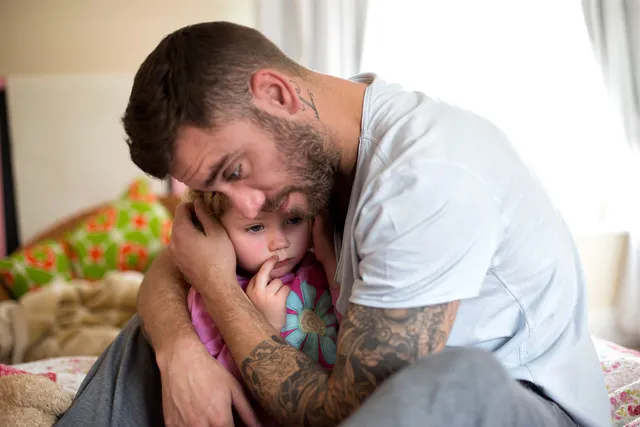
Pediatric low-grade glioma (pLGG) is a chronic disease. Because these tumors grow slowly, kids often stay on treatment for many years. The time and effort needed to manage pLGG puts added stress on caregivers and other family members. Good support can make your daily life run more smoothly and prevent burnout. It's easier to get the right help when you know what you need and who to ask.
Build a Team
Caregiving might feel lonely, but you're not alone. A whole team of helpers is just waiting to be asked. Family, friends, co-workers, and neighbors can all step in when needed. Assign tasks based on people's skills. Ask a friend who cooks to make meals for the week. See if a relative with good organizational skills can help manage medications. Find a neighbor who doesn't work full-time to drive your kids to after-school activities.
Make a To-Do List
Write down every task you need help with. Be specific: Shop for groceries. Vacuum the den. Get the mail. Change the kitchen light bulbs. Watch your kids while you run errands. Include detailed instructions for each chore so you don't have to explain it over and over. Store a copy of the list on your phone or computer. When someone asks how they can help, send it to them.
Consider Posting Updates
Keep family members and friends in the loop. One way to update everyone on your child's progress is to choose a family "spokesperson" to talk for you. Or set up a private group page online to share information and coordinate help. These pages are easy to create on websites like CaringBridge.org, MyCancerCircle.net, MyLifeline.org, and LotsaHelpingHands.com. Share only as much information as you're comfortable revealing.
Lean on Each Other
A serious diagnosis can strain even the strongest relationships. Support each other as a family. Set aside a few minutes each day to talk and listen. Give each person a chance to express their feelings and needs. Also make time for fun. Go to the movies or a playground together. Listen to music. Play a board game. Text or call your partner and kids with positive messages to brighten their day.
Join a Support Group
Support groups give you a chance to meet other families with pLGG and feel like part of a community. Ask questions and get advice on what helped them most. You can check social media or ask your child's doctor if their hospital hosts groups. Organizations like these offer in-person and online support for families:
- American Brain Tumor Association
- Pediatric Brain Tumor Foundation
- Children's Brain Tumor Foundation
- Momcology
Ask Your Team
Your child's treatment team is more than doctors and nurses. It's full of support staff to call for help. The child life specialist has tips to keep family life as normal as possible during treatment. The dietitian can create a healthy, well-balanced meal plan. A psychiatrist or psychologist offers emotional support and tips to improve your child's quality of life. And the social worker can connect you to resources like financial aid and transportation.
Reconnect With Friends
Families put their social lives on hold during treatment, which strains friendships. Friends may stay away because they don't know what to say or how to act around you or your child. Stay connected through text messages, phone and video calls, and social media. Once your child is well enough, encourage them to get back to school and activities – with modifications, if needed. Schedule time for playdates and get-togethers.
Don't Disappear
Friends and extended family have an important support role after a pLGG diagnosis. But some people get so overwhelmed that they disappear. Called "cancer ghosting," this absence makes the child with pLGG and their family feel abandoned. Be honest if you're not sure what to do or say, but don't let fear keep you away from loved ones who need you.
Rally Support
It takes a village to help a family with pLGG. If you're too busy to volunteer yourself, reach out to other friends, family members, neighbors, and people in the community. Start a meal train. Host a bake sale or 5K walk to raise money for treatment. Set up a schedule for people to pet sit, grocery shop, drop off meals, or help the family in other ways.
Show Sources
Photo Credit: E+/Getty Images
SOURCES:
American Brain Tumor Association: "Pediatric Low-Grade Gliomas (LGG)."
B-Present: "I Have Cancer, and No One Cares: What Is Cancer Ghosting?"
Massachusetts General Hospital: "Taking Care of Yourself as a Caregiver."
National Cancer Institute: "Support for Families: Childhood Cancer."
Pediatric Brain Tumor Foundation: "Newly Diagnosed."
Roc Solid Foundation: "How to Help a Family Who Has Been Diagnosed with Childhood Cancer."