You might be a seasoned pro at trying to keep your child from catching the common cold, flu, and COVID-19. But as your kid becomes a teenager and then a young adult, you'll also want to help protect them from a serious contagious disease called meningitis.
Meningitis is an illness in which the tissues that surround your brain and spinal cord, called meninges, become inflamed. Viruses, fungi, and parasites are among the things that can cause meningitis. But among people under 20 years old, bacteria that spreads from person to person is often the cause. Bacterial meningitis can be life-threatening without fast treatment.
There's a lot you can do to help your teen or young adult avoid getting this contagious illness, though. Here's what you need to know about vaccines and healthy habits that can greatly boost your child's chances of avoiding bacterial meningitis.
Get Your Child Vaccinated
This is the most important step to help protect against the most common and severe bacteria that cause the illness. The vaccine that most children get to prevent bacterial meningitis is called the meningococcal conjugate vaccine (MenACWY). Experts recommend getting a dose of it at age 11 or 12, and a booster dose at age 16. If your teen or young adult hasn't gotten vaccinated yet, talk with their doctor about helping them catch up.
Another type of vaccine, called the meningococcal B vaccine (MenB), is available for people 10 and older who are at high risk of getting an infection that can lead to bacterial meningitis. That includes children and young adults who have certain health conditions, such as sickle cell disease. It's not yet considered a routine vaccine.
A third type of meningococcal vaccine combines the MenACWY and MenB into one shot. It's called MenABCWY.
Encourage Them to Steer Clear of Sick People
Not everyone who carries germs that cause bacterial meningitis gets sick. But those who do become ill can spread the disease through sneezes and coughs. So encourage your teen or young adult to keep their distance from friends or significant others who aren't well.
If your child finds out that they've had close contact with someone who has bacterial meningitis, have them call their doctor right away. Preventive treatment with medicines called antibiotics could lower your child's chances of getting sick.
Also, teach them to know that if they feel sick, they can help prevent the spread of germs if they:
- Cover their mouth or nose when they sneeze or cough.
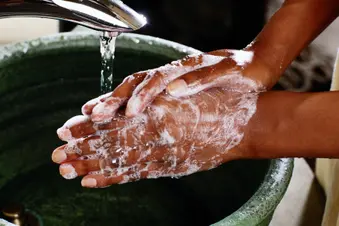
- Wash their hands often with soap and water, scrubbing for at least 20 seconds – especially after sneezing, coughing, or caring for someone who's sick.
- Clean and disinfect surfaces that they've sneezed or coughed on, like phones, keyboards, and countertops.
- Stay home from school or work until they've recovered.
Teach Them Not to Share Personal Items
Your teen or young adult might not think twice about using a friend's or significant other's personal items. But doing so can spread the germs that cause bacterial meningitis. Teach your child not share items like:
- Towels
- Food
- Drinks
- Straws
- Utensils
- Toothbrushes
- Cigarettes
Practice Healthy Habits as a Family
Focus on teaching your teen to eat right, stay active, and get enough sleep. These habits help build a strong immune system, which might keep bacterial meningitis germs from making your child sick.
When teaching healthy habits, keep in mind that it helps to be a good role model and practice what you preach. So have the whole family take steps like these:
- Eat a balanced diet. Fill up on lean proteins, fruits, vegetables, and whole grains. Limit sweets, fast food, and processed food (which often comes in a package like a box).
- Stay physically active. Teens should aim to get at least an hour of moderate to vigorous activity a day. Young adults should try to do at least 150 minutes of moderate activity, 75 minutes of vigorous activity, or an equivalent mix of both each week. They should also aim to do two or more strength-building activities a week.
- Get enough sleep. Teens need about eight to 10 hours of shut-eye a night. Young adults should aim to get at least seven hours a night.
Urge Them Not to Smoke Cigarettes
Your teen or young adult may already know that it's healthy in general not to light up. But you can also let them know that not smoking helps prevent bacterial meningitis by keeping the immune system strong. So does avoiding secondhand smoke.
If your teen or young adult smokes, urge them to quit. Let them know they can ask their doctor for help.
The Bottom Line
Sure, your teen or young adult may have heard you give advice along these lines a million times before. But try to ignore any eye rolls. Some gentle reminders now and then can't hurt.
Let them know that even though there are treatments for bacterial meningitis, it's better to avoid catching it in the first place. Without fast treatment, the condition can lead to other severe health problems, like stroke, paralysis, and even death.
So get your child vaccinated against bacterial meningitis, teach them the steps they can take to prevent it, and be sure to follow those steps yourself.
Show Sources
Photo Credit: Photodisc/Getty Images
SOURCES:
Cleveland Clinic: "Bacterial Meningitis."
Johns Hopkins Medicine: "Bacterial Meningitis."
Mayo Clinic: "Meningitis," "How many hours of sleep are enough for good health?"
Nemours TeensHealth: "Meningitis."
Nemours KidsHealth: "Meningococcal Vaccines for Kids & Teens."
HealthyChildren.org: "Meningococcal Disease in Preteens, Teens & Young Adults."
World Health Organization: "Physical Activity."
National Institutes of Health: "Shape Your Family's Habits."


