Soft palate cancer is a type of oropharyngeal cancer, which means it involves the middle part of the throat — an area that includes the tonsils, the base of the tongue, and the sides and back wall of the throat, as well as the soft palate.
“Cancers involving only the soft palate are rare,” says Michael Moore, MD, a specialist in cancer removal and reconstructive surgery in the head and neck at Indiana University Health and president of the Head & Neck Cancer Alliance Board of Directors.
Of the estimated 53,000 people diagnosed with oropharyngeal cancer each year in the United States, about 5%-12% have soft palate cancer.
What Is Soft Palate Cancer?
Soft palate cancer happens when cancer cells start to grow in the soft palate, the muscular flap that hangs down in the back of the throat. The uvula is at the center of the soft palate, which helps block air, food, and water from entering the back of the nose. This is critical for speech and swallowing.
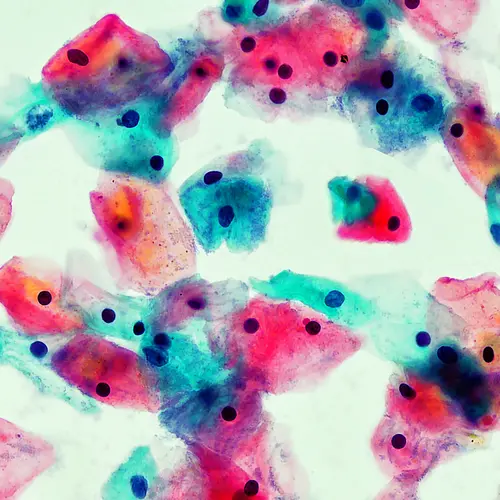
Soft palate cancers usually form in the squamous cells, the flat cells that cover the lining of the mouth and throat, as well as your skin. As these cells multiply they can form cancerous tumors. Like any cancer, soft palate cancer can spread (metastasize) to other parts of the body. But soft palate cancer is often diagnosed before it can spread, which can make treatment easier.
Soft Palate Cancer Symptoms
Soft palate cancer symptoms range from those shared by tonsillitis or a common cold to symptoms that are much more painful and concerning.
“Soft palate cancers typically present as a persistent sore throat that does not improve with antibiotics,” Moore says. “They also may cause ear pain, which is due to referred pain from nerves in the throat.”
Moore adds that other soft palate cancer symptoms include:
- A hard time swallowing
- A lump in the neck (representing cancer that has spread to a lymph node)
- Bleeding in the throat or mouth
- Change in the how your voice sounds
- Ear blockage
- A hard time opening your mouth
You may also get soft palate cancer symptoms that may not seem obviously connected to a throat problem, such as bad breath, loose teeth, or unexplained weight loss.
What Causes Soft Palate Cancer?
It’s not always clear why soft palate cancer happens. Changes in the DNA of the squamous cells on the soft palate can signal the cells to multiply quickly. As a result, healthy cells die as they normally do, but the cancer cells go on living and multiplying.
Soft Palate Cancer Risk Factors
The main soft palate cancer risk factors include lifestyle behaviors that can damage tissue in the throat.
“The primary risk factors are smoking tobacco and drinking alcohol,” Moore says. This includes all types of tobacco and frequent or heavy alcohol consumption.
The human papillomavirus (HPV) is the most common sexually transmitted infection in the world, and a major risk factor for several types of cancer. This includes tonsil cancer and other oropharyngeal cancers.
“Throat cancers related to the HPV can affect the soft palate, but usually these tumors start in the tonsils and extend to the palate,” Moore says. “It is rare that HPV-related cancers originate on the soft palate.”
How Is Soft Palate Cancer Diagnosed?
If you have symptoms or your health care provider notices anything concerning during an exam, you and your doctor will review your symptoms and medical history. You should also be honest about things such as tobacco use, alcohol use, and any history of HPV infection.
Your doctor should take a close look at your throat, using a mirror or tiny camera to get a detailed look at any suspicious tissue. If they find any, your doctor may do a biopsy, which is the surgical removal of a tiny piece of tissue to be studied in a lab.
Your doctor may also order imaging tests. They might include one or more of the following:
Soft Palate Cancer Treatment
Treatment of early-stage soft palate cancer, like other throat cancer, usually involves either surgery to remove a cancerous tumor or radiation therapy. Chemoradiation therapy may be more appropriate for advanced cancer, Moore says.
“Because the soft palate is a fairly challenging part of the throat to reconstruct — and because there is a risk of lymph node spread to both sides of the neck — many of these cancers are managed without surgery,” he adds.
Complications of Soft Palate Cancer
One of the main complications of soft palate cancer is that it can spread to nearby lymph nodes.
Other potential complications include the effects of surgery or radiation therapy on the health and function of the throat. Speech and swallowing may be hard after surgery, so work with your doctor or a speech-language pathologist to manage and improve surgery side effects.
Can Soft Palate Cancer Be Prevented?
Soft palate cancer prevention starts by not smoking, or quitting if you do smoke, and limiting the amount of alcohol you drink. Guidelines suggest that men limit their alcohol intake to two drinks a day and women limit their intake to one drink a day.
Getting an HPV vaccination also should help reduce your risk of an HPV-positive soft palate cancer, among other types of cancer related to the virus.
Living With Soft Palate Cancer
Your outlook with soft palate cancer largely depends on its stage when it’s diagnosed, Moore says. “For patients with local disease — just involving the soft palate — or locoregional disease, in which the cancer has spread to lymph nodes in the neck, the five-year survival rate is around 60%. When it spreads beyond the head and neck, the survival rate is below 30%.”
If surgery is needed, involvement of a maxillofacial prosthodontist (a specialized dental professional who makes a device that can be worn to help replace the tissue lost at surgery) may be needed, Moore says.
“Regardless of the treatment that is used, it is recommended for the patient to work closely with a head and neck cancer team with experience in managing these types of tumors,” Moore recommends. “This team would include head and neck surgeons, medical and radiation oncologists, speech-language pathologists, dentists/prosthodontists, pathologists, and neuroradiologists (doctors who perform radiology of the nervous system).”
Takeaways
Though soft palate cancer is relatively uncommon, it’s still important to take the risk of all throat cancers seriously. That means no smoking, moderate (if any) alcohol consumption, and being mindful of HPV. Consider getting an HPV vaccination, particularly if you are sexually active or will be in the years ahead.
You should also have regular dental and physical checkups that include an examination of the mouth and throat. It’s also important to report any potential soft palate cancer symptoms to your doctor.
Soft Palate Cancer FAQs
Is soft palate cancer curable?
Early-stage soft palate cancer is often curable with surgery and/or radiation therapy. Late-stage soft palate cancer can be cured sometimes, too.
What is the survival rate for oral cancer on the roof of the mouth?
Cancer on the roof of the mouth, known as hard palate cancer, is uncommon. The five-year survival rate varies considerably, but for the most common type of hard palate cancer — squamous cell carcinoma — the rate ranges from about 40% to 80%.
Why does my soft palate hurt when I swallow?
Your soft palate may hurt when swallowing if you have a cold, flu, or sinus infection or something more serious, such as strep throat, mononucleosis, or soft palate cancer.