If you have multiple myeloma, it cannot be cured, but it can be managed. At some point, you can expect it to relapse. When it does, you might feel overwhelmed, anxious, or scared.
But it’s an opportunity to talk to your care team and learn about your multiple myeloma and to understand the wide variety of treatment options, says Erin Mensching, a registered nurse and manager of the Multiple Myeloma Research Foundation’s Patient Navigation Center.
If you have relapsed/refractory multiple myeloma (RRMM) and need to switch to a new treatment, you and your care team may have many options to choose from. You may wonder how to talk to your providers about these options and about managing your care. Here are some things to consider.
Goals of Care
Because multiple myeloma can’t be cured, it can be helpful to talk with your care team about what you want out of your treatment. Goals of care can include your goals, values, and preferences for treatment. This concept is important in the modern approach to health care.
You may have goals of care for the future, called advance care planning, as well as for your current treatment. These might include things like wanting to continue working when you’re on your next treatment and having a wedding coming up, Mensching says.
Goals of care also include your preferences for treatment, such as whether you have enough support at home to go into a cancer center weekly.
You might talk about your goals of care with various people on your care team, such as your myeloma specialist, nurse, and primary care provider.
Weighing Treatment Options
The best treatment for your RRMM will depend on several different things, including which treatments you’ve already had for your myeloma, length of remission, and how many types of treatment you’ve had. To recommend treatment, your doctor might also consider how aggressive your relapse is, any other conditions that you have, and your preferences and access to care.
A treatment plan for RRMM is highly specialized and needs to consider many different factors.
“Because there's so many new treatments that have been developed over the past few years, doctors sometimes will have a challenge to figure out the right treatment sequencing for these patients,” Mensching says.
It’s important to talk with your team about the options. If you have early relapsed multiple myeloma, treatment options might include immunomodulatory drugs, proteasome inhibitors, and anti-CD38 monoclonal antibodies. If your myeloma doesn’t respond to those treatments, that means you are triple-class refractory and your treatment options might include CAR T-cell therapy, bispecific antibodies, and drugs that enter cancer cells or their nuclei and prevent cancer cells from working.
“These [treatments] are unique because they often do require things like a hospital stay or possibly a caregiver closely monitoring. But the benefit of those is that typically the dose frequency is less than some of these other treatments that maybe the patient's been on, so they can maybe get their infusions once a month rather than being on daily or weekly treatment,” Mensching says.
The questions you should ask your team depend on your individual circumstances. But to start with, “Why is this treatment the best recommended therapy for me?” is a good one, Mensching says.
“Even that question alone, it sounds very simple, but it can really inspire a meaningful discussion between the patient and the doctor, so that the patient can understand why this treatment out of the many is the best for them and then they can also have a say in the treatment plan,” she says.
Tradeoffs
Because you may have multiple relapses with RRMM, asking questions about potential treatments can help you understand your options. Be sure to talk with your care team about the risks and benefits of each treatment option. For example, do you have the support you need to travel to an academic center or a hospital that’s not nearby? Do you want to avoid going in for treatment every week?
The risks and benefits of each treatment vary. Treatments that target the immune system stimulate the immune system, so they present certain side effects that need to be monitored.
“There's something called cytokine release syndrome, and this requires careful monitoring of neurological symptoms,” Mensching says.
A specialist may be needed to monitor those risks.
One study found that RRMM patients were willing to tolerate an increased risk of side effects and complex treatment procedures if their treatment was more effective.
CAR T-cell therapy
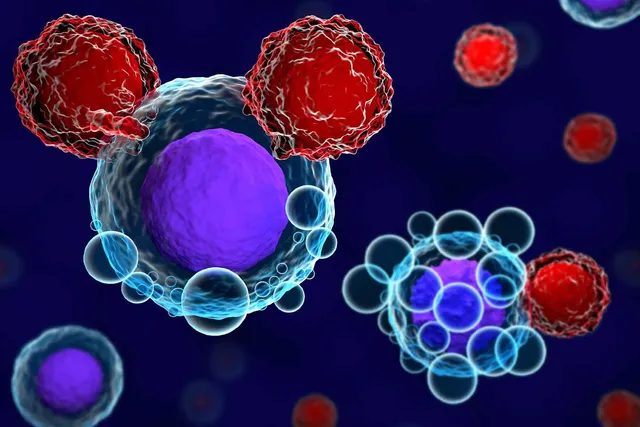
One treatment that you might have for RRMM, or that you might be considering switching to, is CAR T-cell therapy. It uses your immune system to fight myeloma cells. A sample of your white blood cells, including T cells, is sent to a lab, where the cells are treated so that they can recognize and attack myeloma cells. Then the cells are inserted into your body and go after the myeloma cells.
If you’re considering CAR T, here are some questions Mensching recommends asking your provider.
- Is CAR T a therapy that would be effective for me?
- Is there anything that would exclude me from being eligible to receive CAR T treatment?
- Are there important side effects that I need to consider with CAR T? How will these be monitored?
- Is there anything I need to know about supportive care that I might need with this treatment?
- Are there any resources that might help support me with this treatment?
These questions can be useful with other treatment options as well.
Shared Decision-Making
In health care, shared decision making is a collaborative approach that involves patients working with their clinicians to choose the best treatment options. In shared decision making for RRMM, you might discuss the risks and benefits of treatments, your goals of care, your preferences, and what’s important to you.
Deciding on the best treatment for RRMM can be a complex process. Shared decision making can be empowering but also overwhelming for you. So good communication is important.
Sometimes providers may have a hard time managing the effects of RRMM on your physical and mental health, so regular follow-up visits and continuity of care with your team are key.
“[Shared decision making] is even more of a hot topic lately because there's just so many treatment options and patients are more empowered than ever to really be part of their care and to educate themselves and learn,” Mensching says.
Shared decision-making can help you understand your long-term treatment plan, why one particular treatment plan may be better for you than another, and what your treatment might look like in the future.
One survey of RRMM patients found that about half of them engaged in a collaborative and active decision making process about their care.
Your care team
Along with your myeloma specialist, your care team might include oncologists (medical, orthopedic, or radiation), nephrologists, hematologists, nurses, PAs, RNAs, physical and occupational therapists, palliative care providers, and social workers.
“The social worker is an important part of helping to identify resources,” Mensching says. “There's so many different places where cancer impacts the finances of an individual.”
That could mean financial resources for treatment, or even things like paying for utilities. If you have a caregiver, family member, or friend who can help support you, they can be part of your team, too.
“It's an emotional process, especially when it comes to a relapse. And when it's an emotional time, it's difficult to learn — it's difficult to ask questions and advocate for yourself,” she says.
A support person can help you navigate the process. This might mean bringing your support person to appointments, possibly to help take notes or to debrief with that person afterward.
Along with your RRMM treatment, you might consider complementary care, such as physical therapy, counseling, and relaxation techniques such as meditation and yoga.
Patient navigators, such as those at academic centers, can also help. The Multiple Myeloma Research Foundation’s Patient Navigation Center is staffed by clinically trained nurses and provides individualized support. They help patients understand their disease and guide them “to the many resources that are available out there — anything from financial resources to finding support groups, finding a mentor, and getting a myeloma specialist,” Mensching says.
Be Prepared
“We tell patients to go into their doctor’s office with at least two or three questions written down. This sort of invites the doctor to have a more meaningful conversation,” Mensching says.
For example, your questions might include:
- If this therapy is right for me, would that exclude me from another therapy down the road?
- If this is the next recommended step for me, why this one?
- Why not the other one, if they're both equally effective for a relapsed patient?
If your health care center has a messaging system or nurse navigators to help communicate your goals of care or side effects, use them.
You might consider keeping a binder with your labs, notes about side effects, and questions in it, too.
Speak Up
This is your body, so speak up about your goals of care, Mensching says.
You may be uncomfortable talking about some of your side effects. But it’s best to tell your care team about any side effects you may have.
“[Patients] call us and tell us about their side effects, but they say that they don't want to mention it to their doctors because the treatment is working and they literally just want to survive,” Mensching says. “They want to live, so they don't want to compromise a treatment that is effective.”
In such a situation, you may be dealing with side effects like diarrhea, headaches, or fatigue that you think you have to put up with.
“But that’s not the case. There is supportive care for these types of side effects and there are other treatments,” she says.
It’s also important to advocate for yourself. Sometimes, health care providers may make assumptions about which treatment options are available to you, such as assuming that you wouldn’t be able to do CAR T because you don’t have a caregiver.
“I really encourage patients to ask what treatment options are available, including clinical trials,” Mensching says. “Trials are an option, too, and doctors don't always bring this up.”
Throughout your journey with RRMM, talking through your treatment with your care team is essential. And it’s best to avoid rushing into treatment decisions. Treating myeloma is a marathon, not a sprint, she says.
Show Sources
Photo Credit: Maskot/Getty Images
SOURCES:
Erin Mensching, registered nurse, manager, Multiple Myeloma Research Foundation Patient Navigation Center, Norwalk, Conn.
Belgian Journal of Hematology: “PARTNER-project: A model and tools to support shared decision making in relapsed/refractory multiple myeloma (RRMM) treatment.”
BMJ Evidence-Based Medicine: “Shared decision-making as a method of care.”
Frontiers in Medicine: “Treatment preferences of patients with relapsed or refractory multiple myeloma in the United States, United Kingdom, Italy, Germany, France, and Spain: results from a discrete choice experiment.”
International Myeloma Foundation: “Multiple Myeloma Treatment Overview.”
Journal of Clinical Oncology: “The effect of care team-patient relationship on decision-making in relapsed/refractory multiple myeloma.”
Mayo Clinic: “Multiple Myeloma.”
Medical Clinics of North America: “Identifying Goals of Care.”
Multiple Myeloma Research Foundation: “Treatments for Multiple Myeloma.”
Oncology Nursing News: “First relapse in multiple myeloma: the patient perspective.”
StatPearls: “Relapsed and Refractory Multiple Myeloma.”