Acute Myeloid Leukemia Treatment Side Effects

AML Treatment Side Effects
New treatments have improved the outlook for people with acute myeloid leukemia (AML). But any cancer treatment can cause side effects. Which ones affect you depend on the type of medicine you take and how your body reacts to it. If you do have side effects, there are ways to manage them. These are some of the most common AML treatment side effects to watch for and tell your doctor about.

Tiredness
Both AML and its treatments can drain your energy. Fatigue is one of the most common and frustrating side effects of AML treatment. The tiredness should get better with time, but in some people, it lasts for months or longer. Your doctor can check you for treatable conditions like anemia that cause fatigue. Get extra rest to conserve energy. A daily walk or other exercise will also help you feel better.
Hair Loss
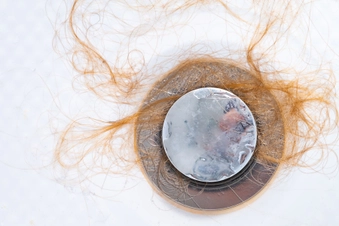
During chemotherapy, it's normal for hair to thin or fall out. That's because chemo drugs attack quickly-dividing cells, which includes cells in your hair follicles. Hair loss is usually temporary. Your hair should start to grow back once you finish treatment. In the meantime, cover your scalp with a hat, scarf, or wig to protect it from the sun. Be gentle with the hair you have left. Use a soft hairbrush and a mild baby shampoo.

Nausea and Vomiting
Stomach upset is a side effect of chemotherapy and, sometimes, radiation therapy. You feel sick because these treatments damage your GI tract. Your doctor can give you anti-nausea medicine before treatment to prevent nausea and vomiting. To manage nausea at home, eat small meals throughout the day instead of three big ones. Drink more water. Avoid spicy and fried foods. And drink ginger ale or ginger tea to settle your stomach.
Changes in Taste and Smell
Chemotherapy and other AML treatments can affect your taste buds and sense of smell. Meals might taste bland or have a bitter, salty, or metallic flavor. Food flavors should return to normal after you stop treatment. Until then, add lemon and spices to make your food taste better. Hide the metallic taste with gum or mints. Ask a cancer dietitian to help you plan meals that suit your tastes and ensure that you get enough nutrients.
Mouth Sores
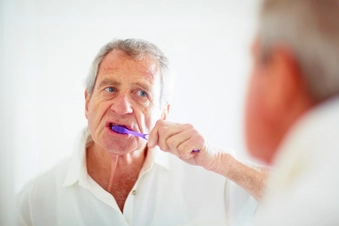
Chemotherapy drugs can damage the lining of your mouth and cause sores. It may hurt to eat and brush your teeth. The sores should heal a few weeks after you finish treatment. For now, pain medicines can make you more comfortable. Keep your mouth clean to prevent infections. Use a soft toothbrush and rinse with a mixture of baking soda or salt and water. Avoid alcohol-based mouthwash because it will irritate your mouth.

Diarrhea or Constipation
Loose poop is another side effect of chemotherapy. Tell your doctor if diarrhea is severe or it lasts more than a few days. Drink extra fluids to prevent dehydration. AML treatment also causes the opposite problem – dry poop that's hard to pass. To relieve constipation, eat more fruits and vegetables and drink lots of water. Your doctor might prescribe a gentle laxative if you still can't go.
Infections
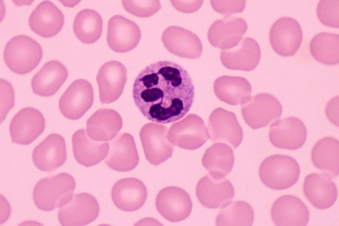
Neutrophils are white blood cells that help your immune system fight germs. AML and its treatments lower neutrophil counts, which increases your risk of infections. Any infection you get could be dangerous when you have cancer. Try to stay away from crowds and avoid anyone who's sick. Tell your doctor if you have symptoms like a fever, sore throat, cough, or muscle aches. Quick treatment can prevent an infection from becoming serious.
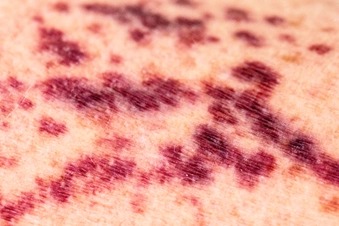
Bruises and Bleeding
AML and its treatments can reduce platelets – cells that help your blood clot. Without them, you bruise and bleed more easily. The lack of platelets makes it harder to stop the bleeding if you cut yourself. You may have more nosebleeds or bleeding gums. Some people get a purple or red rash called purpura when blood vessels leak under the skin. If your platelet count gets too low, you may need a platelet transfusion.


