By Jonathan Guerrero, as told to Evan Starkman
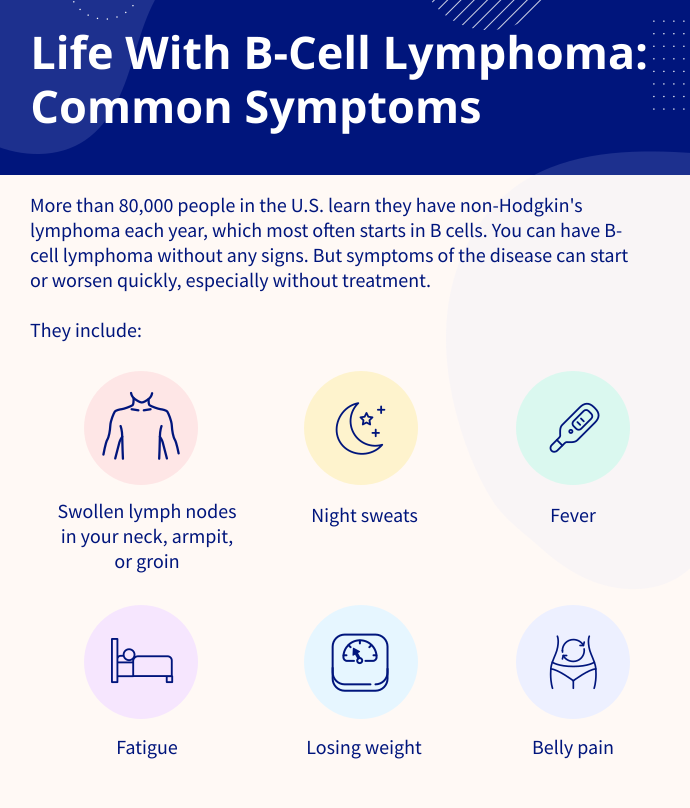
When I was 23 years old, I thought my life was perfect. I was studying for a nursing school, had a good job, a beautiful girlfriend, amazing family and friends. I went traveling everywhere. All of a sudden at the end of 2016, I started feeling dizzy, nauseous, and tired all the time. I also had stomach pain, headaches, and mood swings. I felt altogether unwell, but cancer was the last thing I thought it was.
When the symptoms didn't go away, I went to a local hospital for some scans and tests. They said I had appendicitis, and I went in for emergency surgery for an appendectomy. They took out my appendix before it could rupture (and potentially kill me), and I set a follow-up appointment for two weeks later. One week passed and I felt even worse. I was nauseous, vomiting, and fainting.
At that point, my parents made a difficult decision and removed me from that small hospital. They took me to the best hospital they knew of, which was NewYork-Presbyterian/Columbia in Manhattan.
My new doctors found I had two tumors: one in my brain and one in a lung. They performed a brain biopsy and the results would change my life forever: I was diagnosed with B-cell lymphoma – more specifically, a fast-growing type called diffuse large B-cell lymphoma. I was shocked, because nobody in my family had been diagnosed with cancer. But when I have an issue or concern in life, I've always been the type of person who asks: "OK, how can we find a solution to this?" I am not a complainer.
The Long Road Toward a Solution
I asked my doctor what my options were, and we decided to start with a treatment known as R-CHOP. That involves chemotherapy drugs, a targeted therapy drug, and a steroid medicine. I received chemotherapy every two weeks. During each round of chemo, I had to stay in the hospital for about three or four days. My health care team explained that I needed to wait until my body cleared the chemo drugs before being discharged home. Every time I went back home, I just tried to recover.
Life went on like that for about six months. All my hair fell out. I was tired all the time. I wasn't able to eat many solid foods. Everyone was able to see the gums in my mouth, which seemed bruised. I had to use a little sponge to brush my teeth, because it felt like they were going to fall out when I used a toothbrush. I lost almost 90 pounds during that treatment year, and I basically paused everything else in my life. I had to stop working and couldn't go to school. I wasn't leaving the house much.
After I finished chemotherapy, I got an autologous stem cell transplant. In an autologous stem cell transplant, doctors use your own stem cells to treat the lymphoma. I had to stay in the Bone Marrow Transplant Unit for about a month because my health was so delicate. Still, I tried to do my part to get well, which meant getting up, walking in the hallways of the hospital, trying to move even if I had IV poles connected to my veins all day or if I was tired. I prayed, did my best to remain positive, and I tried not to stay in bed all the time. Thank God for my family. I had the people closest to me – my mom, my dad, cousins, friends – always making sure I had anything I needed. They helped me get through those tough times. Prayer was also one of the things that motivated me to keep going.
How I Found My Purpose as a Survivor
After I completed treatment, my health care team told me that there were no cancer cells in my body anymore. I'd beaten it. Even during the toughest times, I never thought I was going to pass away from cancer. I've always just been a positive person, hoping to continue my life.
The experience was definitely a wake-up call. Before cancer, I was living life, but I didn't really have a purpose. Throughout my treatment, I found out that I wanted to help other cancer patients while they were going through tough times like the ones I went through – brain biopsies, spinal taps, PET scans, CT scans, constipation for weeks. I know what it feels like every day when they're fighting for their life in the cancer unit.
Today, I'm a patient navigator with NewYork-Presbyterian Weill Cornell Medicine. Navigators assess any barriers to access to care that patients may have, such as food insecurity, transportation, home care services, or insurance issues. We provide interventions to help resolve any barriers that are present. I got into this line of work specifically because I was a patient, and I cannot remember receiving these services.
I also learned the hard way that a cancer diagnosis and treatment can cost you more than physically and mentally. By the time I finished treatment, I was in major debt from all the things that my insurance didn't fully cover. I contacted different nonprofit cancer groups for help paying my bills, and that's how I found Blood Cancer United. It's an organization that funds blood cancer research. I've met so many great people through the group, and they've supported my family and me so much.
I've now been volunteering for Blood Cancer United for years, getting involved with communities to raise awareness about B-cell lymphoma and inspire people with my story.
Lifestyle Changes for My Body and Mind
I don't need to take medications anymore, but I still see my oncologist once a year. I've also changed some of my habits, such as eating a more balanced diet. Prior to my cancer, I wasn't even thinking about it. I ate whatever I wanted – hot dogs, hamburgers, junk food. Now, I eat a lot less of that stuff and focus on choosing healthier proteins and salads. I also make fresh juice at home and get more exercise, too.
Just being able to get up from bed every morning is a gift because I went through a time when I wasn't able to move much at all. I appreciate being able to eat something and actually get enjoyment out of it because there were times during chemo when everything tasted like metal. Finding those little joys in life made me a more grateful person than I was before my diagnosis. I'm blessed to have survived cancer and would like to be an example for others that life should not be taken for granted.