
What Are Bruton Tyrosine Kinase (BTK) Inhibitors?
Targeted B-cell inhibitors are drugs used to treat blood cancers, including chronic lymphocytic leukemia (CLL). They stop the growth of abnormal white blood cells called B lymphocytes, or B cells.
Which BTK Inhibitors Are Used to Treat CLL?
The type of targeted B-cell inhibitor that’s used to treat CLL is called a Bruton tyrosine kinase (BTK) inhibitor. There are several approved drugs, each of which attaches to its target in a slightly different way.
How Do BTK Inhibitors Work?
A kinase is a protein that helps send signals telling a cell to grow and stay alive. B cells and other immune cells need the Bruton tyrosine kinase for these processes.
In CLL, cancer cells have too much BTK, and the growth signal is always on. That makes them multiply out of control. A BTK inhibitor attaches to this protein and disables it, blocking the signal and stopping cancer growth.
The targeted B-cell inhibitors each work a bit differently than the others. Ibrutinib acts on other proteins besides BTK, which can cause some serious side effects. Acalabrutinib and zanubrutinib are less likely to go “off-target,” which may make them safer.
Over time, CLL often stops responding to these drugs. Sometimes the BTK protein changes shape (mutates) so the inhibitor can’t hold on the way it needs to. Cancer cells can also find ways to grow that don’t rely on BTK.
If the cancer does stop responding, your doctor may suggest you try pirtobrutinib. It attaches to BTK in a different spot. That means it may work for you when the other drugs don’t.
When Are BTK Inhibitors Prescribed for CLL?
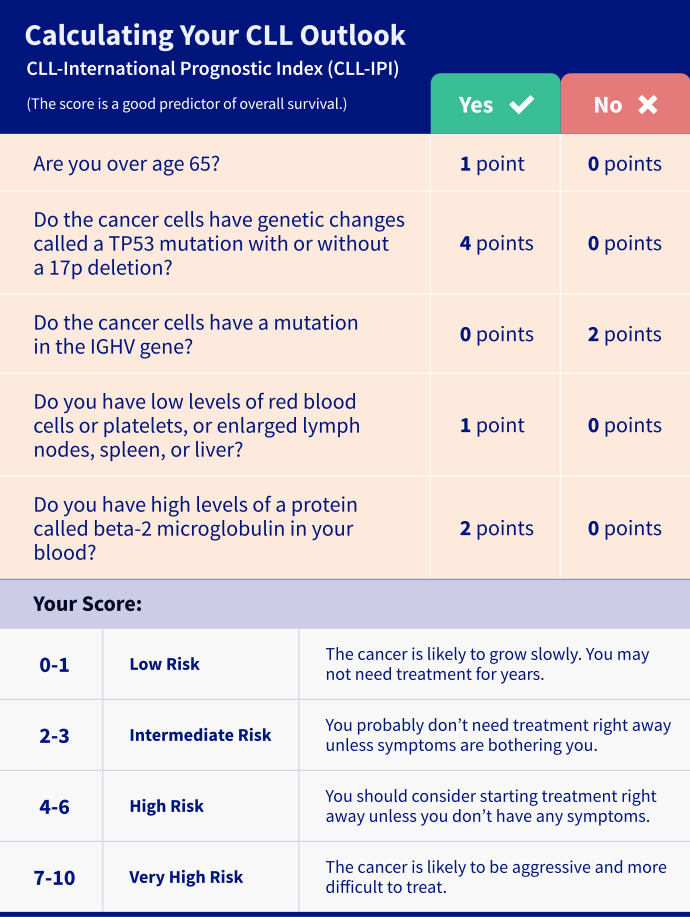
CLL usually grows very slowly, and you can live with it for a long time without having symptoms. Most people don’t get any treatment at all until their level of abnormal B cells gets high enough to cause problems, a plan called “watch and wait.”
When you and your doctor decide it’s time for treatment, a BTK inhibitor is usually first. You might also get one after you’ve tried a different type of CLL treatment.
How Do You Take BTK Inhibitors?
BTK inhibitors are pills you take by mouth either once or twice a day. You’ll take them for the rest of your life unless you have bad side effects or the drugs stop working.
How Effective Are BTK Inhibitors?
Chemotherapy used to be the main treatment for CLL until clinical trials of newer drugs, including BTK inhibitors, showed that they worked better for most people. Here are some of those study results.
Are BTK Inhibitors Safe?
BTK inhibitors are safe for most people, but they can cause some serious problems.
Bleeding or bruising
BTK inhibitors can lower the level of cells in your blood called platelets, which help your blood clot. That can cause unusual bleeding or bruising.
Talk to your doctor about whether it’s safe to take a blood thinner like aspirin or warfarin while you’re taking one of these drugs, and let them know about any supplements you take. You should also be extra careful handling sharp objects and avoid activities where you’re likely to fall.
Increased risk of infection
BTK inhibitors stop the growth of healthy B cells as well as cancerous ones. That weakens your immune system and makes you more likely to get infections.
You might get antibiotics, antivirals, or antifungal drugs while you’re taking one of these medications to help prevent infections. Your doctor will probably recommend you get vaccinated to protect against the flu, COVID-19, pneumococcal pneumonia, RSV, and shingles.
Cardiovascular problems
In some cases, BTK inhibitors can cause serious heart and blood vessel problems, including high blood pressure, an irregular heartbeat, and heart failure. Studies have found that the risk is higher with ibrutinib than with acalabrutinib or zanubrutinib.
Your doctor will check you often for signs of cardiovascular problems.
Second cancers
People taking BTK inhibitors have a higher risk of getting another kind of cancer, especially skin cancer. You’ll need to watch for symptoms and always use sunscreen.
Other common side effects include:
- Diarrhea
- Feeling very tired
- Headache
- Muscle, joint, or bone pain
If you have serious side effects while you’re taking a BTK inhibitor, your doctor may lower your dose, pause your medication for a while, or switch you to a different one.
Who Should Not Take BTK Inhibitors?
If you have heart or blood vessel problems, your doctor will need to watch you closely while you’re taking a BTK inhibitor, or they may recommend a different type of treatment.
BTK inhibitors can cause liver problems for some people. Make sure your doctor knows if you have liver disease. You may need extra testing or a different type of treatment.
How Much Do BTK Inhibitors Cost?
They can be very expensive. The list prices for acalabrutinib, ibrutinib, and zanubrutinib are between $16,000 and $18,000 for a one-month supply, while pirtobrutinib costs about $24,000 for one month.
Medicare prescription drug plans cover these medications, although your cost will depend on your plan and whether you’ve met your deductible. With Medicare Part D prescription coverage, you won’t pay more than $2,000 every year for out-of-pocket drug costs.
There are resources that can make these drugs more affordable. For example, the Patient Access Network Foundation is a private charity that offers financial help to people who qualify. Other options include:
Drugmakers
Drug companies themselves usually have programs to help lower your out-of-pocket costs. You might even be able to get these drugs for free. Plans include:
- Brukinsa: myBeiGene Patient Support Program
- Calquence: AstraZeneca Access 360
- Imbruvica: Imbruvica By Your Side
- Jaypirca: Jaypirca Savings Card
Clinical trials
Consider asking your doctor if a clinical trial might be a good idea. You can help scientists learn more about CLL and come up with new treatment options, and in most cases, you won’t have to pay for the medication being tested.
Sometimes researchers give some people in a clinical trial a fake medicine called a placebo instead of the drug they’re studying. But you’ll know ahead of time whether that’s a possibility. But in cancer research, people taking part in cancer treatment clinical trials usually get the standard treatment or the new treatment. If a placebo is used, they almost always get the standard treatment along with either the new drug or a placebo.
Clinical Trials of BTK Inhibitors for CLL
Clinical trials are important in CLL treatment. While the approved therapies may be able to keep you symptom-free for months or even years, they aren’t cures. A clinical trial can be a good option if you’ve already tried the existing treatments.
In many of the clinical trials taking place now, researchers are working with the BTK inhibitors that are already approved for CLL. They’re studying:
- Which drugs and drug combinations work best
- How well they work for different age groups
- Ways to keep cancer cells from becoming resistant to these drugs
Researchers are also working on new noncovalent BTK inhibitors similar to pirtobrutinib.
Finding a clinical trial
If you’re interested in a clinical trial, talk to your doctor first. They can tell you what type of study might help you and whether it would be safe for you. They may even know about a specific trial you can sign up for.
Other places to get information include:
- Clinicaltrials.gov, a government-run database of studies you can search by condition, type of treatment, and location
- Medical schools, hospitals, or cancer treatment centers in your area
- Drug companies, which usually have contact information on their websites
- Research and support organizations like the Leukemia and Lymphoma Society or the CLL Society
Are BTK Inhibitors for CLL Right for Me?
BTK inhibitors are often the go-to drug for CLL treatment. But there are many things you and your doctor need to consider.