Advice for People Diagnosed With Invasive and Metastatic Bladder Cancer
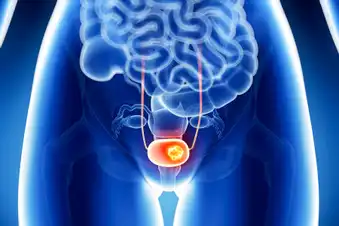
Learn All About Bladder Cancer
When you learn everything you can about your bladder cancer, you’ll know what to expect and how to stay healthy during treatment. To find out more, you can:
- Ask your doctor for more bladder cancer information
- Check out reputable sources about your type of cancer
- Learn about your specific tumor stage
- Ask which treatment options might work for you
- Research symptoms for bladder cancer
Go to All Your Appointments
Bladder cancer can come back again. Going to all your doctor visits and tests can help you stay on track with your treatment plan. Try to:
- Work with your doctor to set up visits and test times that work for you.
- Put your appointments in your calendar right away so you won’t forget.
- Set up reminders using your phone at least a day or week before.

Take Notes During Your Doctor’s Visit
Your doctor might talk about cancer every day, but many of these words may be new to you. Writing things down can help you remember and review the information later. Try to:
- Bring a pen and notepad, or use a notes app on your phone to write down what your doctor says.
- Use your notes to remember things, it can help if your brain gets a little foggy during treatment.
- Record the conversation with your doctor, but ask them for permission first. And make sure you know how to use the record function on your phone.

Bring a List of Questions
Prepare before each appointment and bring your list of questions so you won’t forget them. Keeping track of questions and symptoms in between appointments can help you ask about:
- Treatment options and which ones might be a good fit.
- Treatment side effects and how to cope with them.
- Clinical trials that might be worth considering.
- How treatment might change or impact your daily life.

Bring Someone With You to Appointments
There can be a lot to ask about bladder cancer and listen to when you visit your doctor. Take a friend or family member along to help you. They can:
- Listen and take notes for you
- Review things with you later
- Make sure you didn’t miss anything
It’s also nice to have emotional support when things can get overwhelming.
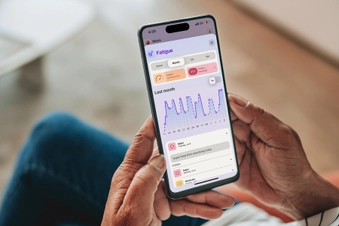
Track Your Symptoms and Any Treatment Side Effects
Keep track of your symptoms and side effects from treatment. This helps your doctor know how well your treatment is working, make any needed medication changes, and if the cancer is coming back. Reach out to your doctor if you have:
- Any sudden changes in your symptoms
- Blood in your pee (urine)
- Burning while peeing
- A feeling like you need to pee more often
- Weight loss or appetite changes
- Lower back pain

Look for support
You don’t have to feel alone when dealing with bladder cancer. Connect with people going through the same thing in support groups and online communities. They understand and can relate to your emotions and physical concerns. Ask your doctor for suggestions or find one on the Bladder Cancer Advocacy Network (BCAN) website.

Give Others a Chance to Help
It can be hard to ask for help, but your family and friends want to be there for you. They just may not be sure what to do. When you reach out, try to suggest specific tasks and ask them to:
- Make meals
- Help around the house
- Drive you to an appointment
- Help with kids or pets
- Come over to talk
- Spend some time with you

Get Plenty of Nutrients and Fiber
There’s no specific diet for bladder cancer. But good nutrition can help during your treatment and recovery.
Try focusing on a plant-based diet with lots of fruits, vegetables, and whole grains to lower inflammation. Adding in high-fiber foods can help with digestive concerns from treatment side effects.

Stay Active
Some days you might not feel like moving, but staying active can really help with your energy and recovery. Getting as little as 30 minutes of activity each day — even something as simple as brisk walking — can help you:
- Ease inflammation
- Maintain your weight goal
- Improve your mood
- Sleep better
Get Help to Stop Smoking
If you smoke, ask your doctor about quitting. Smoking is one of the biggest risks for bladder cancer. But stopping or even cutting down can help lower the risk of your cancer coming back.
Quitting can be hard, but it’s so important. Ask your doctor for advice and if you might benefit from ways to quit such as:
- Prescription medication
- Patches
- Counseling programs
Ease Stress
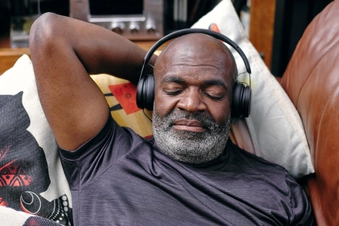
It’s natural to be stressed, especially after finding out about bladder cancer. Your emotions might ping-pong between sadness and anger, anxiety and fear. To find ways that help you relax and ease stress, consider:
- Meditation
- Yoga
- Journaling
- A walk in nature
- Listening to music
- Watching a funny movie
- Taking a tai chi class
- Getting together with friends
Do whatever makes you feel less stressed.


