Of all the times in life to be diagnosed with a mental health condition, I was diagnosed with mine while in grad school to get a master’s in counseling.
Some of my coursework was actually what helped me realize the low lows and high highs weren’t things I needed to control on my own – they were things I could get medical and social support for.
I’d been diagnosed with depression in college, but new symptoms and high highs started happening in grad school. When my doctor confirmed I had bipolar type II, I was terrified. I’d heard such negative things about bipolar disorder, but he helped me understand that medicine and other supports could help me feel like myself again. (Spoiler alert: He was right!)
I let my counseling professors know about the diagnosis change because it also meant a medication change that would come with some physical side effects that could cause me to miss a class or two. I emailed them about it, letting them know I had a plan to catch up on notes and that they shouldn’t worry. One of them responded the next day and invited me to join a faculty meeting. I thought that was a wonderful idea and that they wanted to check in with me to see how they could support me in the adjustment.
Instead, they told me they thought I should withdraw from the program because they were worried I would not be effective in the field. In the meeting, they even admitted they hadn’t observed anything worrisome in class or with my work, but that this confirmed worries they’d had about me since I disclosed I’d dealt with depression and suicidality during my interview. This was the first time I was hearing about those worries.
Long story short, forcing someone to leave an education program because of a medical diagnosis is against the law. I ended up graduating and going on to be a counselor in a high school and then, later, a speaker and writer.
Stigma exists, and it has power. But through this experience, I learned that standing up for myself had power, too. Also, that I can go after any dream I want to; I just need to make sure I’m taking care of myself the way my diagnosis needs me to. It’s part of me, just like all the other parts of me.
Stigma is tricky because it thrives on preconceived notions. The way we change that? I like to think sharing our stories helps. That’s exactly why I share mine.
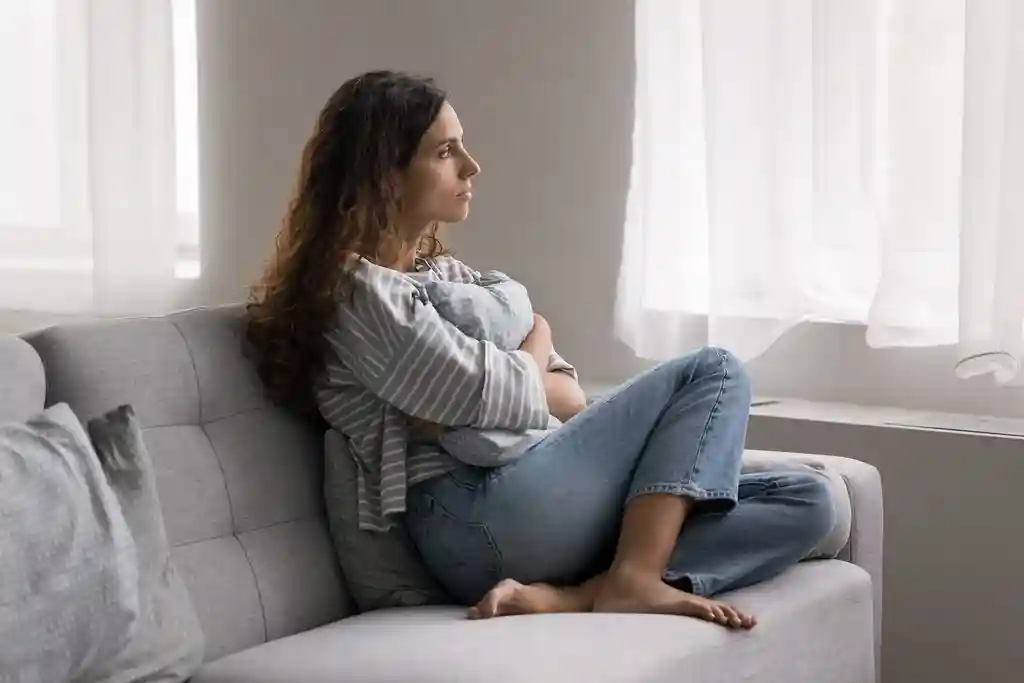
Photo Credit: fizkes/Shutterstock
Tell us what you think of this post


reactions